Welcome to Business Bites, the blog where food meets business strategy and where every bite tells a story about what makes the biggest restaurant chains tick. If you’ve ever wondered why some brands grow from a single local spot to worldwide icons, or how your favorite fast-food chains keep millions coming back for more, you’re in the right place.
This series digs beneath the surface of menus and marketing campaigns to uncover the smart business moves that helped these chains rise to the top. From franchising and supply chain magic to digital innovation and cultural adaptation, I’ll break down the strategies that turn burgers, tacos, and chicken sandwiches into multi-billion-dollar empires. Plus, I’ll share my personal favorite menu picks to prove the food’s worth all the hype.
Each post focuses on one restaurant, exploring what makes it unique, how it grew, and the lessons it offers for anyone curious about business — whether you’re a student, a future entrepreneur, or just a foodie who loves a good story.
Today’s spotlight? The fast-food giant famous for late-night cravings, bold flavors, and some of the most creative marketing in the industry: Taco Bell.
Part 3 – Taco Bell
Whether you’re stopping by after a football game, grabbing a quick lunch, or satisfying a midnight craving, Taco Bell has become a cultural phenomenon. Behind the Crunchwraps and Doritos tacos is a business strategy built on innovation, affordability, and a willingness to think differently than almost every other fast-food chain.
The Path to a Taco Empire
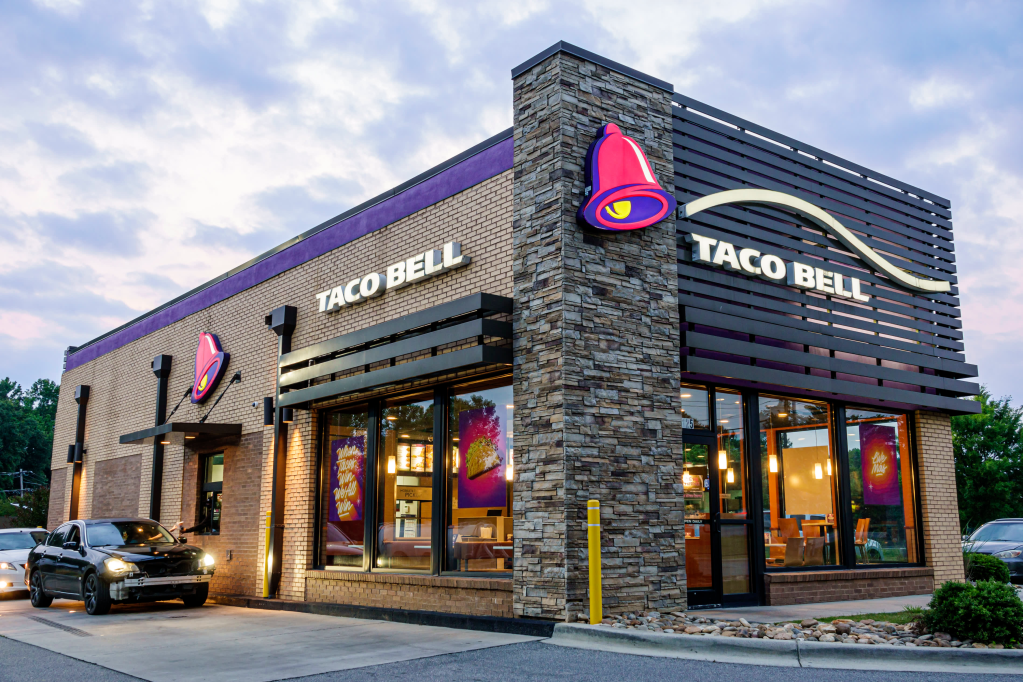
The story of Taco Bell begins in 1962 when founder Glen Bell opened the first Taco Bell restaurant in Downey, California. After observing the popularity of Mexican food at local restaurants, Bell saw an opportunity to bring tacos to a wider audience through a fast-food format.
Unlike many competitors that focused heavily on burgers and fries, Taco Bell built its identity around Mexican-inspired food that could be prepared quickly, efficiently, and at a low cost. The concept resonated with consumers looking for something different from traditional fast food.
Growth accelerated rapidly through franchising, and by the late 1970s Taco Bell had become one of America’s fastest-growing restaurant chains. Today, Taco Bell operates more than 8,500 restaurants worldwide and serves millions of customers every week.
The company is part of Yum! Brands, which also owns KFC and Pizza Hut. Yet despite sharing a parent company, Taco Bell has developed one of the most unique brand identities in the restaurant industry.
My Go To Order
When diving into a business, you’ve got to taste the product, right? Here’s what I actually order (and recommend) at Taco Bell — each with its own role in the brand’s success:
- When diving into a business, you’ve got to taste the product, right? Here’s what I actually order (and recommend) at Taco Bell — each with its own role in the brand’s success:
- Crunchwrap Supreme: Perhaps Taco Bell’s most iconic innovation. By combining multiple textures into a portable format, Taco Bell created a menu item that competitors struggled to replicate. It showcases how product innovation can become a competitive advantage.
- Doritos Locos Tacos: One of the most successful fast-food product launches ever. By partnering with Doritos, Taco Bell transformed a simple taco into a cultural event. It’s a perfect example of leveraging another powerful brand to generate excitement and sales.
- Chicken Quesadilla: A fan favorite that demonstrates Taco Bell’s ability to offer familiar comfort food while maintaining operational simplicity. The ingredients overlap with many other menu items, improving efficiency.
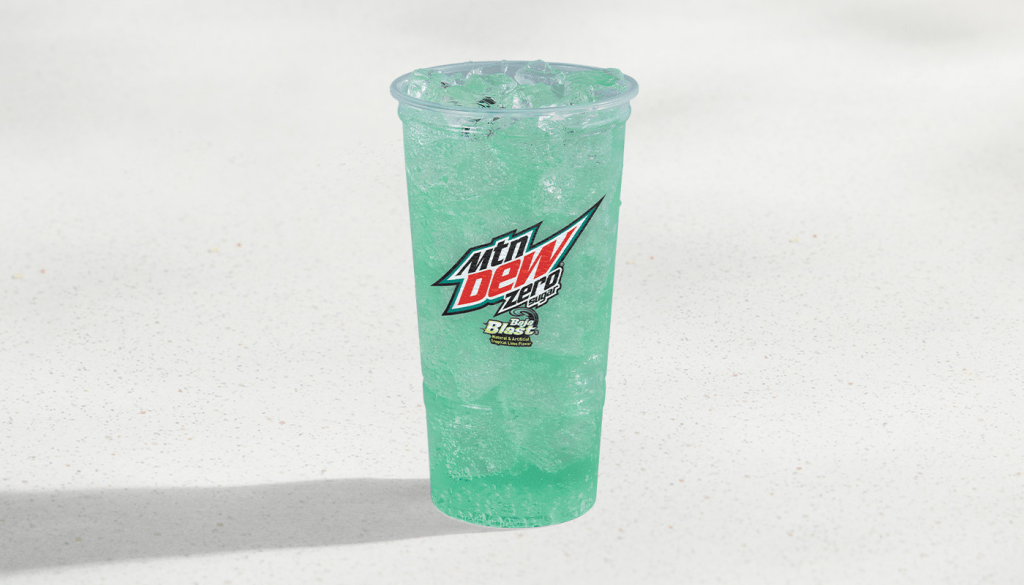
- Baja Blast: Originally created exclusively for Taco Bell, Mountain Dew Baja Blast became one of the most successful restaurant-exclusive beverages in history. It helps create a unique experience customers can’t easily find elsewhere.
The Business Strategies Behind the Billions
Menu Innovation Without Complexity
One of Taco Bell’s greatest strengths is its ability to constantly introduce new products without dramatically changing its operations. Many new menu items use the same core ingredients—beef, chicken, tortillas, cheese, lettuce, and sauces—but are assembled in different ways.
This allows Taco Bell to appear innovative while keeping food costs, inventory management, and employee training relatively simple.
Mastering Value Pricing
Taco Bell has long positioned itself as one of the most affordable options in fast food. Its value menus attract students, families, and budget-conscious consumers looking to maximize what they can get for their money.
Even during periods of inflation, Taco Bell has worked hard to maintain a reputation for affordability, helping it attract customers across multiple economic environments.
Marketing That Creates Buzz
Few restaurant brands understand marketing as well as Taco Bell. The company frequently creates viral campaigns, limited-time offers, celebrity partnerships, and social media promotions that keep the brand constantly in the conversation.
Whether introducing a new menu item or bringing back a fan favorite, Taco Bell turns product launches into events. This strategy generates free publicity and keeps customers engaged.
Franchising for Rapid Growth
Like many successful restaurant chains, Taco Bell relies heavily on franchising. Franchise operators provide capital and local market expertise, allowing the company to expand much faster than if it owned every restaurant itself.
This asset-light growth model helped Taco Bell scale across the United States and internationally while maintaining strong brand consistency.
Digital Ordering and Loyalty Programs
Taco Bell has invested heavily in its mobile app, rewards program, and digital ordering platforms. Customers can customize orders, earn rewards points, and access exclusive menu items through the app.
These digital channels not only improve convenience but also provide valuable customer data that helps Taco Bell better understand consumer preferences and purchasing behavior.
Understanding Its Audience
Perhaps Taco Bell’s biggest advantage is how well it understands its target market. The brand embraces humor, pop culture, social media trends, and late-night dining in ways that feel authentic to younger consumers.
Rather than trying to appeal equally to everyone, Taco Bell has built a strong identity that resonates deeply with its core audience.
Lessons From Taco Bell for Aspiring Entreprenuers
Strategy | What It Teaches |
|---|---|
| Menu Innovation | Create new experiences without reinventing your entire operation |
| Value Pricing | Affordability can be a powerful competitive advantage |
| Creative Marketing | Great marketing can turn products into cultural moments |
| Knowing Your Audience | Deep customer understanding creates stronger brands |
Final Thoughts
Taco Bell’s success demonstrates that innovation isn’t always about inventing something completely new. Sometimes it’s about reimagining familiar ingredients, understanding your audience better than competitors, and creating experiences customers want to talk about.
By combining affordable prices, clever marketing, operational efficiency, and constant product innovation, Taco Bell has built one of the most recognizable and successful restaurant brands in the world.
Taco Bell is more than just tacos and burritos — it’s a masterclass in branding, innovation, and customer engagement. Its ability to stay relevant across generations while maintaining operational simplicity offers valuable lessons for entrepreneurs in every industry.
Up next on Business Bites: In-N-Out Burger — the California icon that built a cult following without franchising, without a massive menu, and without chasing rapid expansion. We’ll explore how simplicity, quality control, employee investment, and disciplined growth helped turn a small family-owned burger stand into one of the most respected brands in the restaurant industry. Until then, keep your appetite sharp — for both food and business insights.
Want more bites of business?
Subscribe to get every new post delivered straight to your inbox.
Sources
- Taco Bell History & Timeline – Taco Bell CorporateYum! Brands Annual Report 2024 – Yum! Brands
- Investor RelationsTaco Bell’s Marketing Strategy Explained – Restaurant Business OnlineHow Taco
- Bell Became a Fast-Food Innovation Leader – QSR MagazineTaco Bell Revenue and Restaurant
- Statistics – Statista Research DepartmentWhy Taco Bell Continues to Win With Young
- Consumers – Forbes ContributorsHow Taco Bell Built Its Digital Ordering Ecosystem – CNBC
- Retail & Restaurants CoverageTaco Bell Fact Sheet – Taco Bell Corporate Communications
 Business Bites
Leave a comment