By Sathvik Alla
Welcome to Business Bites, the blog where food meets business strategy — and where every bite tells a story about what makes the biggest restaurant chains tick. If you’ve ever wondered why some brands grow from a single local spot to worldwide icons, or how your favorite fast-food chains keep millions coming back for more, you’re in the right place.
This series digs beneath the surface of menus and marketing campaigns to uncover the smart business moves that helped these chains rise to the top. From franchising and supply chain magic to digital innovation and cultural adaptation, I’ll break down the strategies that turn burgers, tacos, and chicken sandwiches into multi-billion-dollar empires. Plus, I’ll share my personal favorite menu picks to prove the food’s worth all the hype.
Each post focuses on one restaurant, exploring what makes it unique, how it grew, and the lessons it offers for anyone curious about business — whether you’re a student, future entrepreneur, or just a foodie who loves a good story.
Today’s spotlight? The original king of fast food — the one with the golden arches that almost everyone recognizes: McDonald’s.
Part 1 – McDonald’s
Whether you grew up craving Big Macs or just love their fries, McDonald’s is everywhere. But beyond the red and yellow branding and mouthwatering menu is a masterclass in business strategy, innovation, and relentless efficiency that turned a small California burger stand into a global empire.
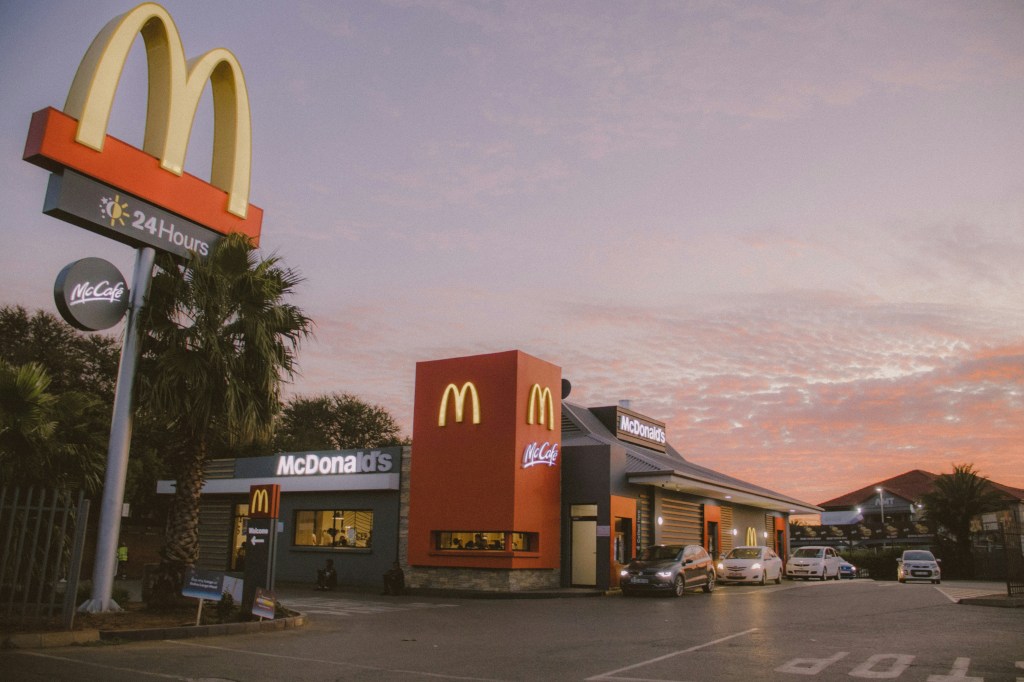
From Milkshake Machines to a Billion-Dollar Empire
The story begins in 1940 with the McDonald brothers opening a barbecue restaurant in San Bernardino, California. They later revamped it into a simple, speedy burger joint with an assembly-line style kitchen — revolutionary for the time. But it was Ray Kroc, a traveling salesman who sold milkshake machines, who saw the potential to turn this local hit into a worldwide phenomenon.
Kroc joined as a franchise agent in 1954, and his vision was all about systems — not just selling burgers but replicating the exact process, quality, and experience everywhere. His aggressive franchising and insistence on operational consistency led McDonald’s to grow explosively. Today, the brand operates over 40,000 locations in more than 100 countries, serving nearly 70 million customers daily.
The tale of Kroc and McDonald’s is so legendary it inspired the 2016 film The Founder (Must Watch by the Way) , which captures the gritty business hustle behind those golden arches.
My Go To Order
- McChicken Sandwich – This crispy, breaded chicken sandwich is a classic that’s been around since 1980. It’s simple, affordable, and offers a tasty alternative to beef. The McChicken’s popularity helped McDonald’s expand its chicken options and appeal to customers looking for lighter or different protein choices.
- Chicken McNuggets – Invented by McDonald’s chef René Arend, these bite-sized pieces revolutionized fast food snacks. Nuggets became a cultural staple and a huge revenue driver — especially with a variety of dipping sauces. Bonus points if you’re a buffalo fan (definitely the best sauce on the menu).
- Oreo McFlurry – This creamy dessert combines vanilla soft serve with crushed Oreo cookies, creating a sweet treat that’s been a fan favorite since it launched in 1995. The McFlurry line showcases McDonald’s ability to innovate beyond savory items and keep customers coming back for dessert.
The Business Strategies Behind the Billions
Franchising: The Growth Engine
One of McDonald’s smartest moves was to grow through franchising. Instead of McDonald’s owning every single restaurant — which would have required massive capital and management — they sold the rights to open and operate restaurants to franchisees. These franchise owners invest their own money, run the day-to-day operations, and pay McDonald’s fees and royalties.
This model allowed McDonald’s to expand rapidly without burning through its own cash reserves. The company provided franchisees with detailed manuals, training programs, and strict standards to ensure every burger and fry tasted the same, whether you’re in New York or New Delhi. This systemized approach guaranteed brand consistency and high quality, which built customer trust worldwide.
Today, more than 93% of McDonald’s restaurants are franchise-owned, making franchising the backbone of their explosive
Cost Leadership: Winning by Being Efficient
McDonald’s became a global leader by mastering cost leadership — meaning they focus on keeping costs low while delivering consistent, quality products. Their assembly-line style kitchen setup, standardized ingredients, and bulk purchasing agreements allowed them to drastically cut costs.
By optimizing every step — from sourcing potatoes to cooking fries — McDonald’s achieves economies of scale that few competitors can match. These savings let them offer affordable menu items, value meals, and promotions that attract price-conscious customers without sacrificing profitability.
This relentless focus on operational efficiency turned McDonald’s into a powerhouse that could undercut many local competitors and dominate fast food markets globally.
Digital Innovation: Tech That Keeps Customers Coming Back
Recognizing the growing importance of technology in customer experience, McDonald’s embraced digital transformation early. From installing self-service kiosks that reduce wait times to launching a robust mobile app with easy ordering and loyalty rewards, McDonald’s leverages tech to boost convenience and engagement.
They even use AI-powered menu boards that dynamically change based on weather, time of day, or trending items — making it easier to upsell and customize orders. Plus, their app collects valuable data on customer preferences, enabling targeted promotions that increase sales and customer loyalty.
This smart use of technology keeps McDonald’s competitive in an increasingly digital world and appeals especially to younger, tech-savvy consumers.
Menu Innovation: Limited-Time Offers & Strategic Buzz
McDonald’s knows how to keep the menu fresh without overwhelming customers. They regularly introduce limited-time offers (LTOs) like the McRib or special flavored shakes, which generate excitement, social media buzz, and urgency to visit.
These LTOs also allow McDonald’s to test new products without permanently committing to them, minimizing risk while responding to customer trends. The recent surprise return of the Snack Wrap — a nostalgic favorite — caused a sharp spike in store visits, proving how nostalgia combined with smart marketing can drive traffic.
By balancing core favorites with trendy, temporary options, McDonald’s keeps the brand relevant and customers curious.
Global Meets Local: Customization Without Compromise
While McDonald’s core menu is consistent worldwide — think Big Macs and fries — they also understand that tastes differ by culture. To appeal to diverse markets, McDonald’s offers localized items that cater to regional preferences.
Examples include the McAloo Tikki burger in India (a spicy potato patty perfect for a largely vegetarian market), Teriyaki burgers in Japan, and unique sauces or side dishes adapted for local palates.
This approach helps McDonald’s connect emotionally with customers across cultures while maintaining their recognizable brand identity. Striking this balance between global consistency and local adaptation is a big reason for their sustained international success.
Lessons from McDonald’s for Aspiring Entrepreneurs
| Strategy | What it Teaches |
|---|---|
| Franchising | Scale fast by empowering local owners with systems |
| Cost Leadership | Efficiency and supply chain influence value |
| Digital Engagement | Tech isn’t just trendy — it builds loyalty and convenience |
| Menu Innovation | Limited-time offers keep customers curious and engaged |
| Global Adaptation | Localize smartly while keeping your core identity |
McDonald’s is much more than a fast-food giant — it’s a case study in operational excellence, smart scaling, and constant reinvention. Its vision turned a burger stand into a global brand that still influences business students and entrepreneurs worldwide.
Up next on Business Bites: Chick‑fil‑A, where chicken, kindness, and waffle fries reign supreme. I’ll dive into how values-driven marketing and famously friendly staff built one of the most loyal customer bases in the game — all while staying closed on Sundays.
Until then, keep your appetite sharp — for both food and business insights.
Want more bites of business?
Subscribe to get every new post delivered straight to your inbox — fresh insights every Friday and occasionally on Tuesdays.
Sources
- Investopedia. “McDonald’s: A Look Back.” 2025. https://www.investopedia.com/financial-edge/0410/mcdonalds-a-look-back.aspx
- Young Urban Project. “McDonald’s Case Study.” https://www.youngurbanproject.com/mcdonalds-case-study/
- MK Toolbox Suite. “McDonald’s Cost Leadership Strategy.” https://mktoolboxsuite.com/mcdonalds-cost-leadership-strategy/
- The Sun. “Inside Story: McDonald’s Snack Wrap & Chicken Wars.” https://www.the-sun.com/money/14881374/inside-story-mcdonalds-snack-wrap-chicken-wars/
- Wikipedia. “René Arend.” https://en.wikipedia.org/wiki/Ren%C3%A9_Arend
- McDonald’s Official Site. “Our History.” https://www.mcdonalds.com/us/en-us/about-us/our-history.html
- McDonald’s Official Menu. “McFlurry with Oreo Cookies.” https://www.mcdonalds.com/us/en-us/product/mcflurry-with-oreo-cookies.html
- NY Post – https://nypost.com/2024/05/07/lifestyle/heres-how-many-mcdonalds-there-are-in-the-world-and-the-countries-where-you-wont-find-one/

 Business Bites
Leave a reply to Vijaya Cancel reply