Welcome to Business Bites, the blog where food meets business strategy, and where every bite tells a story about what makes the biggest restaurant chains tick. If you’ve ever wondered why some restaurants become household names while others remain local favorites, you’re in the right place.
This series explores the decisions that transformed small restaurants into billion-dollar businesses. Every company has a unique story, and each one offers lessons in leadership, marketing, operations, and growth. Along the way, I’ll also share some of my favorite menu items because understanding the product is just as important as understanding the business behind it.
Today’s spotlight is on one of the fastest-growing beverage chains in America: Dutch Bros.
Part 24 – Dutch Bros
A decade ago, most people outside the western United States had probably never heard of Dutch Bros.
Today, that is changing quickly.
The company has become one of the most talked-about beverage brands in the country. New store openings often attract long lines, investors closely follow its expansion plans, and customers seem to have a level of enthusiasm that goes far beyond simply liking coffee.
What makes Dutch Bros particularly interesting is that it has achieved this growth while competing against giants like Starbucks and Dunkin’.
Rather than trying to imitate those companies, Dutch Bros built something entirely different. The company focused heavily on company culture, customer relationships, speed, and energy. In many ways, it feels less like a coffee chain and more like a lifestyle brand.
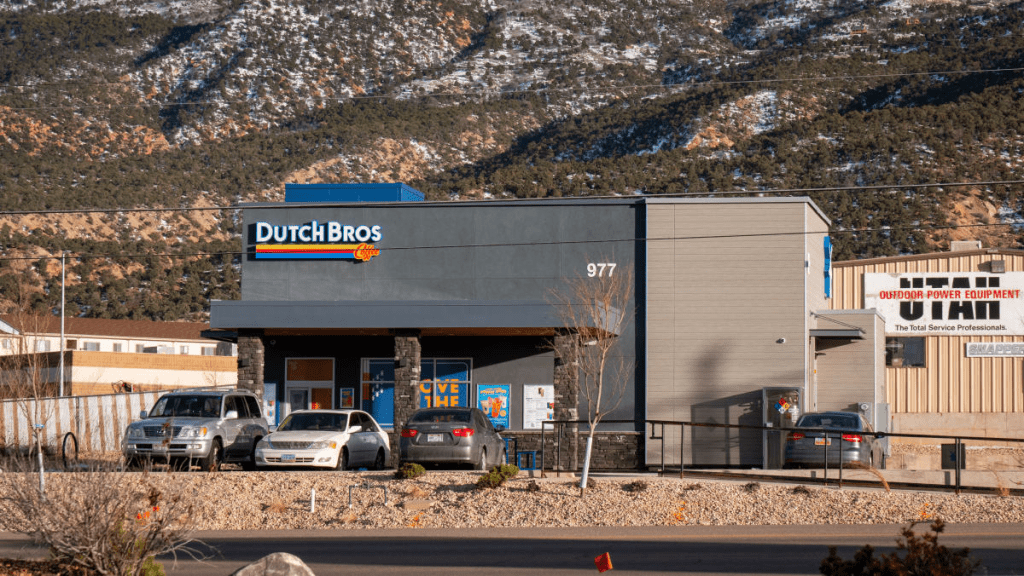
From a Dairy Farm to a Coffee Empire
Dutch Bros was founded in 1992 by brothers Dane and Travis Boersma in Grants Pass, Oregon.
Interestingly, the brothers originally came from a dairy farming family. When milk prices declined and the family business became increasingly difficult, they decided to pursue a different opportunity and began selling espresso from a pushcart.
The original operation was incredibly simple, but the brothers quickly realized that customer interactions were just as important as the drinks themselves. They focused heavily on building relationships within the community and creating an energetic atmosphere that encouraged people to return.
As the company expanded, these same values remained central to the business.
Today, Dutch Bros operates hundreds of locations across the United States and continues opening stores at an impressive pace. What I found particularly interesting while researching the company is how much emphasis leadership still places on maintaining culture during expansion. Many companies struggle with this as they grow larger, making Dutch Bros’ continued focus on culture especially noteworthy.
My Go-To Order
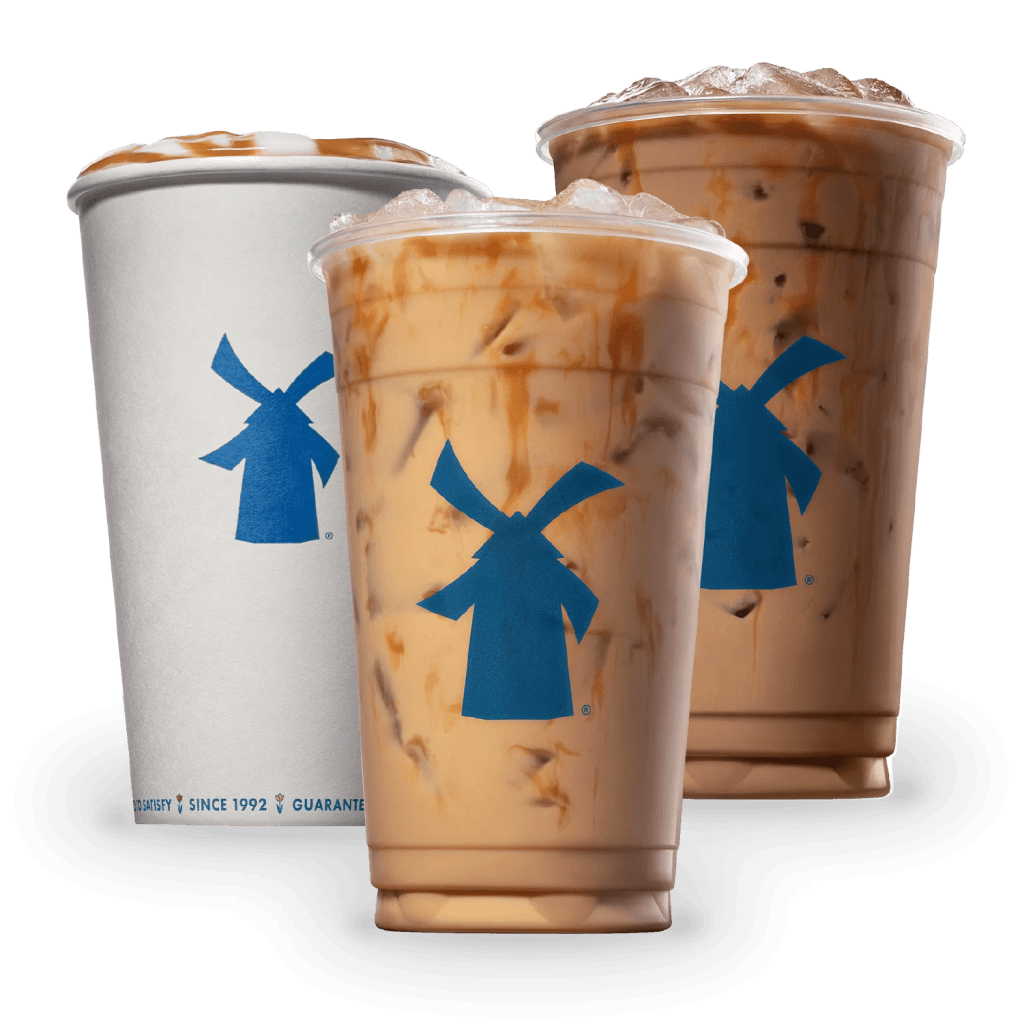
When diving into a business, you’ve got to taste the product, right? Here are the items I usually order from Dutch Bros and why I think they’ve become customer favorites.
Golden Eagle: This is probably the drink most associated with Dutch Bros. The combination of vanilla and caramel is simple but incredibly popular, helping make it one of the company’s signature products.
Strawberry Horchata Chai: One thing I like about Dutch Bros is how creative the menu feels. Drinks like this give customers reasons to continue trying new products.
Dutch Frost: Products like these help the company appeal to customers who may not even drink coffee, significantly expanding the potential customer base.
Muffin Tops: Smaller food offerings complement the beverage business without adding excessive operational complexity.
The Business Behind the Billions
Building an Extremely Strong Company Culture
One of the biggest reasons for Dutch Bros’ success has been its culture. Customers often mention the friendliness and energy of employees almost as much as they mention the drinks themselves, which is fairly unusual in the beverage industry.
From its early days, the company emphasized hiring people who genuinely fit the brand’s personality. Employees are encouraged to be energetic, create conversations, and make customer interactions feel personal rather than transactional. Over time, these small interactions have become one of the defining characteristics of the company.
This focus on culture has created an experience that competitors struggle to replicate. Similar drinks can be introduced relatively quickly, but strong cultures and customer relationships often take years to build.
For entrepreneurs, this is an important lesson because culture affects much more than employee satisfaction. It influences customer loyalty, word-of-mouth marketing, and long-term brand perception.
Turning Customer Experience Into a Differentiator
Coffee is one of the most competitive industries in the world. Consumers have countless choices ranging from local coffee shops to major national chains.
Because of this competition, Dutch Bros could not rely solely on the product itself. Instead, it focused heavily on creating an enjoyable and memorable experience.
Many customers visit Dutch Bros because they appreciate the atmosphere and interactions just as much as the beverages. This creates a stronger emotional connection with the brand and encourages repeat visits.
Experiences are often more difficult to copy than products. Competitors can introduce similar menu items, but recreating years of customer relationships and brand culture is significantly harder.
This demonstrates an important principle in business: sometimes the experience surrounding a product can become just as valuable as the product itself.
Using Menu Innovation to Drive Repeat Visits
Another major reason for Dutch Bros’ growth has been its ability to continually introduce new products.
The company frequently launches seasonal beverages, limited-time offerings, and creative flavor combinations that generate excitement among customers. These products often perform particularly well on social media, where customers enjoy sharing recommendations and reviews.
This constant innovation gives consumers reasons to keep returning. Instead of only visiting for a standard coffee order, customers may return specifically to try a new drink.
Dutch Bros has also expanded far beyond traditional coffee by offering energy drinks, teas, lemonades, and frozen beverages. This diversification allows the company to appeal to a much broader audience.
By creating multiple reasons for consumers to engage with the brand, Dutch Bros has strengthened both customer loyalty and long-term growth potential.
Focusing on Efficient Store Formats
One of the more underrated aspects of Dutch Bros’ business model is its operating strategy.
Many locations rely heavily on relatively small store footprints and drive-thru service. Smaller locations generally require lower construction costs and can often be opened more efficiently than larger café-style formats.
The drive-thru model also aligns well with changing consumer preferences. Convenience and speed have become increasingly important, particularly among commuters and younger consumers.
This operating model allows Dutch Bros to serve large volumes of customers while maintaining efficient operations. Small improvements in speed and throughput can become extremely valuable when multiplied across hundreds of stores.
Operational decisions like these often receive less attention than products or marketing campaigns, but they frequently play a major role in determining profitability.
Growing While Preserving the Brand
Rapid expansion creates enormous opportunities, but it also introduces significant challenges.
As companies become larger, maintaining consistency and culture becomes increasingly difficult. Many businesses lose some of the qualities that originally made customers love the brand.
Dutch Bros appears highly aware of this risk and frequently emphasizes preserving its culture while continuing to expand.
Future success will depend not only on opening new locations but also on ensuring that customers in entirely new markets experience the same energy and customer interactions that helped build the company’s reputation.
If Dutch Bros can successfully balance rapid growth with authenticity, it may have one of the longest runways for expansion in the beverage industry.
Lessons From Dutch Bros for Aspiring Entrepreneurs
Strategy | What It Teaches |
|---|---|
| Company Culture | Strong cultures can become powerful competitive advantages |
| Customer Experience | Experiences can differentiate products in crowded markets |
| Innovation | New products create excitement and encourage repeat visits |
| Operational Efficiency | Small operational advantages compound over time |
Final Thoughts
Dutch Bros’ story is a reminder that businesses do not always need revolutionary products to become successful.
Coffee has existed for centuries, yet Dutch Bros still managed to build one of the fastest-growing beverage companies in America.
What I find particularly interesting is that much of this success comes down to people.
The company invested heavily in culture, relationships, and customer experiences. Those investments helped create a loyal customer base that genuinely enjoys interacting with the brand.
For entrepreneurs, there is an important lesson here: products matter, but relationships matter just as much.
Sometimes the strongest businesses are not necessarily the ones with the biggest budgets or the most advanced technology. They are the companies that consistently create positive experiences and build meaningful connections with customers.
Want more bites of business?
Subscribe to get every new post delivered straight to your inbox.
Sources:
- Our Story – Dutch Bros Official Website
- Dutch Bros Investor Relations and Annual Reports
- How Dutch Bros Built Its Culture-Driven Brand – Restaurant Business Online
- Dutch Bros’ Growth Strategy and Expansion Plans – QSR Magazine
- Dutch Bros Statistics and Industry Data – Statista Research Department
- The Story Behind Dutch Bros’ Rise – Forbes Contributors
- How Dutch Bros Went From a Pushcart to a Public Company – Entrepreneur Magazine
- Dutch Bros and the Future of Beverage Chains – CNBC Restaurants Coverage
 Business Bites
Leave a comment