Welcome to Business Bites, the blog where food meets business strategy, and where every bite tells a story about what makes the biggest restaurant chains tick. If you’ve ever wondered why some restaurants become household names while others remain local favorites, you’re in the right place.
This series explores the decisions that transformed small restaurants into billion-dollar businesses. Every company has a unique story, and each one offers lessons in leadership, marketing, operations, and growth. Along the way, I’ll also share some of my favorite menu items because understanding the product is just as important as understanding the business behind it.
Today’s spotlight is on one of the fastest-growing fast-casual restaurant chains in America: CAVA.
Part 26 – CAVA
A little over a decade ago, most Americans had never heard of CAVA. Today, however, the company has become one of the biggest names in fast-casual dining and is often referred to as the “Mediterranean Chipotle.”
What makes CAVA particularly interesting is that it did not invent Mediterranean food. Instead, it found a way to make Mediterranean cuisine accessible, customizable, and scalable for the average consumer.
By combining health trends, operational efficiency, and smart expansion strategies, CAVA transformed itself from a small regional restaurant into a publicly traded company worth billions of dollars. Its rise offers valuable lessons about adapting to changing consumer preferences, building a strong brand, and scaling efficiently.
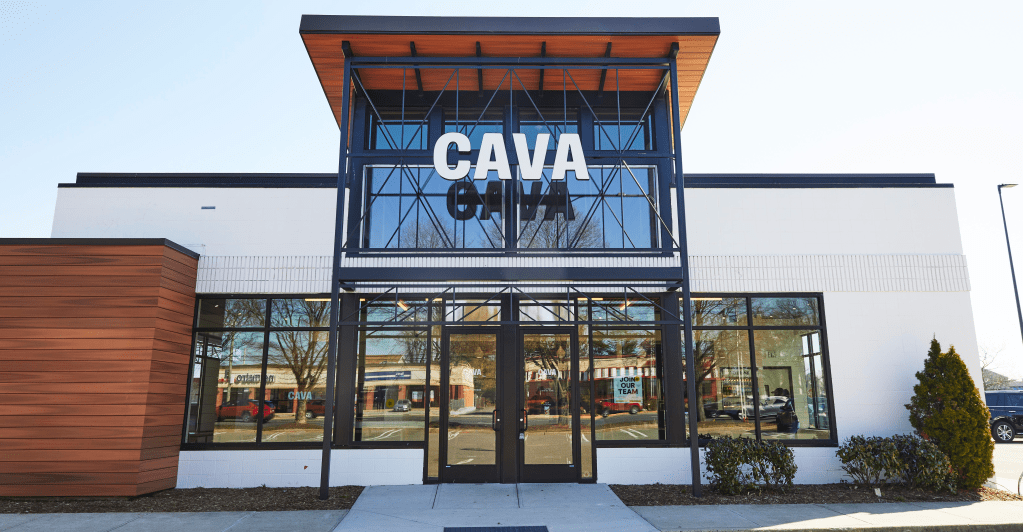
From a Small Mediterranean Restaurant to Wall Street’s New Favorite Restaurant Stock
CAVA’s story began in 2010 when childhood friends Ted Xenohristos, Ike Grigoropoulos, and Dimitri Moshovitis opened their first restaurant in Rockville, Maryland. Growing up in Greek families, the founders were surrounded by Mediterranean cuisine and wanted to introduce these flavors to a broader audience.
Initially, CAVA operated as a traditional full-service restaurant. However, the founders quickly noticed a major shift taking place within the restaurant industry. Consumers increasingly wanted meals that were healthier, more customizable, and made with fresher ingredients. Recognizing this trend early proved to be one of the company’s greatest strengths.
As a result, CAVA gradually transitioned toward a fast-casual model similar to Chipotle’s assembly-line system. Customers could build their own bowls and pitas using various proteins, toppings, and sauces, creating a dining experience that felt both convenient and personalized.
One of the most important moments in the company’s history occurred in 2018 when CAVA acquired Zoës Kitchen for approximately $300 million. Rather than slowly opening locations one at a time, this acquisition instantly provided access to hundreds of restaurant locations, experienced employees, and valuable infrastructure. Many of these restaurants were eventually converted into CAVA locations, dramatically accelerating the company’s expansion.
A few years later, CAVA went public in 2023. Investors quickly became excited about the company’s growth potential, and the company rapidly became one of the most talked-about names in the restaurant industry. Looking back, CAVA entered the market at nearly the perfect time, as consumers were increasingly willing to pay premium prices for healthier and higher-quality dining experiences.
My Go-To Order
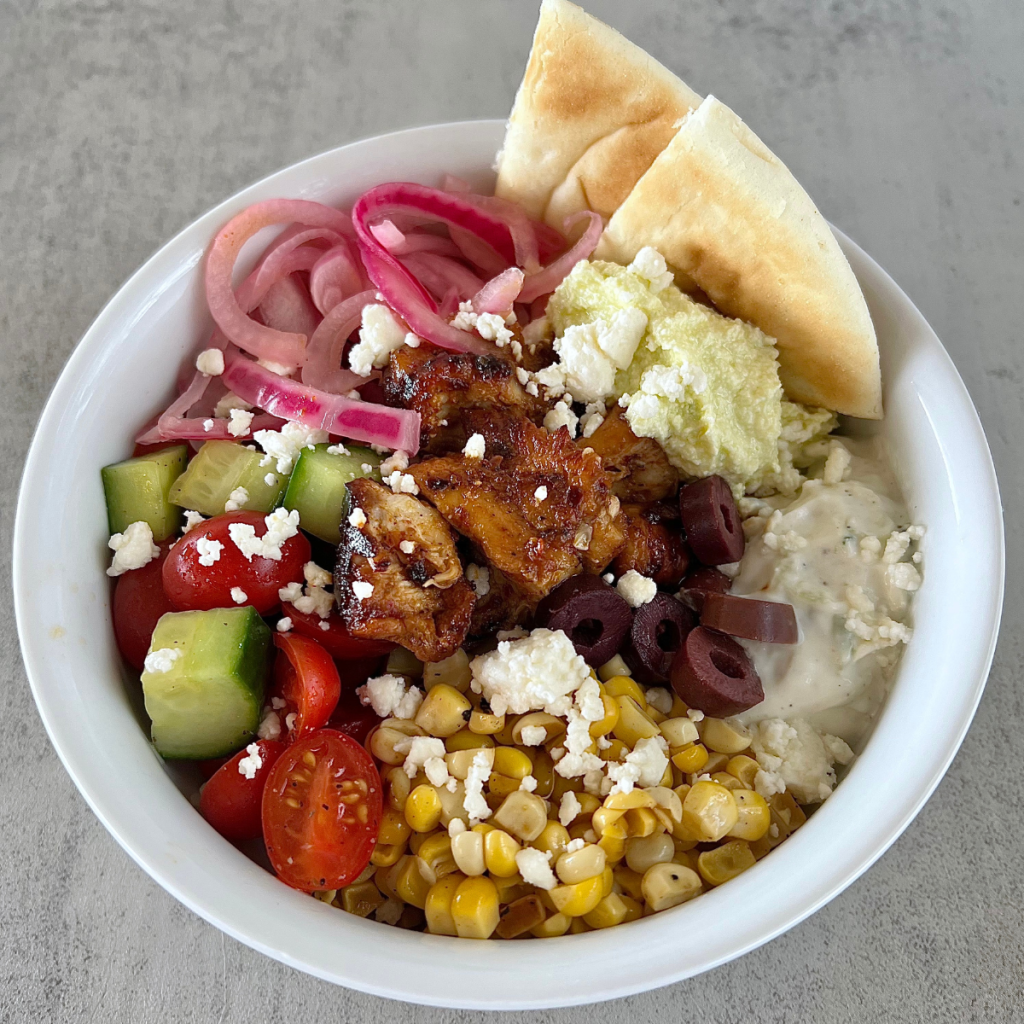
When diving into a business, you’ve got to taste the product, right? Here are the items I usually order from CAVA and why I think they’ve become customer favorites.
Greens + Grains Bowl: This is usually my order because it perfectly showcases one of CAVA’s biggest strengths: customization. Customers can mix and match ingredients to create thousands of possible combinations, making every visit feel a little different and encouraging repeat business.
Spicy Lamb Meatballs: These help separate CAVA from many other fast-casual chains. Offering unique proteins reinforces the company’s Mediterranean identity while creating a menu item that customers cannot easily find elsewhere.
Hummus and Garlic Dressing: The dips and sauces are honestly one of the best parts of the experience. Signature flavors like these help build customer loyalty because people begin associating certain tastes directly with the brand.
Pita Chips: While they may seem like a small addition, premium add-ons like these help increase average order values while making meals feel more customizable and complete.
The Business Behind the Billions
Capitalizing on Health Trends
One of the biggest reasons for CAVA’s success has been its ability to capitalize on changing consumer preferences. Over the past decade, consumers have become increasingly focused on health, wellness, and ingredient quality. Mediterranean diets are often associated with fresh ingredients, balanced nutrition, and healthier lifestyles, placing CAVA in an ideal position to benefit from these trends.
Importantly, consumers are often willing to pay premium prices for products they perceive as healthier. This has allowed CAVA to maintain strong average order values while differentiating itself from traditional fast-food competitors. Timing can be incredibly important in business, and CAVA entered the market at nearly the perfect moment.
Creating the Mediterranean Chipotle
CAVA successfully adapted Chipotle’s assembly-line model and applied it to Mediterranean cuisine. Customers enjoy being able to personalize their meals, and customization often leads to greater satisfaction and stronger customer loyalty.
At the same time, this model remains highly efficient operationally. Ingredients can be prepared ahead of time and assembled quickly, allowing restaurants to serve large numbers of customers without sacrificing quality. This scalability has been one of the key reasons CAVA has been able to expand so rapidly.
Smart Expansion Through Acquisitions
The acquisition of Zoës Kitchen may have been the smartest decision in the company’s history. Building hundreds of restaurants from scratch would have required enormous amounts of time and capital.
By acquiring an existing chain, CAVA essentially skipped years of expansion and gained immediate access to valuable real estate and infrastructure. This strategy demonstrates an important lesson for entrepreneurs: growth does not always need to happen organically. Sometimes acquiring existing assets can be significantly more efficient than building everything yourself.
Building a Premium Brand
Unlike many traditional fast-food chains, CAVA has intentionally positioned itself as a premium dining experience. Higher-quality ingredients, modern restaurant designs, and strong branding allow the company to charge higher prices while still maintaining strong customer demand.
Consumers increasingly view dining as more than simply purchasing food. They are often paying for convenience, atmosphere, and an overall experience. CAVA has successfully built a brand that feels modern, healthy, and somewhat upscale, creating strong customer loyalty in the process.
Simplicity and Focus
Many restaurant companies eventually make the mistake of expanding their menus too much. CAVA has largely avoided this problem.
Although customers can create thousands of meal combinations, the company has maintained a relatively focused menu. This simplifies operations, reduces waste, makes employee training easier, and helps maintain consistency across locations.
Businesses often become successful because of simplicity, and maintaining that simplicity while growing can be surprisingly difficult. CAVA has done an excellent job balancing innovation with operational focus.
Lessons From CAVA for Aspiring Entrepreneurs
Strategy | What It Teaches |
|---|---|
| Health Trends | Recognizing changing consumer preferences can create enormous opportunities. |
| Customization | Giving customers choices often increases satisfaction and loyalty. |
| Acquisitions | Strategic acquisitions can dramatically accelerate growth. |
| Premium Branding | Businesses do not always need to compete on price. |
Final Thoughts
CAVA’s story is a reminder that innovation does not always mean inventing something completely new.
Sometimes the greatest opportunities come from taking an existing concept and making it more accessible, scalable, and appealing to modern consumers. By combining health trends, customization, strong branding, and strategic expansion decisions, CAVA transformed itself from a small regional restaurant into one of the fastest-growing companies in the restaurant industry.
What I find particularly interesting is how early the company recognized changing consumer behavior. Mediterranean food had always been popular in certain markets, but CAVA understood that millions of consumers were looking for healthier alternatives to traditional fast food long before many larger competitors recognized the opportunity.
For entrepreneurs, there is an important lesson here. Some of the biggest opportunities come from identifying trends early and executing better than everyone else.
Want more bites of business?
Subscribe to get every new post delivered straight to your inbox.
Sources:
- Our Story – CAVA Official Website
- CAVA Investor Relations
- CAVA SEC Filings and Annual Reports
- CAVA Form S-1 Registration Statement
- Why CAVA Bought Zoës Kitchen – Restaurant Business Online
- How CAVA Became the Mediterranean Chipotle – QSR Magazine
- CAVA’s Growth Story and Expansion Strategy – Forbes
- CAVA IPO and Expansion Coverage – CNBC
- CAVA Expansion Strategy – Nation’s Restaurant News
- Fast Casual Industry Reports – Technomic
- Restaurant Industry Statistics – Statista
- CAVA Financial Data – Yahoo Finance
- Historical Financial Information – Macrotrends
 Business Bites
Leave a comment