Welcome back to Business Bites, the blog where food meets business strategy. Every restaurant has a story, and often the most interesting part isn’t what’s on the menu—it’s the decisions behind the scenes that helped turn a local restaurant into a global brand.
In this series, I take a closer look at some of the biggest names in the restaurant industry to see what made them successful. From smart marketing campaigns to franchising strategies and operational decisions, each chain offers valuable lessons for entrepreneurs, business students, and anyone curious about how major companies grow.
This week’s spotlight is on one of the most recognizable names in fast food and McDonald’s biggest rival for decades: Burger King.
Part 5 – Burger King
For most of its history, Burger King has lived in the shadow of McDonald’s.
At first glance, that might seem like a disadvantage. But Burger King has managed to carve out its own identity by doing what many successful businesses do: finding a way to stand out from a much larger competitor.
Whether it’s the flame-grilled Whopper, memorable advertising campaigns, or a franchise-heavy growth strategy, Burger King has spent decades building a brand that serves millions of customers around the world.
Whether it’s the flame-grilled Whopper, memorable advertising campaigns, or a franchise-heavy growth strategy, Burger King has spent decades building a brand that serves millions of customers around the world.
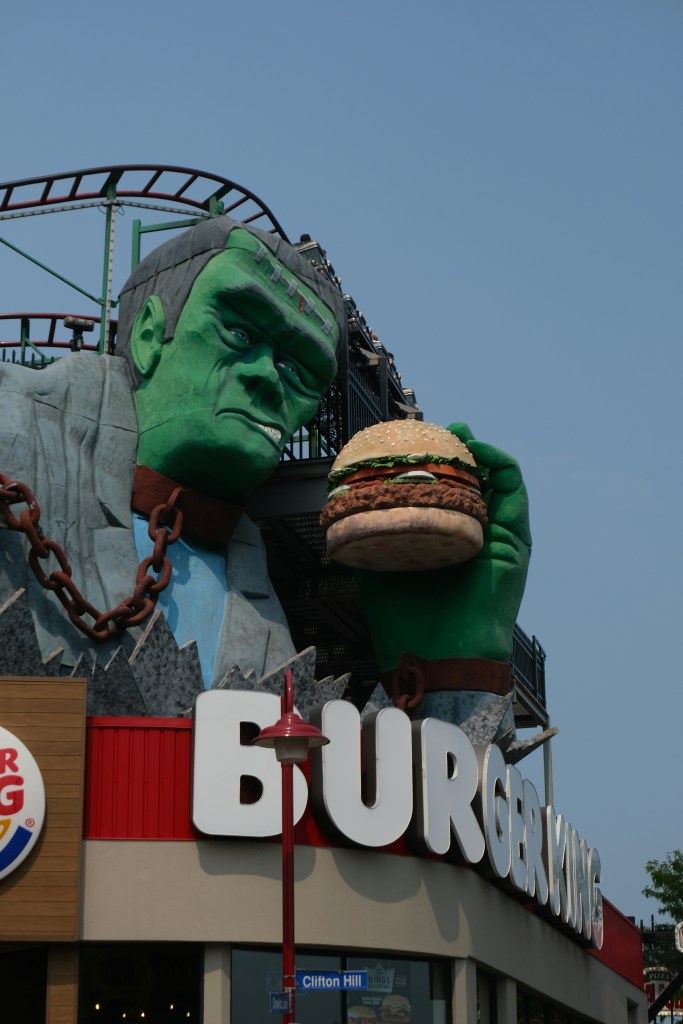
The Journey to becoming the King of burgers.
Burger King’s roots trace back to Jacksonville, Florida, where the company began in 1953 under the name Insta-Burger King. Financial struggles forced the original owners to sell the business, and in 1954 James McLamore and David Edgerton purchased the company and renamed it Burger King.
The pair believed customers would respond to larger burgers and a distinctive cooking method. That idea eventually led to the creation of the Whopper, which debuted in 1957 and quickly became Burger King’s signature product.
As the company expanded, franchising played a major role in its growth. Rather than owning most locations itself, Burger King relied heavily on franchise operators to open restaurants across the United States and eventually around the world.
Today, Burger King operates in more than 100 countries and serves millions of customers every day, making it one of the largest fast-food chains on the planet.
My Go To Order
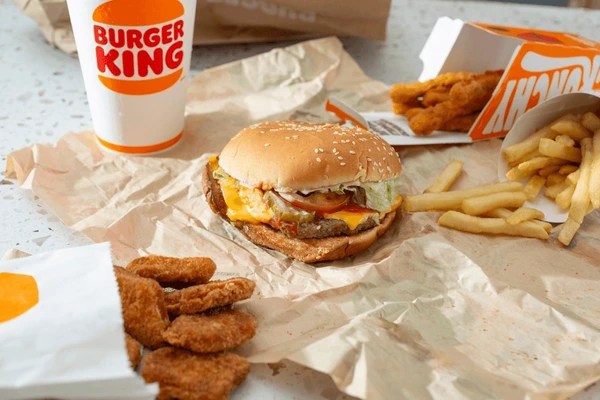
Chicken Fries: This is probably the item I order most often at Burger King. They’re easy to eat, have a good crispy texture, and are different from the typical chicken nuggets you find at most fast-food restaurants. Their unique shape helped Burger King create a product that stands out in a crowded market.
Original Chicken Sandwich: This has been on Burger King’s menu for decades, and for good reason. The long sesame-seed bun and crispy chicken give it a different feel from most chicken sandwiches. It’s a good example of how a company can keep customers coming back with products that become part of its identity.
French Fries: Burger King’s fries are simple, but they’re consistently solid and pair well with almost anything on the menu. While they may not get as much attention as the burgers, sides like fries are an important part of profitability for fast-food chains.
Hershey’s Sundae Pie: Easily one of the most underrated fast-food desserts. The first time I had it was in Ireland and it was exquisite and was so rich.
The Business Strategies Behind the Billions
Differentiation Through Flame-Grilling
One of Burger King’s longest-running advantages is its flame-grilling process.
While competitors often cook burgers on flat-top grills, Burger King has consistently emphasized flame-grilled burgers as a key part of its identity. Whether customers can taste the difference or not, the strategy helped create a unique selling point that separated Burger King from rivals.
Aggressive Franchising
Burger King has relied heavily on franchising to fuel growth.
Because franchisees provide much of the capital needed to open restaurants, Burger King has been able to expand rapidly without bearing the full cost of every new location. This asset-light approach allowed the company to scale internationally while generating steady royalty income.
Marketing That Gets Attention
Burger King has rarely been afraid to take risks with advertising.
Over the years, the company has launched campaigns that directly compared itself to competitors, embraced internet culture, and generated significant media attention. Some campaigns have been controversial, but they have also helped keep Burger King relevant in an extremely competitive industry.
Value and Promotions
Fast food is highly competitive, and Burger King has frequently used promotions and value offerings to attract customers.
Special deals, limited-time offers, and app-based discounts help drive traffic while encouraging customers to choose Burger King over competitors.
Global Adaptation
Although the Whopper remains the centerpiece of the menu, Burger King adapts its offerings to fit local markets around the world.
Different countries often feature unique menu items designed around local tastes and preferences. This flexibility allows Burger King to maintain a global brand while appealing to regional customers. An example is the expanded vegetarian options in Southern Asian markets.
Lessons From Burger King for Aspiring Entrepreneurs
Strategy | What It Teaches |
|---|---|
| Differentiate Yourself | Find a way to stand out even when competing against larger rivals |
| Franchising | Growth can accelerate when you leverage partners |
| Bold Marketing | Sometimes taking calculated risks creates valuable attention |
| Adaptability | Successful businesses adjust to local markets and customer preferences |
Final Thoughts
Burger King’s story shows that being second doesn’t mean being unsuccessful.
Competing against an industry giant like McDonald’s could have made Burger King irrelevant. Instead, the company built its own identity through flame-grilled burgers, memorable marketing, and global expansion.
The lesson for entrepreneurs is simple: you don’t always need to be first. Sometimes success comes from finding a unique position and executing it consistently.
Burger King is more than just a burger chain. It’s an example of how differentiation, franchising, and brand-building can help a company thrive even in one of the most competitive industries in the world.
Up next on Business Bites: Domino’s Pizza — a company that transformed itself from a struggling pizza chain into one of the most successful technology-driven restaurant brands in the industry. We’ll explore how honesty, innovation, and digital ordering helped Domino’s stage one of the most impressive business turnarounds of the last two decades.
Want more bites of business?
Subscribe to get every new post delivered straight to your inbox.
Sources:
- The History of Burger King – Burger King Corporate Website
- Burger King Company Overview – Restaurant Brands International Investor Relations
- Burger King Statistics and Market Data – Statista Research Department
- How Burger King Built the Whopper Brand – QSR Magazine
- Burger King’s Global Franchising Strategy – Franchise Times
- The Evolution of Burger King’s Marketing Campaigns – Forbes Contributors
- Burger King’s International Growth Story – Restaurant Business Online
- How Burger King Uses Digital Promotions and Loyalty Programs – CNBC Restaurants Coverage
 Business Bites
Leave a comment