Welcome to Business Bites, the blog where food meets business strategy — and where every bite tells a story about what makes the biggest restaurant chains tick. If you’ve ever wondered why some brands grow from a single local restaurant to worldwide icons, or how your favorite chains keep millions of customers coming back, you’re in the right place.
This series digs beneath the surface of menus and marketing campaigns to uncover the smart business decisions that helped these companies rise to the top. From franchising and supply chain management to digital innovation and customer experience, I’ll break down the strategies that turn burritos, burgers, pizza, and chicken into multi-billion-dollar businesses. Plus, I’ll share my personal favorite menu picks to prove the food is worth the hype.
Each post focuses on one restaurant, exploring what makes it unique, how it grew, and the lessons it offers for anyone interested in business—whether you’re a student, a future entrepreneur, or simply someone who enjoys learning how successful companies operate.
Today’s spotlight? The fast-casual chain that changed the way millions of people think about burritos, fresh ingredients, and customization: Chipotle.
Part 8 – Chipotle
Walk into almost any Chipotle during lunch or dinner, and chances are you’ll find a line stretching toward the door. Despite charging more than traditional fast-food restaurants, people continue coming back. That’s because Chipotle isn’t really competing with the dollar menu. Instead, it created an entirely different category—fast food that feels fresher, more customizable, and closer to a restaurant experience.
Long before personalization became common across industries, Chipotle realized customers wanted more control over what they were buying. Rather than choosing from dozens of pre-made meals, customers could build exactly what they wanted while still receiving their food in just a few minutes. That simple idea changed the fast-food industry and inspired countless competitors.
From One Burrito Shop to an Industry Leader
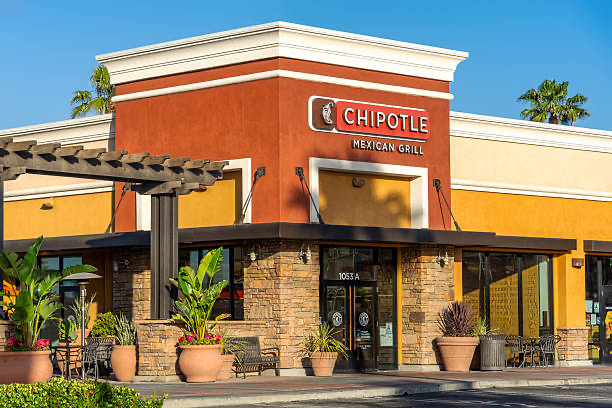
Chipotle Mexican Grill was founded in 1993 by Steve Ells in Denver, Colorado. Interestingly, Ells didn’t originally plan to build a restaurant empire. His goal was to open a fine-dining restaurant, and Chipotle was simply intended to help fund that dream. However, the restaurant became far more successful than expected, convincing him to focus entirely on growing the concept.
The idea behind Chipotle was straightforward but different for its time. Instead of emphasizing speed above everything else, the restaurant focused on fresh ingredients prepared in front of customers. Every burrito, bowl, taco, or salad could be customized, giving customers the feeling that their meal was made specifically for them. This combination of speed and personalization quickly attracted loyal customers.
In 1998, McDonald’s became an investor in Chipotle and helped provide the resources needed to expand across the country. After several years of rapid growth, Chipotle became an independent public company in 2006. Like many successful businesses, the company has also faced major challenges, particularly the food safety incidents in 2015 that significantly impacted customer confidence. Rather than hiding from the problem, Chipotle invested heavily in food safety improvements, operational changes, and digital innovation. Over time, customer trust returned, and today the company is stronger than ever.
My Go-To Order
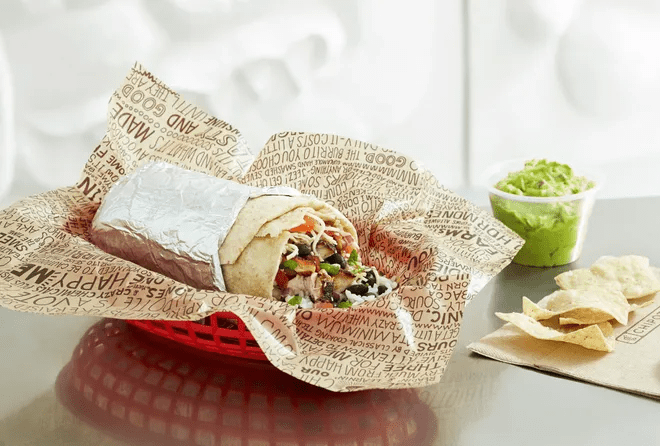
When looking at a restaurant business, it’s important to understand why customers keep coming back. Here are my favorite items from Chipotle and why I think they’ve become so popular.
Chicken Burrito Bowl: This is almost always my order. I like bowls because you get a lot of food, they’re easy to customize, and I usually end up with leftovers. From a business perspective, bowls are a great example of Chipotle’s model. Customers feel like they’re creating a meal that’s unique to them, but the restaurant is still using the same core ingredients it already has on hand.
Chips and Guacamole: Chipotle’s guacamole has become one of its signature products. Even though it costs extra, people continue ordering it because they associate it with freshness and quality. That shows how companies can successfully charge premium prices when customers believe they’re receiving something worth paying for.
Chips and Queso Blanco: This is another item I like adding when I’m eating with family or friends. It makes the meal feel more complete while also increasing the average amount customers spend. For Chipotle, products like queso are excellent add-ons because they require many of the same ingredients already used throughout the restaurant.
The Business Behind the Billions
Customization Without Complexity
One of Chipotle’s biggest competitive advantages is its assembly-line model. Every customer walks down the counter choosing ingredients one at a time, creating a meal that feels personalized without slowing down the process. Instead of maintaining dozens of completely different menu items, Chipotle relies on a relatively small number of ingredients that can be combined in thousands of different ways.
This approach benefits both customers and the company. Customers appreciate having control over their meals, while Chipotle benefits from simplified inventory management and more efficient kitchen operations. Because the same ingredients are used across burritos, bowls, tacos, salads, and quesadillas, the company doesn’t need to stock hundreds of different products to create variety.
It’s a great example of solving two problems at once. Customers get flexibility, while the business keeps costs and operational complexity under control.
Food With Integrity
From its earliest days, Chipotle emphasized fresh ingredients and responsibly sourced food through its “Food With Integrity” philosophy. While many competitors focused primarily on offering the lowest possible prices, Chipotle positioned itself as a higher-quality alternative. That decision allowed the company to charge more while attracting customers who valued freshness and ingredient quality.
Premium positioning isn’t always easy because customers naturally compare prices. Chipotle overcame that challenge by making customers feel they were paying for something meaningfully different. Freshly prepared ingredients, open kitchens, and customizable meals helped reinforce that perception every time someone visited.
The lesson here is that businesses don’t always have to compete on price. If customers believe they’re receiving greater value, many are willing to pay more.
Recovering From Crisis
Few restaurant companies have faced a challenge as significant as Chipotle’s food safety incidents in 2015. Sales declined, customer trust fell sharply, and many questioned whether the brand would fully recover.
Instead of simply waiting for the news cycle to move on, Chipotle invested heavily in improving food safety procedures throughout the company. It strengthened employee training, redesigned food preparation processes, and increased oversight across its supply chain. At the same time, the company continued investing in digital ordering and customer convenience, giving people additional reasons to return.
Recovering from a crisis is never easy, but Chipotle demonstrated that companies willing to acknowledge problems and make meaningful improvements can rebuild customer trust over time.
Investing in Digital Convenience
Like many successful restaurant chains today, Chipotle has embraced technology to improve the customer experience. Its mobile app allows customers to customize meals, save favorite orders, earn rewards, and schedule pickup times. During the pandemic, these digital capabilities became even more valuable as customer behavior shifted toward online ordering.
One of Chipotle’s most successful innovations has been the introduction of “Chipotlanes,” drive-thru pickup lanes designed specifically for customers who order through the app. Unlike traditional drive-thrus, these lanes focus on convenience rather than placing orders, allowing restaurants to serve customers more efficiently.
Technology has become much more than a convenience feature—it’s now an important part of Chipotle’s long-term growth strategy.
Staying Focused While Continuing to Innovate
Many successful restaurants eventually try to become everything to everyone. They introduce entirely new product categories, expand into unrelated markets, or dramatically change their identity. Chipotle has largely avoided that temptation.
While the company regularly introduces limited-time proteins and seasonal offerings, the core concept has remained remarkably consistent. Customers still recognize the same assembly-line experience that made the company successful decades ago.
Rather than reinventing the business every few years, Chipotle has focused on making its existing concept better through operational improvements, digital innovation, and higher-quality ingredients. That discipline has helped the company maintain a strong brand identity while continuing to grow.
Lessons From Chipotle for Aspiring Entrepreneurs
Strategy | What It Teaches |
|---|---|
| Customization | Give customers choice without making operations overly complicated |
| Premium Positioning | Compete on value instead of simply lowering prices |
| Technology Investment | Trust can be rebuilt through meaningful action |
| Digital Innovation | Technology should improve convenience and efficiency |
Final Thoughts
Chipotle changed the restaurant industry by proving that customers were willing to pay more for fresh ingredients, greater customization, and a better overall experience. Through smart operations, strong branding, and a willingness to learn from setbacks, the company built one of the most successful fast-casual businesses in the world.
Chipotle is more than just burritos and bowls—it’s a lesson in creating value instead of simply competing on price. By giving customers exactly what they wanted while keeping operations remarkably efficient, the company created a business model that many competitors continue to copy today.
Up next on Business Bites: Wendy’s — the burger chain that challenged industry giants with fresh beef, memorable marketing, and one of the boldest brand personalities in fast food. We’ll explore how Wendy’s carved out its own identity in one of the most competitive markets in the restaurant industry.
Want more bites of business?
Subscribe to get every new post delivered straight to your inbox.
Sources:
- Our Story – Chipotle Mexican Grill
- 2024 Annual Report – Chipotle Mexican Grill Investor Relations
- Food With Integrity – Chipotle Mexican Grill
- How Chipotle Recovered From a Food Safety Crisis – Harvard Business Review
- How Chipotle Became a Fast-Casual Giant – Restaurant Business Online
- Chipotle’s Digital Strategy and Chipotlane Expansion – QSR Magazine
- Chipotle Mexican Grill Statistics – Statista Research Department
- Steve Ells on Building Chipotle – Entrepreneur Magazine
- How Chipotle Built a Premium Brand – Forbes Contributors
- Chipotle’s Digital Growth and Customer Experience – CNBC Restaurants Coverage
 Business Bites
Leave a comment