Welcome to Business Bites, the blog where food meets business strategy, and where every bite tells a story about what makes the biggest restaurant chains tick. If you’ve ever wondered why some restaurants become household names while others remain local favorites, you’re in the right place.
This series explores the decisions that transformed small restaurants into billion-dollar businesses. Every company has a unique story, and each one offers lessons in leadership, marketing, operations, and growth. Along the way, I’ll also share some of my favorite menu items because understanding the product is just as important as understanding the business behind it.
Today’s spotlight is on the restaurant that introduced millions of Americans to Chinese-American cuisine and quietly became the largest Asian restaurant chain in the United States: Panda Express.
Part 11 – Panda Express
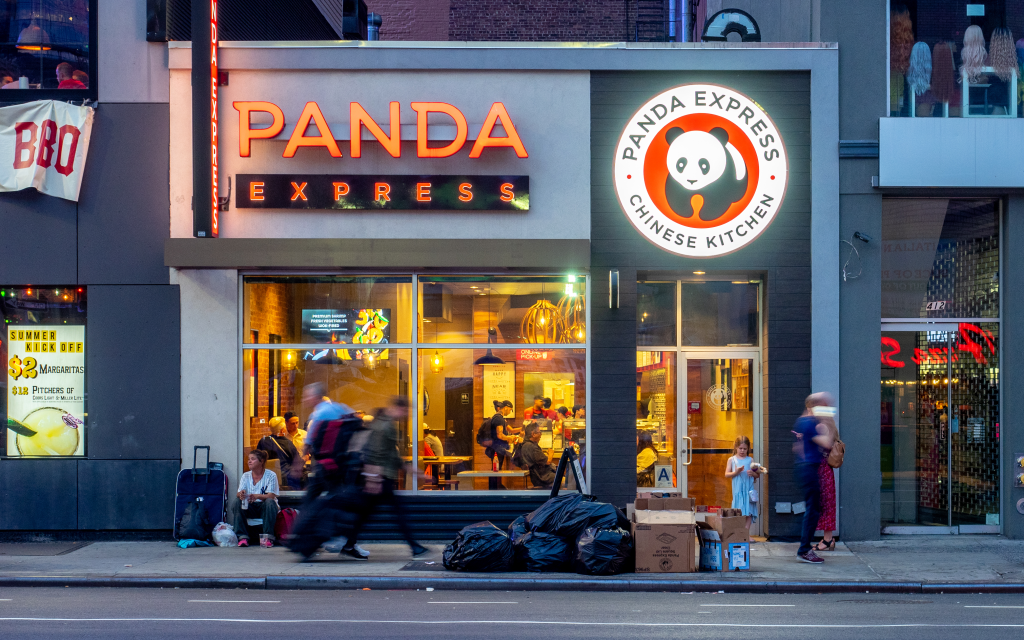
Whether it’s inside a shopping mall, an airport, or a busy shopping center, Panda Express seems to be everywhere. Unlike many restaurant chains that built their business around burgers or pizza, Panda Express found success by making Chinese-American food fast, affordable, and consistent.
That might sound simple today, but when Panda Express first opened, very few national chains were serving Chinese food on a large scale. The company recognized an opportunity to make a cuisine that many people enjoyed more accessible, while still maintaining a level of quality that encouraged customers to keep coming back.
Over the years, Panda Express has become much more than another fast-food chain. It has built a brand centered around consistency, innovation, and strong company culture, proving that businesses don’t always need to follow the same path as everyone else to become industry leaders.
From One Family Restaurant to Thousands of Locations
The story of Panda Express begins with Andrew and Peggy Cherng. Before launching Panda Express, Andrew Cherng and his father operated Panda Inn, a full-service Chinese restaurant in California that became well known for serving high-quality Chinese-American cuisine.
In 1983, Andrew and Peggy Cherng opened the first Panda Express inside the Glendale Galleria in California. Rather than opening another traditional sit-down restaurant, they believed there was an opportunity to bring Chinese-American food into shopping malls where customers wanted meals that were both quick and flavorful.
As the business grew, Panda Express continued opening company-owned restaurants instead of relying heavily on franchising like many competitors. This decision gave the company greater control over food quality, employee training, and customer experience. Today, Panda Express operates more than 2,500 locations and continues to expand both domestically and internationally while remaining privately owned.
My Go-To Order
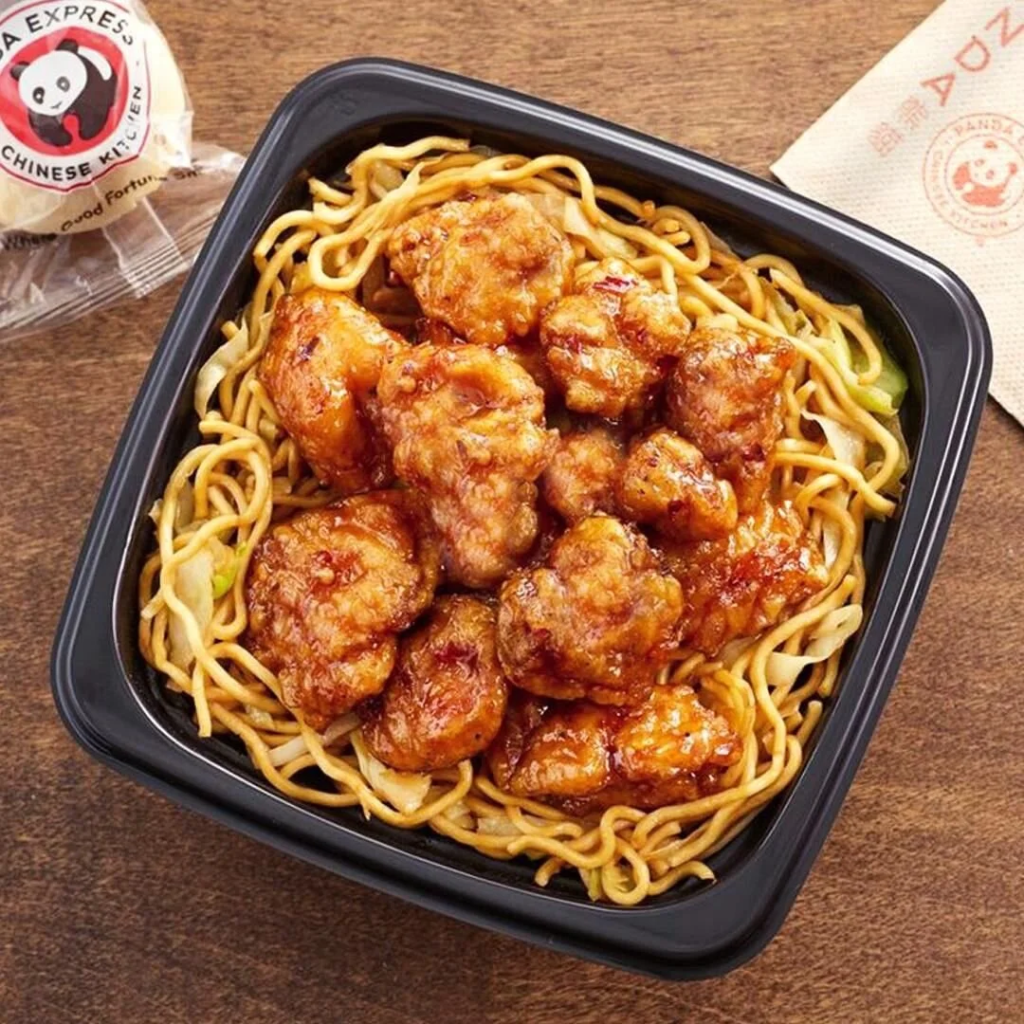
When diving into a business, you’ve got to taste the product, right? Here are the items I usually order from Panda Express and why I think they’ve become customer favorites.
Orange Chicken: If Panda Express is known for one item, it’s this. The crispy chicken coated in a sweet and tangy orange sauce has become one of the most recognizable menu items in fast food. It’s the perfect example of how one signature product can define an entire brand.
Honey Walnut Shrimp: I don’t order this every visit because it costs extra, but whenever I do, I think it’s worth it. The combination of crispy shrimp, candied walnuts, and creamy sauce makes it feel more premium than a typical fast-food entrée. Offering higher-priced menu items like this also helps increase the average transaction value.
Chow Mein: This is almost always my side of choice. It’s simple, filling, and pairs well with nearly every entrée on the menu. Side dishes like chow mein help create consistency across orders while allowing customers to mix and match their meals.
Cream Cheese Rangoon: These are one of my favorite appetizers. They’re crispy, flavorful, and easy to share. Smaller items like these encourage customers to add something extra to their meal, increasing revenue while enhancing the dining experience..
The Business Behind the Billions
Company-Owned Growth
Unlike many restaurant chains that rely heavily on franchising, Panda Express has primarily expanded through company-owned restaurants. While this approach requires significantly more investment, it also gives the company much greater control over operations.
Because Panda Express owns and operates most of its locations, it can maintain consistent standards for food quality, employee training, restaurant design, and customer service. Decisions can be implemented across the entire company much more quickly than in a franchise system, where each location is independently owned.
This strategy also allows Panda Express to protect its brand more effectively. While franchising can accelerate growth, company ownership provides greater consistency. Panda Express chose control over speed, and that decision has played a major role in building its reputation.
Creating Signature Products
Every successful restaurant has products that customers immediately associate with the brand. For Panda Express, that product is Orange Chicken.
Introduced in 1987, Orange Chicken quickly became the restaurant’s signature entrée and remains one of its best-selling items today. Instead of constantly changing the menu, Panda Express built much of its identity around a handful of recognizable favorites.
Signature products help create brand recognition because customers know exactly what they’re coming for. They also simplify marketing efforts since the company can focus on promoting products that already have widespread appeal.
Businesses across every industry can benefit from having a product or service that customers instantly connect with the brand.
Innovation Without Losing Identity
Although Orange Chicken remains the company’s most famous menu item, Panda Express continues introducing new entrées, seasonal offerings, and healthier alternatives. The key difference is that these innovations support the company’s core concept rather than replacing it.
The company regularly tests new recipes while keeping its most popular products available. This allows Panda Express to stay relevant without confusing customers about what the brand represents.
Innovation is important, but consistency is equally valuable. Panda Express has found a balance between the two by introducing new ideas without abandoning the products that made it successful.
Investing in Employees and Company Culture
One of the less publicized reasons for Panda Express’s success is its emphasis on employee development. The company invests heavily in leadership training, career advancement, and creating opportunities for employees to grow within the organization.
Strong company culture isn’t just about making employees happy. Better-trained employees often provide better customer service, contribute to lower turnover, and create a more consistent experience for customers. Those improvements eventually translate into stronger business performance.
Many businesses focus primarily on customers while overlooking employees. Panda Express has long viewed its people as one of its greatest competitive advantages.
Adapting to Customer Preferences
Consumer tastes change over time, and successful businesses change with them. Panda Express has responded by introducing more vegetables, grilled proteins, and lighter menu options while continuing to serve the classics that customers expect.
Rather than completely reinventing the menu, the company has adapted gradually to changing preferences. This strategy allows Panda Express to attract new customers without alienating longtime fans.
Businesses that remain flexible while staying true to their core identity often have a much easier time sustaining long-term growth.
Lessons From Panda Express for Aspiring Entrepreneurs
Strategy | What It Teaches |
|---|---|
| Company Ownership | Greater control can create greater consistency |
| Signature Products | One great product can define an entire brand |
| Innovation | Keep improving without abandoning your identity |
| Company Culture | Investing in employees strengthens the customer experience |
Final Thoughts
Panda Express built one of the most successful restaurant brands in America by doing things differently. Rather than relying heavily on franchising, the company prioritized operational control. Rather than offering an endless menu, it focused on a handful of signature dishes that customers came to love. Through disciplined growth, strong leadership, and a commitment to quality, Panda Express transformed a family-owned restaurant into the largest Asian restaurant chain in the United States.
Its story shows that there isn’t one formula for building a successful business. Some companies grow through franchising, while others grow through ownership. Some compete on price, while others compete on quality. Panda Express succeeded by understanding what made its business unique and staying committed to those strengths.
Up next on Business Bites: Subway. We’ll look at how one of the largest franchise systems in history expanded across the globe, why growth eventually slowed, and what businesses can learn from both its successes and its challenges.
Want more bites of business?
Subscribe to get every new post delivered straight to your inbox.
Sources:
- Our Story – Panda Restaurant Group
- Leadership – Panda Restaurant Group
- Panda Express History – Panda Express Official Website
- The Story Behind Orange Chicken – Panda Express
- How Panda Express Became America’s Largest Asian Restaurant Chain – Restaurant Business Online
- Panda Express Growth Strategy – QSR Magazine
- Panda Express Statistics and Industry Data – Statista Research Department
- Andrew Cherng’s Leadership Philosophy – Forbes Contributors
- How Panda Express Built a Restaurant Empire – Entrepreneur Magazine
- Why Panda Express Never Franchised Widely – Franchise Times
 Business Bites
Leave a comment