Welcome to Business Bites, the blog where food meets business strategy, and where every bite tells a story about what makes the biggest restaurant chains tick. If you’ve ever wondered why some restaurants become household names while others remain local favorites, you’re in the right place.
This series explores the decisions that transformed small restaurants into billion-dollar businesses. Every company has a unique story, and each one offers lessons in leadership, marketing, operations, and growth. Along the way, I’ll also share some of my favorite menu items because understanding the product is just as important as understanding the business behind it.
Today’s spotlight is on the sandwich chain that became one of the largest franchise systems in history: Subway.
Part 12 – Subway
For years, Subway seemed impossible to escape. Shopping malls, gas stations, airports, college campuses, hospitals, and neighborhood shopping centers all seemed to have one. At one point, Subway had more locations worldwide than McDonald’s.
That kind of growth didn’t happen because Subway had the biggest advertising budget or the most expensive restaurants. Instead, the company built a business model that made opening a Subway restaurant relatively affordable for franchise owners while giving customers a healthier alternative to traditional fast food.
Although the company has faced challenges in recent years, Subway remains one of the most recognizable restaurant brands in the world. Its story offers just as many lessons from its setbacks as it does from its successe
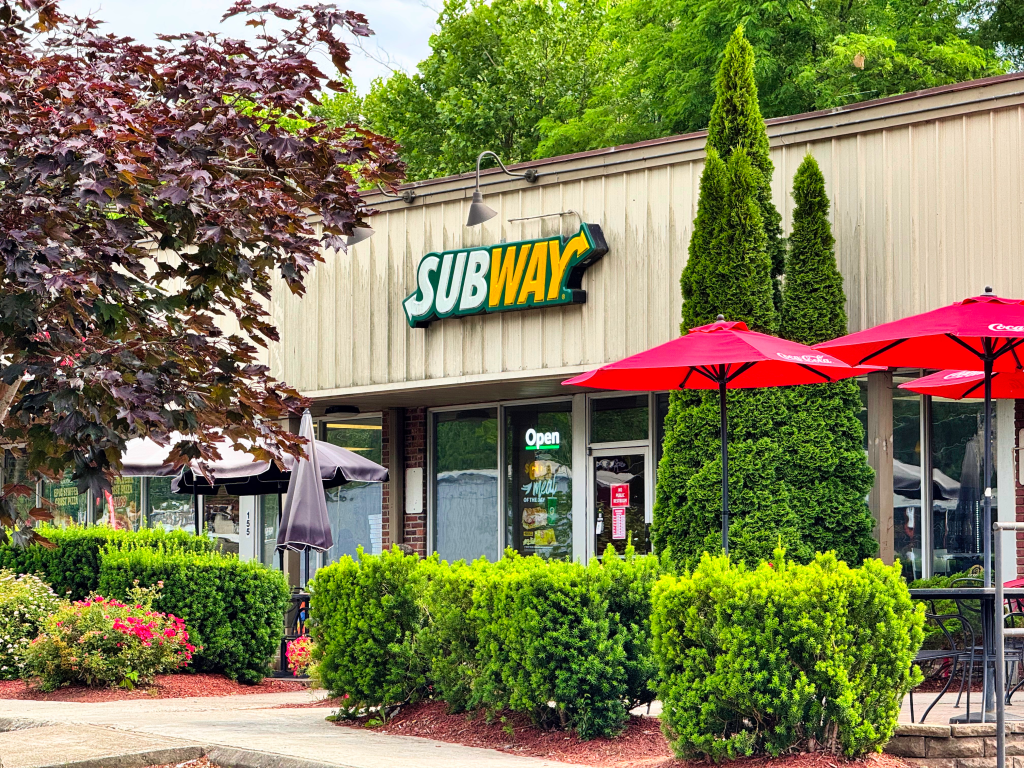
From a Small Sandwich Shop to a Global Brand
Subway was founded in 1965 by 17-year-old Fred DeLuca and family friend Dr. Peter Buck in Bridgeport, Connecticut. DeLuca originally wanted to earn money for college, and Buck suggested opening a submarine sandwich shop, providing a $1,000 investment to help get started.
The first restaurant was called Pete’s Super Submarines. While the early years weren’t always easy, the founders believed they could build a successful business by serving freshly made sandwiches at affordable prices. After opening several locations, they renamed the company Subway and began focusing heavily on franchising.
That decision transformed the business. Because opening a Subway required less capital than many other fast-food restaurants, thousands of entrepreneurs were able to become franchise owners. Over the next several decades, Subway expanded across the United States and eventually into more than 100 countries, becoming one of the largest restaurant chains in the world.
Like every company featured in this series, Subway has also faced obstacles. Increased competition, changing consumer preferences, and operational challenges slowed the company’s growth in recent years. Even so, Subway’s influence on the restaurant industry remains significant.
My Go-To Order
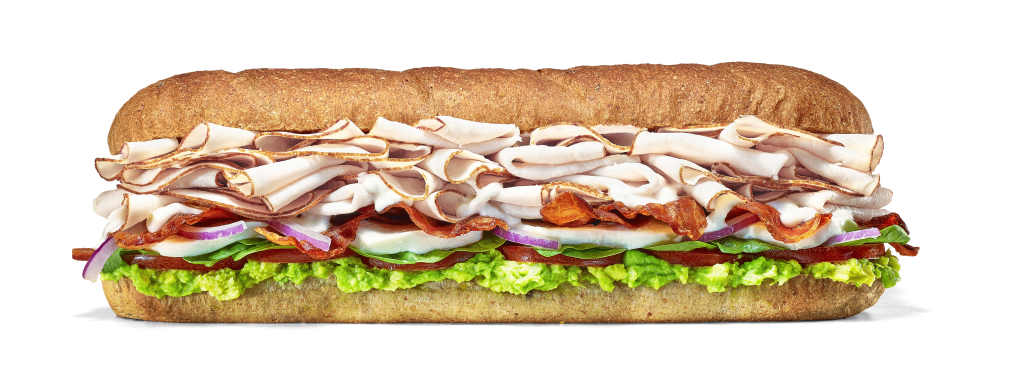
When diving into a business, you’ve got to taste the product, right? Here are the items I usually order from Subway and why I think they’ve remained customer favorites.
Oven-Roasted Turkey Footlong: This is usually my go-to order. It’s simple, filling, and one of the healthier choices on the menu. The ability to customize every topping makes it easy to order exactly what I want each time I visit.
Italian Herbs & Cheese Bread: If I’m not trying to eat as healthy, this is my favorite bread. It adds a lot more flavor than the standard options and has become one of Subway’s most recognizable choices.
Chocolate Chip Cookies: Subway’s cookies are easily one of the best desserts you’ll find at a fast-food restaurant. They’re soft, consistently good, and a perfect example of how desserts encourage customers to spend just a little more during each visit.
The Business Behind the Billions
Franchising at an Unprecedented Scale
No strategy contributed more to Subway’s growth than franchising. Rather than investing billions of dollars to build company-owned restaurants, Subway focused on helping entrepreneurs open locations under its brand.
The relatively low startup costs made Subway attractive to first-time business owners who wanted to operate a restaurant without making the massive investment required by many competitors. As more franchisees joined the system, Subway was able to expand at an incredible pace, eventually becoming one of the largest franchise systems in the world.
Rapid expansion helped build brand recognition, but it also highlighted an important business lesson. Growth is valuable only when it can be supported consistently. As Subway expanded into more markets, maintaining quality and preventing stores from competing with one another became increasingly difficult.
Giving Customers Complete Control
Long before customization became common throughout the restaurant industry, Subway allowed customers to build their sandwiches exactly the way they wanted. Customers could choose their bread, protein, cheese, vegetables, sauces, and seasonings while watching everything being prepared in front of them.
This approach created a much more personal experience than ordering a pre-made sandwich. Customers felt involved in the process, which increased satisfaction while allowing Subway to use the same ingredients in countless different combinations.
Many companies today emphasize personalization because customers value products that reflect their individual preferences. Subway recognized that decades before many competitors.
Marketing Healthier Fast Food
One of Subway’s biggest competitive advantages was its reputation as a healthier alternative to burgers and fried food. The company built marketing campaigns around fresh vegetables, lower-calorie options, and sandwiches made to order.
Whether customers were focused on nutrition or simply wanted something different, Subway successfully positioned itself as an option that felt lighter than traditional fast food. That positioning helped attract customers who might otherwise have avoided quick-service restaurants altogether.
The lesson here is that branding isn’t just about selling products. It’s about shaping how customers think about your business before they even walk through the door.
Simplicity and Operational Efficiency
Subway’s operating model is surprisingly efficient. Although customers have hundreds of possible sandwich combinations, the restaurants rely on a relatively small group of ingredients that can be mixed and matched in different ways.
This simplifies inventory management, reduces food waste, and makes employee training much easier than if every menu item required completely different ingredients. The assembly-line format also helps restaurants serve customers quickly while maintaining consistency.
Many businesses assume customization automatically creates complexity. Subway proved that thoughtful operations can deliver both flexibility and efficiency at the same time.
Learning From New Competition
Over the past decade, Subway has faced increasing competition from companies like Jersey Mike’s, Firehouse Subs, and Jimmy John’s. These competitors placed greater emphasis on premium ingredients, freshly sliced meats, and elevated customer experiences.
Rather than ignoring those changes, Subway has invested in restaurant remodels, updated recipes, new equipment, and refreshed marketing campaigns. While the company no longer dominates the sandwich industry as completely as it once did, its willingness to adapt demonstrates an important lesson for entrepreneurs.
Markets constantly change. Businesses that recognize those changes early and continue improving have a much better chance of remaining competitive over the long term.
Lessons From Subway for Aspiring Entrepreneurs
Strategy | What It Teaches |
|---|---|
| Franchising | Strategic partnerships can fuel rapid growth |
| Signature Products | Giving customers choices creates value |
| Brand Positioning | Your reputation can become a competitive advantage |
| Operational Efficiency | Simple systems often scale the best |
Final Thoughts
Subway’s story is one of remarkable growth, but it also demonstrates that maintaining success can be just as challenging as achieving it. Through franchising, customization, and operational efficiency, the company built one of the largest restaurant brands in history. At the same time, its recent challenges remind us that no business can afford to stop innovating.
For entrepreneurs, Subway offers an important lesson. Building a successful company requires more than finding a great idea. It requires continually adapting to customer expectations, competitive pressures, and changes in the marketplace. Businesses that evolve alongside their customers are the ones most likely to succeed for decades.
Up next on Business Bites: Firehouse Subs. We’ll explore how two firefighter brothers built a national sandwich chain by focusing on premium ingredients, community service, and a mission that extends far beyond selling sandwiches.
Want more bites of business?
Subscribe to get every new post delivered straight to your inbox.
Sources:
- Our History – Subway Official Website
- Leadership – Subway Official Website
- How Fred DeLuca Built Subway – Subway Official Website
- 2024 Facts and Figures – Subway
- Subway’s Franchise Model and Global Growth – Restaurant Business Online
- How Subway Is Reinventing Its Brand – QSR Magazine
- Subway Statistics and Industry Data – Statista Research Department
- The Story of Fred DeLuca and Subway – Entrepreneur Magazine
- Subway’s Turnaround Strategy – Forbes Contributors
- How Subway Changed the Sandwich Industry – Franchise Times
 Business Bites
Leave a comment