Welcome to Business Bites, the blog where food meets business strategy, and where every bite tells a story about what makes the biggest restaurant chains tick. If you’ve ever wondered why some restaurants become household names while others remain local favorites, you’re in the right place.
This series explores the decisions that transformed small restaurants into billion-dollar businesses. Every company has a unique story, and each one offers lessons in leadership, marketing, operations, and growth. Along the way, I’ll also share some of my favorite menu items because understanding the product is just as important as understanding the business behind it.
Today’s spotlight is on the fried chicken chain that turned one man’s recipe into one of the most recognizable brands in the world: KFC.
Part 13 – KFC
Few restaurant founders have a story as remarkable as Colonel Harland Sanders. Unlike many entrepreneurs who find success early in life, Sanders didn’t begin building KFC until he was well into his sixties. His journey proves that great business ideas don’t have an expiration date.
Today, KFC operates in more than 150 countries and territories, making it one of the largest restaurant brands in the world. Whether you’re in Texas, Japan, South Africa, or Australia, chances are you’ll find a KFC nearby. That level of global recognition wasn’t built by accident. It came from consistent quality, smart franchising, and one of the strongest personal brands in business history
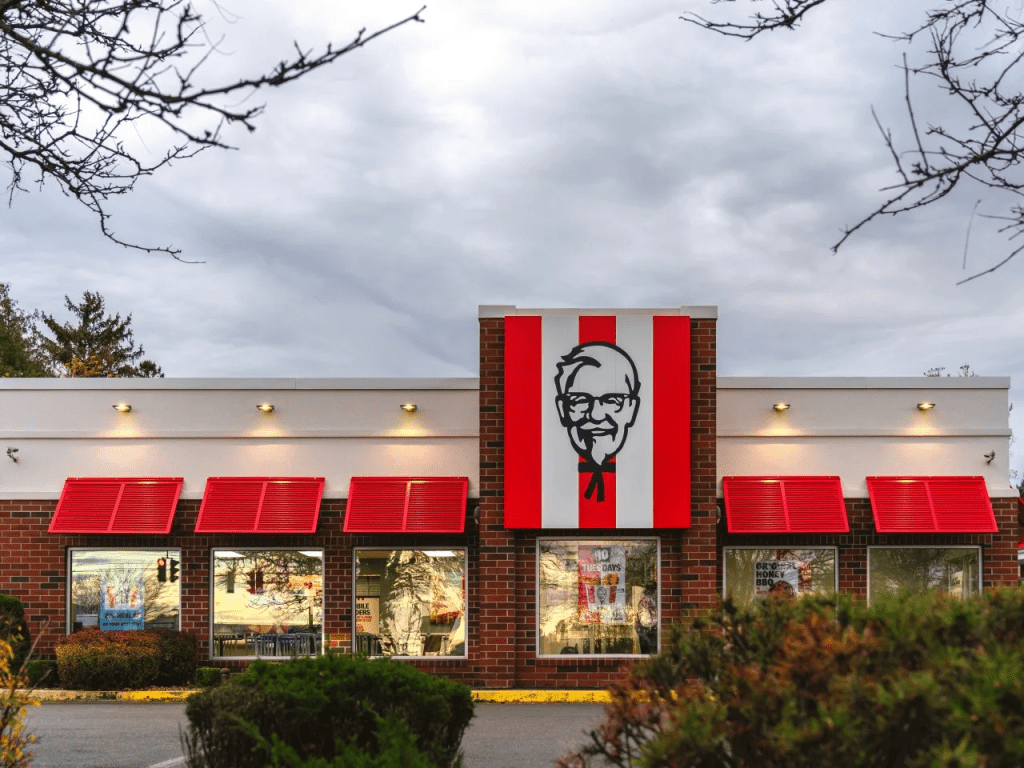
From a Roadside Restaurant to a Global Brand
The KFC story began during the Great Depression when Harland Sanders operated a small service station in Corbin, Kentucky. While serving travelers, he began cooking meals for customers and quickly earned a reputation for his fried chicken. After years of experimenting, Sanders perfected his famous blend of 11 herbs and spices along with a pressure-frying method that reduced cooking time while maintaining quality.
As new highways diverted traffic away from his restaurant, Sanders faced a difficult decision. Rather than opening another restaurant from scratch, he began traveling across the country offering restaurant owners the right to sell his chicken recipe in exchange for a small royalty. This became one of the earliest examples of modern restaurant franchising.
The concept grew rapidly because restaurant owners could add KFC’s chicken to their existing businesses without building an entirely new brand. By the 1960s, KFC had become an international success. Although Sanders eventually sold the company, he remained the face of the brand for years, helping establish one of the most recognizable identities in the restaurant industry.
My Go-To Order
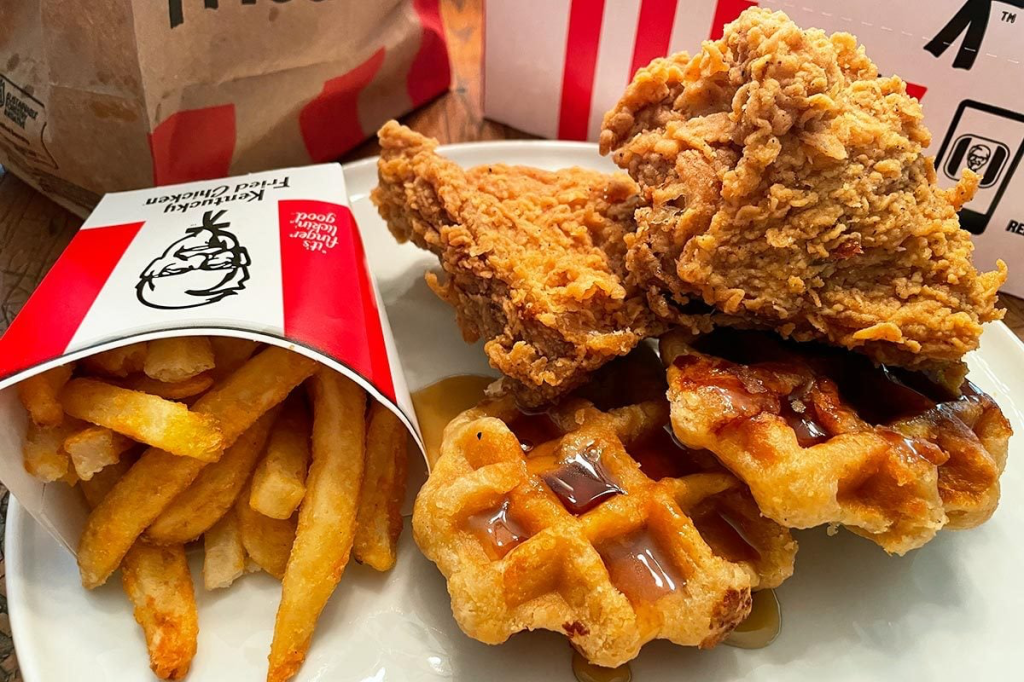
When diving into a business, you’ve got to taste the product, right? Here are the items I usually order from KFC and why I think they’ve become customer favorites.
Chicken Sandwich: This is usually my order. The chicken is crispy, flavorful, and surprisingly competitive with other major chicken chains. Products like this allow KFC to compete in one of the fastest-growing categories in fast food while still highlighting its expertise in fried chicken.
Original Recipe Chicken: You can’t talk about KFC without mentioning the product that started it all. The Original Recipe remains the company’s signature menu item and demonstrates how one great product can support an entire global business.
Mashed Potatoes with Gravy: This has always been one of my favorite sides because it complements almost every meal. Signature side dishes help restaurants increase average order value while strengthening the overall dining experience.
Biscuit: KFC’s biscuits are another staple that customers often add to complete their meals. Small menu items like these contribute significantly to restaurant profitability while reinforcing the brand’s Southern roots.
The Business Behind the Billions
Building a Brand Around One Signature Product
Many restaurant chains constantly introduce new menu items in an effort to stay relevant. KFC took a different approach. From the very beginning, the company built its reputation around one product: fried chicken.
By focusing on a signature recipe, KFC created a product that customers immediately associated with the brand. The famous blend of 11 herbs and spices became one of the company’s greatest competitive advantages because it was difficult for competitors to replicate. Instead of overwhelming customers with endless choices, KFC gave them one product they could consistently rely on.
This strategy highlights an important lesson for entrepreneurs. A business doesn’t always need dozens of products to succeed. Sometimes one exceptional product is enough to build an entire company.
Franchising Across the World
KFC was one of the pioneers of restaurant franchising. Rather than opening every location itself, the company partnered with local business owners who understood their markets while following KFC’s operating standards.
Franchising allowed KFC to expand much faster than would have been possible through company-owned restaurants alone. At the same time, standardized recipes, training programs, and operational procedures helped maintain consistency across thousands of locations.
Today, KFC’s international presence is one of its greatest strengths. The company has successfully entered markets around the world by combining standardized operations with local market knowledge.
Adapting to Local Markets
Although KFC’s core product remains the same, its menus often look very different depending on the country. In Japan, KFC has become closely associated with Christmas celebrations. In India, restaurants offer more vegetarian options. Other countries feature locally inspired flavors and side dishes that better match regional tastes.
This balance between consistency and flexibility has been one of KFC’s greatest competitive advantages. Customers recognize the brand wherever they travel, but they also find menu items that reflect local preferences.
Businesses expanding internationally often face the challenge of maintaining their identity while respecting different cultures. KFC demonstrates that companies can successfully do both.
The Power of Personal Branding
Few founders have become as closely associated with their companies as Colonel Sanders. Even after selling KFC, Sanders continued appearing in advertisements, meeting franchise owners, and promoting the brand around the world.
His white suit, black string tie, and friendly personality became symbols of quality and authenticity. Decades after his death, Colonel Sanders remains the face of KFC through advertising campaigns and updated marketing efforts.
Personal branding can create tremendous value when customers trust the individual behind a company. Colonel Sanders helped transform KFC from another restaurant into a brand with a memorable story.
Consistency Creates Trust
Whether customers visit a KFC in Kentucky or another continent, they expect a similar experience. That consistency comes from detailed operational procedures, standardized recipes, and rigorous quality control.
Consistency may not sound exciting, but it’s one of the most valuable assets any business can develop. Customers return because they know what to expect. Every positive experience reinforces trust, and trust leads to loyalty.
KFC’s success shows that maintaining high standards across thousands of restaurants can become a powerful competitive advantage.
Lessons From KFC for Aspiring Entrepreneurs
Strategy | What It Teaches |
|---|---|
| Signature Product | One great product can build an entire business |
| Franchising | Strategic partnerships can fuel rapid expansion |
| Global Adaptation | Stay consistent while respecting local markets |
| Personal Branding | People often connect with the founder as much as the company |
Final Thoughts
KFC’s success wasn’t built overnight, and it certainly wasn’t built by following a conventional path. Colonel Sanders demonstrated that persistence, quality, and a willingness to adapt can create opportunities at any stage of life. His story continues to inspire entrepreneurs because it proves that setbacks don’t have to define the future.
KFC also reminds us that businesses don’t need to reinvent themselves every few years to remain successful. By protecting its signature recipe, expanding through franchising, and adapting thoughtfully to new markets, the company has remained one of the most recognizable restaurant brands in the world for decades.
Up next on Business Bites: Popeyes. We’ll explore how one chicken sandwich sparked one of the biggest marketing moments in fast-food history and helped transform an already successful brand into an even stronger competitor.
Want more bites of business?
Subscribe to get every new post delivered straight to your inbox.
Sources:
- Our History – Subway Official Website
- Leadership – Subway Official Website
- How Fred DeLuca Built Subway – Subway Official Website
- 2024 Facts and Figures – Subway
- Subway’s Franchise Model and Global Growth – Restaurant Business Online
- How Subway Is Reinventing Its Brand – QSR Magazine
- Subway Statistics and Industry Data – Statista Research Department
- The Story of Fred DeLuca and Subway – Entrepreneur Magazine
- Subway’s Turnaround Strategy – Forbes Contributors
- How Subway Changed the Sandwich Industry – Franchise Times
 Business Bites
Leave a comment