Welcome to Business Bites, the blog where food meets business strategy, and where every bite tells a story about what makes the biggest restaurant chains tick. If you’ve ever wondered why some restaurants become household names while others remain local favorites, you’re in the right place.
This series explores the decisions that transformed small restaurants into billion-dollar businesses. Every company has a unique story, and each one offers lessons in leadership, marketing, operations, and growth. Along the way, I’ll also share some of my favorite menu items because understanding the product is just as important as understanding the business behind it.
Today’s spotlight is on the pizza chain that built its empire around affordability, convenience, and one of the simplest but most effective ideas in fast food: Little Caesars.
Part 16 – Little Caesar’s
When most people think about pizza chains, they probably think of delivery. Domino’s built its reputation around fast delivery, and Pizza Hut became famous for dine-in experiences and stuffed crust innovations.
Little Caesars took a different route.
Instead of focusing primarily on delivery, the company asked a simple question: what if customers could walk in and immediately leave with a pizza? That idea eventually became the famous “Hot-N-Ready” strategy, and it completely changed the company’s trajectory.
At first glance, Little Caesars seems like a simple value brand. But once you look deeper, you realize the company is actually one of the most operationally efficient restaurant businesses in the industry.
From One Store to a Global Brand
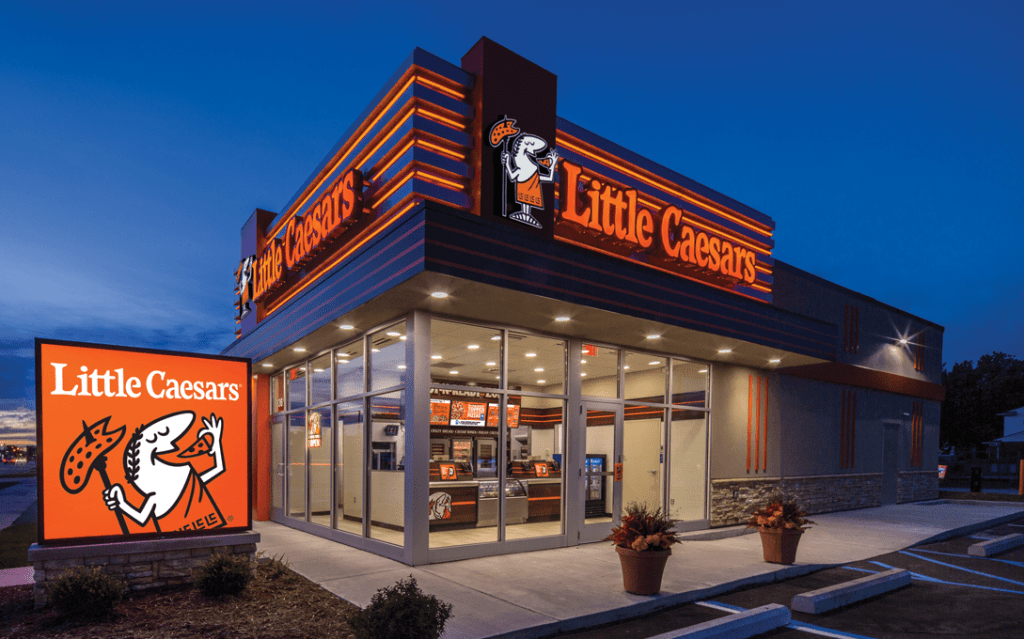
Little Caesars was founded in 1959 by Mike and Marian Ilitch in Garden City, Michigan. The couple invested their savings into opening a small pizza restaurant, naming it after Mike’s nickname, “Little Caesar.”
The business grew steadily throughout the 1960s and 1970s, eventually embracing franchising as a way to expand. Over time, Little Caesars developed a reputation for affordability and convenience, helping it compete against much larger rivals.
One thing that stood out to me while researching the company was how involved Mike Ilitch remained in both the business and the community. Beyond building a successful restaurant chain, he quietly supported countless charitable causes and helped many people without seeking public attention.
Today, Little Caesars operates thousands of locations around the world and remains one of the largest pizza chains globally
My Go-To Order
When diving into a business, you’ve got to taste the product, right? Here are the items I usually order from Little Caesars and why I think they’ve become customer favorites.
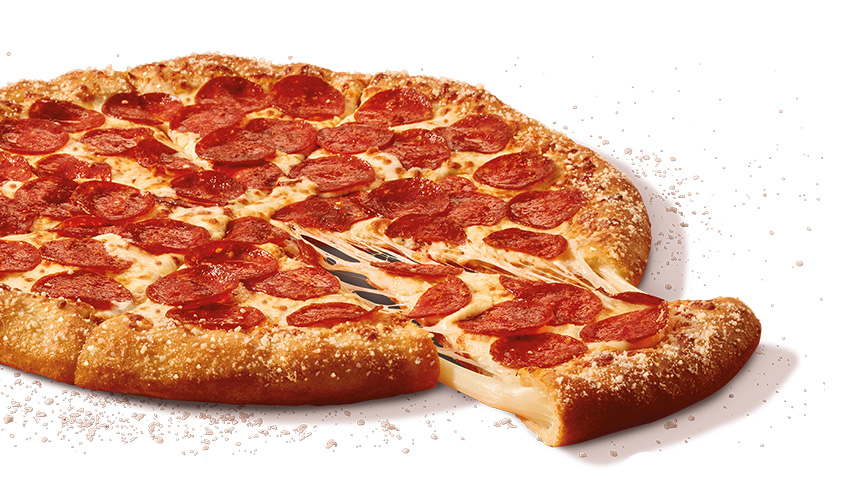
Classic Pepperoni Pizza: Sometimes simple is best. This is usually my order because it perfectly represents what Little Caesars does well: affordable pizza that’s ready quickly. The fact that you can often walk in and leave with a pizza within minutes is a major part of the appeal.
Crazy Bread: Honestly, I think this might be one of the most underrated items in fast food. The garlic butter and parmesan seasoning make it incredibly addictive, and it’s become almost as iconic as the pizza itself.
Italian Cheese Bread: If I’m eating with family or friends, this is usually an easy addition. It feels a little more premium while still fitting within the company’s value-focused model.
Caesar Wings: Wings help Little Caesars increase the average order size while allowing customers to build a more complete meal experience.
The Business Behind the Billions
Winning Through Convenience
One of the biggest reasons for Little Caesars’ success is convenience.
Most pizza chains require customers to order ahead and wait for their food to be prepared. Little Caesars eliminated much of that waiting process with its Hot-N-Ready model. Customers could simply walk in, grab a pizza, and leave.
It sounds incredibly simple now, but it was actually a very smart operational decision. Reducing wait times improved customer satisfaction while also allowing restaurants to serve more people during busy periods.
Sometimes innovation doesn’t require complicated technology. Sometimes it simply means making life easier for customers.
Competing on Value
Little Caesars has always positioned itself as one of the most affordable options in the pizza industry.
Rather than trying to compete with gourmet pizza concepts, the company focused on delivering solid products at attractive prices. This strategy made Little Caesars especially appealing to families, students, and customers looking for convenient meals without spending too much.
Competing on value can be challenging because margins are often smaller. However, when paired with efficient operations and high sales volume, it can become an extremely powerful business model.
Little Caesars demonstrates that companies don’t always need to be the premium option to become successful.
Operational Efficiency
What I find particularly interesting about Little Caesars is how much of its success comes down to operations.
A relatively simple menu, standardized products, and efficient kitchen processes allow restaurants to prepare pizzas quickly and consistently. This operational efficiency makes the Hot-N-Ready system possible.
The company also benefits from strong vertical integration through its distribution systems, helping maintain consistency across locations and keeping costs under control.
Operational efficiency isn’t always exciting to talk about, but it’s often one of the biggest drivers of long-term business success.
Franchising and Scalable Growth
Like many successful restaurant chains, Little Caesars expanded rapidly through franchising.
Franchising allowed the company to grow internationally without needing to invest all of its own capital into every new location. Franchise owners brought local knowledge and financial resources while still operating under standardized company systems.
The challenge with franchising is maintaining consistency as the company grows. Little Caesars has largely succeeded by keeping its concept relatively simple and easy to replicate.
This is another reminder that scalability matters. Businesses often grow faster when their systems are straightforward and repeatable.
Building an Iconic Brand
Few restaurant slogans are as recognizable as “Pizza! Pizza!”
The phrase is simple, memorable, and immediately associated with Little Caesars. Combined with the Roman mascot and orange branding, it helped create a strong identity that customers instantly recognize.
Branding may seem secondary compared to product quality or operations, but it plays a major role in customer recall. People are much more likely to choose businesses they recognize and remember.
Little Caesars built a brand that feels approachable, affordable, and convenient, which aligns perfectly with its overall strategy.
Lessons From Little Caesar’s for Aspiring Entrepreneurs
Strategy | What It Teaches |
|---|---|
| Convenience | Making life easier for customers can become a major competitive advantage |
| Value Positioning | You don’t always need to be premium to succeed |
| Operational Efficiency | Strong systems often drive long-term profitability |
| Franchising | Scalable models can accelerate growth |
Final Thoughts
Little Caesars may not always receive the same attention as some of its competitors, but its business story is incredibly impressive. Through convenience, affordability, and operational discipline, the company built one of the largest pizza chains in the world.
Its success is also a reminder that innovation doesn’t always need to be flashy. The Hot-N-Ready concept was a relatively simple idea, but it solved a real customer problem and created a meaningful competitive advantage.
For entrepreneurs, there is an important lesson here: sometimes the biggest opportunities come from making existing experiences faster, easier, and more convenient.
Up next on Business Bites: Dunkin’. We’ll explore how a company that started as a donut shop gradually transformed itself into one of the largest coffee brands in the world.
Want more bites of business?
Subscribe to get every new post delivered straight to your inbox.
Sources:
- Our History – Little Caesars Official Website
- The Story of Mike and Marian Ilitch – Ilitch Companies
- Little Caesars Franchise Information
- How Hot-N-Ready Changed the Pizza Industry – Restaurant Business Online
- Little Caesars’ Growth and Value Strategy – QSR Magazine
- Little Caesars Statistics and Industry Data – Statista Research Department
- Mike Ilitch’s Legacy and Quiet Philanthropy – Forbes Contributors
- How Little Caesars Became a Global Pizza Brand – Entrepreneur Magazine
- Little Caesars and the Power of Convenience – CNBC Restaurants Coverage
- Little Caesars Franchise Success Story – Franchise Times
 Business Bites
Leave a comment