Welcome to Business Bites, the blog where food meets business strategy, and where every bite tells a story about what makes the biggest restaurant chains tick. If you’ve ever wondered why some restaurants become household names while others remain local favorites, you’re in the right place.
This series explores the decisions that transformed small restaurants into billion-dollar businesses. Every company has a unique story, and each one offers lessons in leadership, marketing, operations, and growth. Along the way, I’ll also share some of my favorite menu items because understanding the product is just as important as understanding the business behind it.
Today’s spotlight is on one of the most recognizable sandwich chains in America: Arby’s.
Part 29 – Arby’s
When most people think about fast food, burgers and chicken usually come to mind first. Arby’s took a completely different approach. Rather than competing directly with chains like McDonald’s and Burger King, the company built its identity around roast beef sandwiches, eventually becoming one of the largest sandwich chains in the United States.
What makes Arby’s particularly interesting is that its biggest strength has always been differentiation. Instead of trying to beat competitors at their own game, the company created its own category within fast food.
By focusing on premium meats, memorable marketing, and constant menu innovation, Arby’s transformed itself from a small Ohio sandwich shop into a global restaurant brand. Its story demonstrates that businesses don’t always need to follow the crowd to become successful.
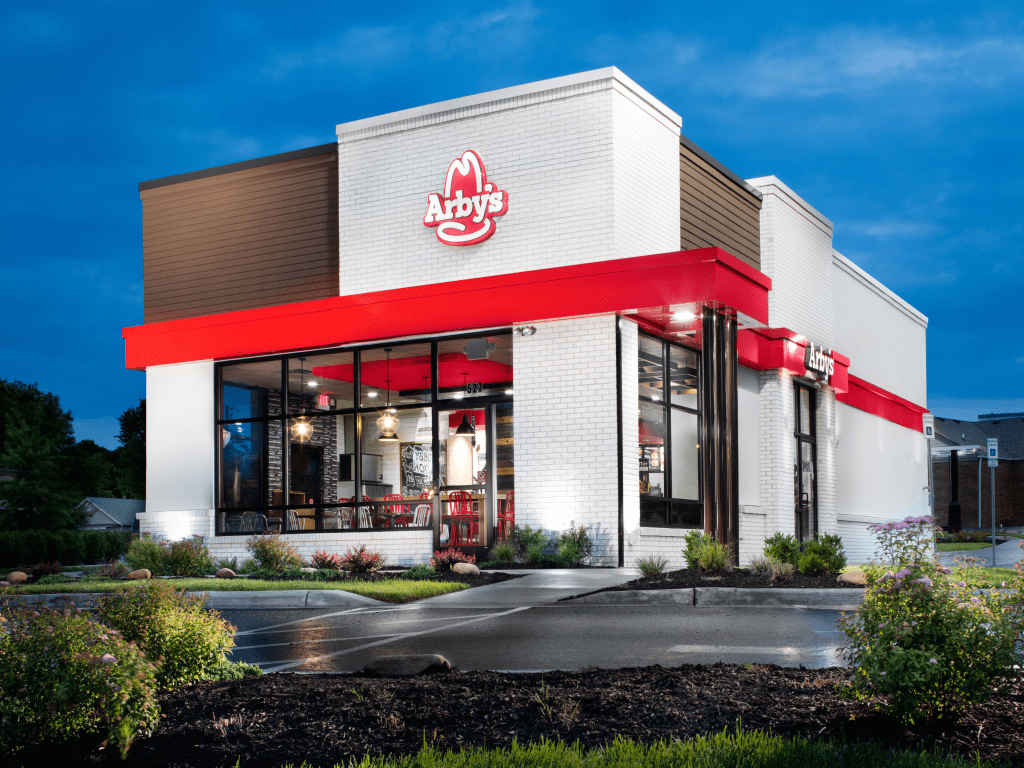
From a Small Ohio Sandwich Shop to a Household Name
Arby’s was founded in 1964 by brothers Forrest and Leroy Raffel in Boardman, Ohio. Before opening the restaurant, the brothers owned a food-service equipment business and spent years observing the restaurant industry. They noticed that hamburgers dominated fast food, but very few chains focused on higher-quality sandwiches.
Rather than opening another burger restaurant, the brothers decided to specialize in freshly sliced roast beef sandwiches. Although roast beef was more expensive than hamburger meat, they believed customers would be willing to pay slightly higher prices for something that felt different and more premium.
The idea proved successful. As new locations opened across the country, Arby’s became known for offering sandwiches that stood apart from traditional fast-food menus. Over time, the company expanded beyond roast beef by adding turkey, brisket, chicken, gyros, and other premium meats while still keeping sandwiches at the center of the business.
A major turning point came when Arby’s became part of Inspire Brands, one of the largest restaurant groups in the world. Operating alongside brands such as Buffalo Wild Wings, Dunkin’, Sonic, Jimmy John’s, and Baskin-Robbins gave Arby’s access to greater resources while allowing it to continue strengthening its own identity.
Looking back, Arby’s success wasn’t built by following industry trends. Instead, it succeeded by offering something customers couldn’t easily find elsewhere.
My Go-To Order
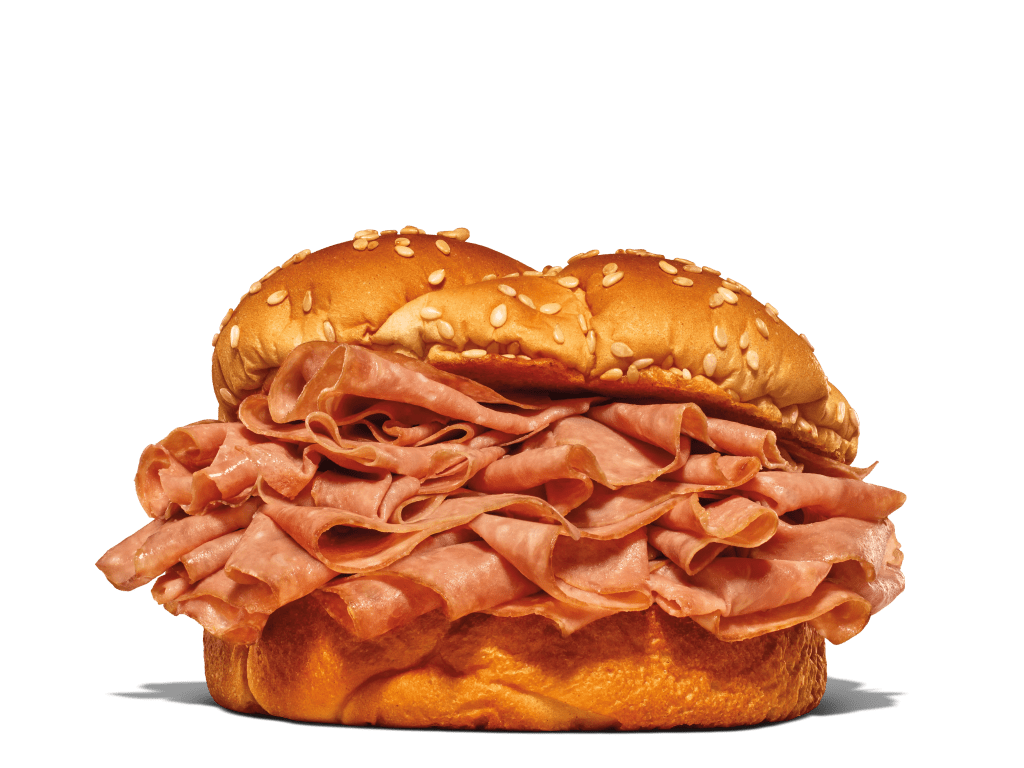
When diving into a business, you’ve got to taste the product, right? Here are the items I usually order from Arby’s and why I think they’ve become customer favorites.
Classic Roast Beef: This is usually my order because it’s the sandwich that built the entire company. It highlights Arby’s commitment to specializing in one product and doing it consistently well rather than offering dozens of similar menu items.
Curly Fries: These have become almost as recognizable as the roast beef sandwiches themselves. Signature side items help strengthen a brand’s identity and encourage customers to choose one restaurant over another.
Jamocha Shake: Desserts often carry high profit margins, and Arby’s has turned the Jamocha Shake into one of its signature menu items. Unique products like this help increase average order values while giving customers another reason to return.
Mozzarella Sticks: Premium sides expand the menu without distracting from the company’s core focus. They also provide opportunities for customers to customize meals and spend slightly more during each visit.
The Business Behind the Billions
Winning Through Differentiation
One of the biggest reasons Arby’s has remained successful is because it chose not to compete directly with the largest burger chains. While competitors focused on hamburgers, Arby’s built its identity around roast beef and premium sandwiches. That decision immediately gave customers a clear reason to visit Arby’s instead of another fast-food restaurant.
Businesses often struggle when they become too similar to everyone else. Arby’s demonstrates that standing out can be a far more effective strategy than trying to outperform competitors at exactly the same thing.
Building a Brand Around Premium Products
From the beginning, Arby’s positioned itself as a slightly more premium fast-food option. Roast beef sandwiches cost more to produce than traditional hamburgers, but they also allowed the company to justify higher prices while creating a perception of higher quality.
Customers are often willing to spend more when they believe they’re receiving something unique. By consistently emphasizing premium meats and freshly prepared sandwiches, Arby’s carved out a position that was difficult for competitors to copy.
Memorable Marketing
Few restaurant slogans have been as recognizable as “We Have the Meats.” Combined with bold advertising campaigns and humorous commercials, Arby’s created a marketing strategy that reinforced exactly what the company wanted customers to remember.
Strong marketing isn’t simply about being funny or creative. It should reinforce the brand’s core value proposition. Every major Arby’s campaign reminds customers that the restaurant specializes in meat-based sandwiches, strengthening the brand with every advertisement.
Expanding Without Losing Focus
Although Arby’s has expanded its menu significantly over the years, it has largely stayed true to its core identity. New products like brisket sandwiches, gyros, and chicken sandwiches all fit naturally within the company’s broader focus on premium meats.
Many restaurant chains struggle after adding too many unrelated menu items. Arby’s has generally done a good job expanding carefully while preserving the identity that made the brand successful in the first place.
The Power of Strategic Ownership
Becoming part of Inspire Brands gave Arby’s access to one of the largest restaurant companies in the world. Inspire’s portfolio includes several major restaurant chains, allowing the company to share expertise, technology, and operational resources across multiple brands.
Sometimes growth doesn’t come from changing the product itself. Instead, it comes from joining an organization that provides better tools, stronger leadership, and greater scale.
Lessons From Arby’s for Aspiring Entrepreneurs
Strategy | What It Teaches |
|---|---|
| Differentiation | Standing out is often more valuable than blending in. |
| Premium Positioning | Customers will often pay more for products they perceive as higher quality. |
| Marketing | Strong branding reinforces why customers should choose your business. |
| Focused Innovation | Expand carefully without losing your core identity. |
Final Thoughts
Arby’s story is a reminder that businesses don’t always need to compete in the largest category to become successful. Sometimes the best strategy is creating your own space in the market and becoming known for something unique.
By focusing on premium meats, memorable branding, and thoughtful expansion, Arby’s transformed itself from a small sandwich shop into one of America’s largest restaurant chains. Its success wasn’t built on copying competitors but on giving customers a compelling reason to choose something different.
What I find particularly interesting is how consistent the company’s identity has remained over the decades. Even as the menu has expanded and ownership has changed, Arby’s has continued emphasizing the same core idea that helped launch the business in 1964.
For entrepreneurs, there is an important lesson here. The businesses that stand out are often the ones willing to build their own category instead of fighting for attention in someone else’s.
Want more bites of business?
Subscribe to get every new post delivered straight to your inbox.
Sources:
- Arby’s Official Website – Our StoryInspire Brands – Our Brands (Arby’s)
- Encyclopaedia Britannica – Arby’s
- Restaurant Business – Arby’s News & Analysis
- QSR Magazine – Arby’s Coverage
- Forbes – Arby’s and Inspire Brands Coverage
- Entrepreneur – Arby’s Franchise Profile
- Technomic – Restaurant Industry Insights
- Statista – Arby’s Statistics and Market Data
- Nation’s Restaurant News – Arby’s Coverage
 Business Bites
Leave a comment