Welcome to Business Bites, the blog where food meets business strategy, and where every bite tells a story about what makes the biggest restaurant chains tick. If you’ve ever wondered why some restaurants become household names while others remain local favorites, you’re in the right place.
This series explores the decisions that transformed small restaurants into billion-dollar businesses. Every company has a unique story, and each one offers lessons in leadership, marketing, operations, and growth. Along the way, I’ll also share some of my favorite menu items because understanding the product is just as important as understanding the business behind it.
Today’s spotlight is on one of the most recognizable pizza chains in the world:
Pizza Hut.
Part 30 – Pizza Hut
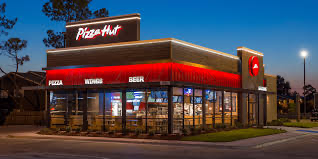
Long before food delivery apps and online ordering became part of everyday life, Pizza Hut had already established itself as one of the world’s largest pizza companies. For decades, its distinctive red roof restaurants became landmarks in communities across America, helping transform pizza from an occasional treat into one of the country’s favorite meals.
What makes Pizza Hut particularly fascinating is that it wasn’t simply selling pizza. The company was creating an experience. Families celebrated birthdays there, sports teams gathered after games, and Friday nights often ended around one of its buffet tables. That emotional connection helped Pizza Hut become more than just another restaurant.
Although competition has intensified over the years, Pizza Hut remains one of the largest pizza chains in the world. Its ability to adapt to changing consumer habits while maintaining global brand recognition offers valuable lessons for entrepreneurs in every industry.
From a Small Kansas Pizza Shop to a Global Icon
Pizza Hut was founded in 1958 by brothers Dan and Frank Carney in Wichita, Kansas. With only $600 borrowed from their mother, they rented a small building near Wichita State University and opened a neighborhood pizza restaurant. The storefront sign had room for only eight letters, leading them to choose the simple name “Pizza Hut.”
Business grew quickly as pizza became increasingly popular across the United States. Rather than relying solely on company-owned restaurants, Pizza Hut expanded through franchising, allowing local entrepreneurs to invest in new locations while helping the brand spread nationwide at an impressive pace.
Throughout the 1970s and 1980s, Pizza Hut became synonymous with dine-in pizza restaurants. The iconic red roofs, stained-glass lamps, and family-friendly atmosphere distinguished the chain from competitors. For many customers, visiting Pizza Hut was as much about the experience as it was about the food.
As consumer preferences shifted toward delivery and carryout, the company invested heavily in digital ordering, mobile apps, and delivery operations. While its restaurants evolved, Pizza Hut continued adapting to meet customers wherever they preferred to enjoy their meals.
Today, Pizza Hut operates in more than 100 countries, making it one of the most globally recognized restaurant brands in existence.
My Go-To Order
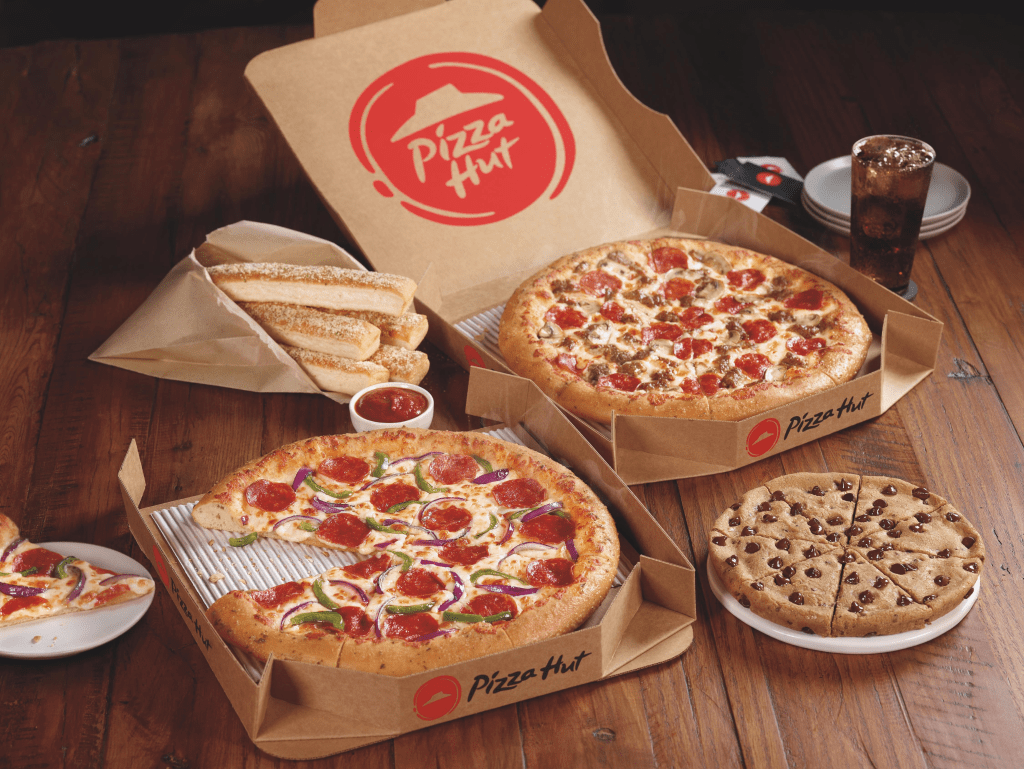
When diving into a business, you’ve got to taste the product, right? Here are the items I usually order from Pizza Hut and why I think they’ve remained customer favorites.
Personal Pan Pizza: This is usually my order because it’s one of Pizza Hut’s signature products. The smaller size makes it accessible to individual customers while reinforcing the company’s reputation for thick, buttery crusts.
Breadsticks: Breadsticks have become one of Pizza Hut’s most successful add-on products. They complement nearly every meal while helping increase the average order value.
Boneless Wings: Expanding beyond pizza allows Pizza Hut to compete for larger group meals. Wings attract customers who may not have otherwise considered ordering from a pizza restaurant.
Cinnabon Mini Rolls: Desserts encourage customers to complete their meals while providing the restaurant with another high-margin menu category.
Overall, my order reflects Pizza Hut’s strategy of building an entire meal around its core product rather than relying on pizza alone.
The Business Behind the Billions
Growing Through Franchising
Pizza Hut expanded rapidly because it embraced franchising early in its history. Instead of funding thousands of restaurants itself, the company partnered with franchise owners who invested their own capital while following Pizza Hut’s operating system.
This model allowed the brand to scale much faster than would have been possible through corporate ownership alone. Today, franchising remains one of the primary reasons many restaurant companies can achieve global growth while limiting capital requirements.
Creating an Experience, Not Just a Meal
For decades, Pizza Hut stood apart because it emphasized the dining experience. Its restaurants were designed to be gathering places where families and friends could spend time together rather than simply picking up food.
That emotional connection created customer loyalty that extended beyond the product itself. Businesses often gain a competitive advantage when customers remember how they felt, not just what they purchased.
Adapting to Changing Consumer Habits
As delivery became increasingly popular, Pizza Hut recognized that customers wanted convenience just as much as quality. The company invested in online ordering, mobile technology, and delivery infrastructure to remain competitive in an evolving industry.
Businesses that succeed over long periods rarely stay the same. They continuously adapt to changing customer expectations while preserving the strengths that built the brand in the first place.
Expanding the Menu Strategically
Although pizza remains the centerpiece of the business, Pizza Hut has steadily expanded into wings, pasta, desserts, and appetizers. These additions encourage larger orders while allowing the company to compete in more meal occasions.
Successful menu innovation isn’t about adding products endlessly. It’s about introducing items that naturally complement the core business and create more value for customers.
Building One of the World’s Most Recognizable Restaurant Brands
Few restaurant logos are as recognizable as Pizza Hut’s red roof. Consistent branding across restaurants, advertising, packaging, and digital platforms has helped the company establish a global identity that customers immediately recognize.
Strong branding reduces the effort customers spend deciding where to eat. When consumers already trust a brand, they’re more likely to return without considering as many alternatives.
Lessons From Panera Bread for Aspiring Entrepreneurs
Strategy | What It Teaches |
|---|---|
| Franchising | Strategic partnerships can accelerate growth while reducing capital requirements. |
| Customer Experience | Great experiences create loyalty beyond the product itself. |
| Adaptability | Businesses must evolve as consumer preferences change. |
| Complementary Products | Expanding thoughtfully can increase revenue without distracting from the core offering. |
Final Thoughts
Pizza Hut’s story demonstrates that lasting success requires more than simply offering a good product. The company built an internationally recognized brand by combining smart franchising, memorable customer experiences, and a willingness to evolve alongside changing consumer habits.
While the restaurant industry has become increasingly competitive, Pizza Hut has remained one of its most recognizable names by continually adapting without abandoning the qualities that made customers love the brand in the first place.
For entrepreneurs, one lesson stands out above all others. Markets will inevitably change, customer expectations will shift, and new competitors will emerge. The businesses that endure are the ones that remain flexible while staying true to the core value that originally made them successful.
Want more bites of business?
Subscribe to get every new post delivered straight to your inbox.
Sources
- Pizza Hut – Our Story
- Yum! Brands – Pizza Hut Brand Overview
- Encyclopaedia Britannica – Pizza Hut
- Restaurant Business – Pizza Hut News & Analysis
- QSR Magazine – Pizza Hut Coverage
- Forbes – Pizza Hut and Yum! Brands Coverage
- Entrepreneur – Pizza Hut Franchise Profile
- Technomic – Restaurant Industry Insights
- Statista – Pizza Hut Statistics and Market Data
- Nation’s Restaurant News – Pizza Hut Coverage
 Business Bites
Leave a comment