Welcome to Business Bites, the blog where food meets business strategy, and where every bite tells a story about what makes the biggest restaurant chains tick. If you’ve ever wondered why some restaurants become household names while others remain local favorites, you’re in the right place.
This series explores the decisions that transformed small restaurants into billion-dollar businesses. Every company has a unique story, and each one offers lessons in leadership, marketing, operations, and growth. Along the way, I’ll also share some of my favorite menu items because understanding the product is just as important as understanding the business behind it.
Today’s spotlight is on one of the most unique fast-food brands in America:
Jack in the Box
Part 31 – Jack in the Box
In an industry where many restaurants focus on doing one thing well, Jack in the Box built its reputation by doing almost everything. Burgers, tacos, chicken sandwiches, breakfast, milkshakes, egg rolls, and late-night snacks all coexist on one menu, giving customers an unusually wide range of choices.
That approach might sound unfocused, but it became one of the company’s greatest strengths. Instead of limiting itself to one type of customer or one time of day, Jack in the Box positioned itself as the restaurant that could satisfy almost any craving, whether it was breakfast before work or tacos at midnight.
Over the decades, the company has experienced rapid expansion, serious setbacks, and multiple reinventions. Through each challenge, it has managed to remain one of the country’s largest burger chains by embracing change rather than resisting it.
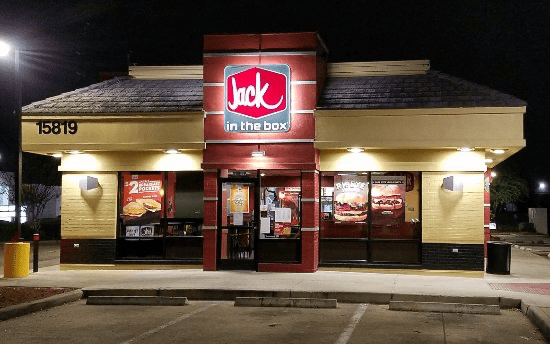
From a Drive-Thru Experiment to a National Chain
Jack in the Box was founded in 1951 by Robert O. Peterson in San Diego, California. At a time when most restaurants emphasized sit-down dining, Peterson believed convenience would become increasingly important as car ownership expanded across the United States.
The restaurant introduced an innovative drive-thru ordering system that allowed customers to place orders through an intercom without leaving their vehicles. While that may seem ordinary today, it was a novel concept at the time and helped establish Jack in the Box as an early leader in quick-service convenience.
As the chain expanded throughout the western United States, it developed a reputation for offering a broader menu than many competitors. Rather than limiting customers to burgers and fries, Jack in the Box continuously introduced new products that appealed to different tastes and eating occasions.
The company’s history hasn’t always been smooth. A major food safety crisis in the early 1990s forced Jack in the Box to completely overhaul its operations and quality-control systems. Although the incident significantly damaged the brand in the short term, the company responded by implementing some of the restaurant industry’s most rigorous food safety standards.
Today, Jack in the Box continues operating thousands of restaurants while serving customers across the country with one of the industry’s most diverse menus.
My Go-To Order
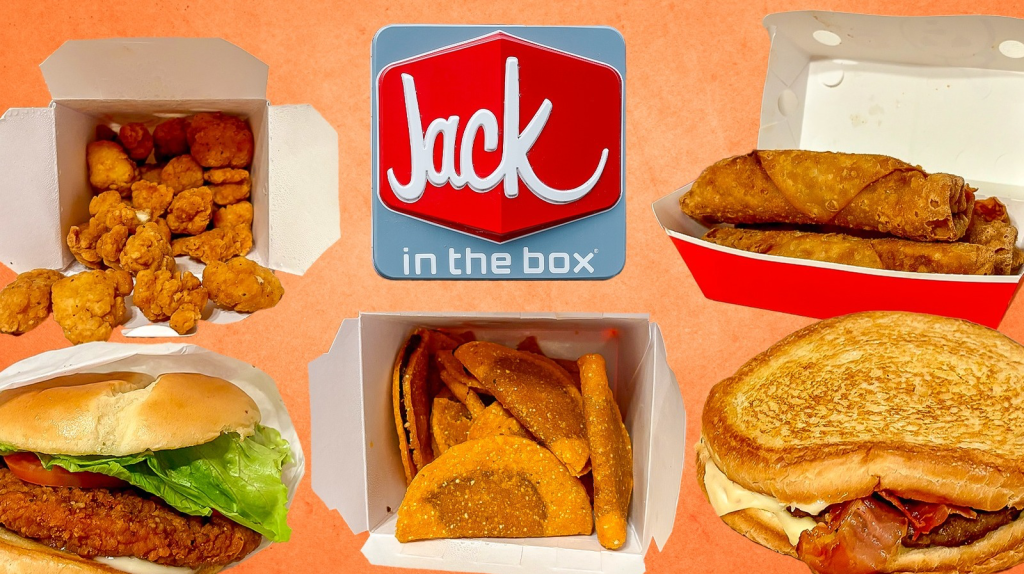
When diving into a business, you’ve got to taste the product, right? Here are the items I usually order from Jack in the Box and why I think they’ve become customer favorites.
Sourdough Jack: This is usually my order because it highlights one of the company’s strengths—offering burgers that feel slightly different from what customers find at most fast-food chains.
Curly Fries: Signature side items help create brand recognition and encourage repeat visits. Jack in the Box’s seasoned curly fries have become one of its most recognizable menu offerings.
Tiny Tacos: Rather than copying competitors, Jack in the Box introduced unique products that helped distinguish the brand. Tiny Tacos became a viral menu item and attracted both new and returning customers.
Oreo Shake: Desserts increase average order values while giving customers another reason to complete their meal instead of visiting another restaurant afterward.
Overall, my order reflects Jack in the Box’s willingness to experiment while still maintaining the core products customers expect.
The Business Behind the Billions
Offering Variety Instead of Limitation
Most fast-food chains build their identities around one category. Chick-fil-A focuses on chicken, Domino’s specializes in pizza, and Five Guys is known for burgers. Jack in the Box chose a different path by offering an unusually broad menu that appeals to customers throughout the day.
That variety allows the company to compete in multiple meal occasions without requiring customers to visit another restaurant when they’re craving something different.
Serving Customers Around the Clock
Jack in the Box became closely associated with late-night dining by keeping many locations open 24 hours. College students, shift workers, travelers, and night owls became important customer groups that many competitors weren’t fully serving.
Finding underserved customers can be just as valuable as finding new products. Businesses often grow by identifying needs that larger competitors overlook.
Learning From Crisis
The food safety crisis of 1993 became one of the defining moments in the company’s history. Instead of making only minor changes, Jack in the Box invested heavily in food safety systems, supplier standards, employee training, and quality assurance.
Although the crisis was devastating, the company’s response demonstrated that transparency and meaningful operational improvements can help rebuild trust over time.
Creative Marketing Keeps the Brand Relevant
The fictional character “Jack,” with his oversized white mascot head, has become one of the most recognizable figures in fast-food advertising. His humorous personality helped the company develop memorable marketing campaigns that stood out in a crowded industry.
Strong advertising works best when customers instantly associate it with the brand. Jack in the Box has maintained one of the restaurant industry’s most recognizable mascots for decades.
Innovation Creates New Reasons to Visit
Jack in the Box frequently introduces limited-time menu items, seasonal offerings, and unconventional combinations that generate excitement among customers. These product launches encourage repeat visits because customers know the menu is constantly evolving.
Innovation doesn’t always require inventing an entirely new business. Sometimes introducing fresh ideas within an existing business is enough to keep customers engaged.
Lessons From Jack in the Box for Aspiring Entrepreneurs
Strategy | What It Teaches |
|---|---|
| Menu Variety | Offering multiple solutions can expand your customer base. |
| Serving Niche Markets | Identifying underserved customers creates growth opportunities. |
| Crisis Management | Responding well to setbacks can strengthen a business over time. |
| Memorable Branding | Distinctive marketing helps companies stand out in competitive industries. |
Final Thoughts
Jack in the Box proves that there isn’t just one formula for success in the restaurant industry. Rather than focusing on a narrow specialty, the company built its identity around convenience, variety, and a willingness to experiment with new ideas.
Its history also demonstrates that challenges don’t have to define a business forever. By responding decisively to setbacks and continuing to innovate, Jack in the Box rebuilt customer confidence while remaining one of America’s largest quick-service restaurant chains.
For entrepreneurs, one lesson stands out clearly. Success doesn’t always come from having the simplest business model. Sometimes it comes from understanding your customers well enough to offer them more choices, more convenience, and more reasons to come back.
Want more bites of business?
Subscribe to get every new post delivered straight to your inbox.
Sources
- Jack in the Box – Our Story
- Jack in the Box Investor Relations
- Encyclopaedia Britannica – Jack in the Box
- Restaurant Business – Jack in the Box News & Analysis
- QSR Magazine – Jack in the Box Coverage
- Forbes – Jack in the Box Coverage
- Entrepreneur – Jack in the Box Franchise Profile
- Technomic – Restaurant Industry Insights
- Statista – Jack in the Box Statistics and Market Data
- Nation’s Restaurant News – Jack in the Box Coverage


Leave a Reply