Welcome to Business Bites, the blog where food meets business strategy, and where every bite tells a story about what makes the biggest restaurant chains tick. If you’ve ever wondered why some restaurants become household names while others remain local favorites, you’re in the right place.
This series explores the decisions that transformed small restaurants into billion-dollar businesses. Every company has a unique story, and each one offers lessons in leadership, marketing, operations, and growth. Along the way, I’ll also share some of my favorite menu items because understanding the product is just as important as understanding the business behind it.
Today’s spotlight is on the world’s largest ice cream specialty chain:
Baskin-Robbins
Part 32 – Baskin-Robbins
Most restaurant brands become famous because they serve a great product. Baskin-Robbins certainly does that, but its lasting success comes from something even more powerful—it convinced customers that they should always expect something new.
For decades, the company has been associated with its famous “31 Flavors” slogan, a simple idea that suggested customers could enjoy a different flavor every day of the month. That promise transformed buying ice cream into an experience rather than a routine purchase, helping Baskin-Robbins become one of the most recognizable dessert brands in the world.
Today, the company operates thousands of locations across dozens of countries. While competitors often compete on price or convenience, Baskin-Robbins has continued to stand out by emphasizing variety, seasonal innovation, and memorable customer experiences.
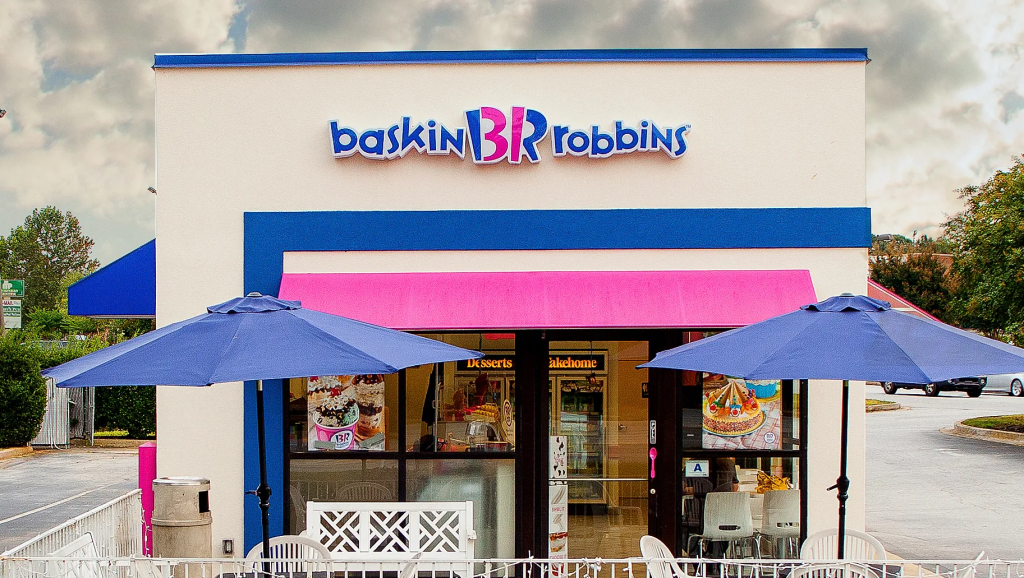
From Two Ice Cream Shops to a Global Brand
The story of Baskin-Robbins began shortly after World War II when brothers-in-law Burt Baskin and Irv Robbins each operated their own ice cream shops in California. Both shared a passion for experimenting with flavors and believed customers wanted more choices than traditional ice cream parlors offered.
In 1945, they combined their businesses and eventually introduced what became one of the most successful marketing ideas in restaurant history: 31 Flavors. Rather than focusing on a handful of best-selling products, Baskin-Robbins encouraged customers to explore something different every time they visited.
The concept helped distinguish the company from nearly every other ice cream shop at the time. As franchising expanded throughout the United States and internationally, the recognizable pink-and-blue branding and extensive flavor selection became synonymous with the Baskin-Robbins name.
Today, Baskin-Robbins is part of Inspire Brands, joining companies such as Dunkin’, Arby’s, Sonic, Jimmy John’s, and Buffalo Wild Wings. Even with changing consumer tastes and increasing competition, the company continues introducing limited-time flavors, specialty cakes, frozen beverages, and seasonal promotions that keep customers coming back.
My Go-To Order
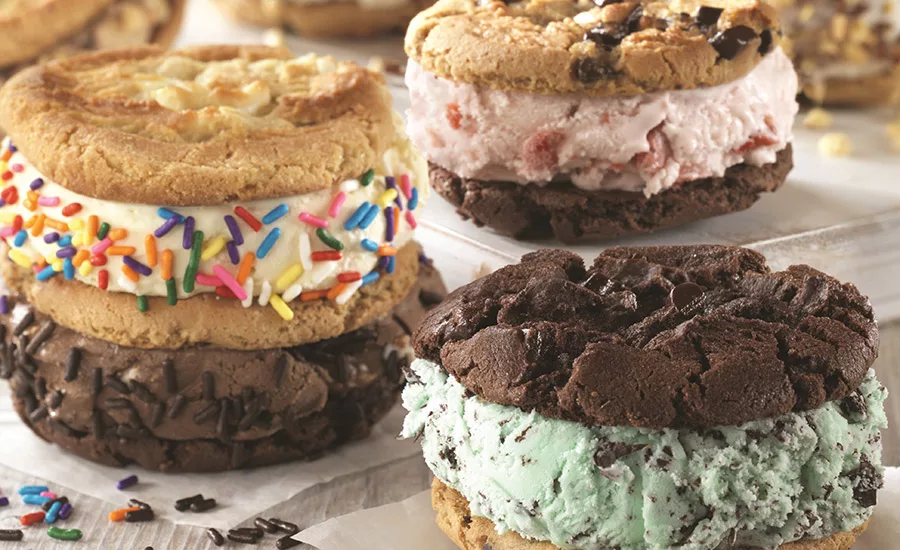
When diving into a business, you’ve got to taste the product, right? Here are the items I usually order from Baskin-Robbins and why I think they’ve remained customer favorites.
Pralines ‘n Cream: This is usually my order because it’s one of the chain’s signature flavors and perfectly represents the premium, indulgent experience Baskin-Robbins is known for.
Chocolate Chip Cookie Dough: Classic flavors remain essential because they attract both loyal customers and first-time visitors. Having familiar options alongside new creations helps the company appeal to a wider audience.
Ice Cream Cake: Cakes allow Baskin-Robbins to generate sales for birthdays, graduations, and celebrations instead of relying solely on walk-in traffic. Expanding into special occasions creates additional revenue streams.
Milkshake: Drinks provide another way to use existing ingredients while increasing the average transaction value. It’s a simple addition that helps maximize each customer visit.
Overall, my order reflects Baskin-Robbins’ biggest strength: offering customers plenty of ways to enjoy the same core product.
The Business Behind the Billions
Turning Variety Into a Competitive Advantage
The “31 Flavors” concept did much more than advertise the menu. It changed how customers thought about visiting an ice cream shop. Instead of ordering the same flavor every time, customers were encouraged to try something new, creating excitement around each visit.
Businesses often compete by improving one product. Baskin-Robbins competed by making customers curious about what they hadn’t tried yet.
Creating Reasons to Return
Limited-time flavors have become one of Baskin-Robbins’ most effective business strategies. Seasonal offerings tied to holidays, popular candies, or collaborations encourage customers to return before the flavors disappear.
Scarcity can be a powerful marketing tool. When customers know a product won’t be available forever, they’re often more motivated to make a purchase sooner rather than later.
Expanding Beyond Scoops
Although ice cream remains the company’s foundation, Baskin-Robbins has steadily expanded into cakes, milkshakes, sundaes, beverages, and frozen desserts. These products increase revenue opportunities while serving different customer occasions throughout the year.
Successful businesses rarely depend on a single revenue source. Finding complementary products allows companies to grow without abandoning what made them successful in the first place.
Building a Franchise Network
Like many of the world’s largest restaurant chains, Baskin-Robbins relied heavily on franchising to fuel expansion. Franchise owners invested in local stores while benefiting from an internationally recognized brand, proven operating systems, and established marketing campaigns.
This model enabled the company to grow into thousands of locations without bearing the full cost of opening every restaurant itself.
Selling an Experience, Not Just Dessert
Ice cream is often connected to birthdays, family outings, celebrations, and vacations. Baskin-Robbins has consistently marketed itself around those positive moments rather than simply promoting individual products.
Customers tend to remember experiences more vividly than transactions. By associating its brand with celebrations and happy memories, Baskin-Robbins strengthened customer loyalty in ways that extended beyond the ice cream itself.
Lessons From Baskin-Robbins for Aspiring Entrepreneurs
Strategy | What It Teaches |
|---|---|
| Product Variety | Giving customers more choices can increase engagement and repeat business. |
| Limited-Time Products | Scarcity encourages customers to act before opportunities disappear. |
| Revenue Diversification | Complementary products create additional income without changing the core business. |
| Franchising | Proven systems make rapid expansion possible. |
Final Thoughts
Baskin-Robbins demonstrates that even a simple product like ice cream can support a global business when it’s paired with thoughtful branding and consistent innovation.
The company didn’t become successful simply because it offered good flavors. It succeeded because it gave customers a reason to come back again and again, whether to try a new seasonal flavor, celebrate a birthday, or continue the tradition of visiting a familiar neighborhood ice cream shop.
For entrepreneurs, one lesson stands out clearly. Businesses that continually create fresh reasons for customers to return often outperform those that rely solely on attracting new customers. Repeat business, fueled by innovation and memorable experiences, can become one of the strongest drivers of long-term growth.
Want more bites of business?
Subscribe to get every new post delivered straight to your inbox.
Sources
- Baskin-Robbins – About Us
- Inspire Brands – Our Brands (Baskin-Robbins)
- Encyclopaedia Britannica – Baskin-Robbins
- Restaurant Business – Baskin-Robbins News & Analysis
- QSR Magazine – Baskin-Robbins Coverage
- Forbes – Baskin-Robbins and Inspire Brands Coverage
- Entrepreneur – Baskin-Robbins Franchise Profile
- Technomic – Restaurant Industry Insights
- Statista – Baskin-Robbins Statistics and Market Data
- Nation’s Restaurant News – Baskin-Robbins Coverage


Leave a Reply