Welcome to Business Bites, the blog where food meets business strategy, and where every bite tells a story about what makes the biggest restaurant chains tick. If you’ve ever wondered why some restaurants become household names while others remain local favorites, you’re in the right place.
This series explores the decisions that transformed small restaurants into billion-dollar businesses. Every company has a unique story, and each one offers lessons in leadership, marketing, operations, and growth. Along the way, I’ll also share some of my favorite menu items because understanding the product is just as important as understanding the business behind it.
Today’s spotlight is on one of the pioneers of the frozen dessert industry: Carvel
Part 39 – Carvel
Innovation doesn’t always come from inventing an entirely new product. Sometimes it comes from recognizing an opportunity that everyone else overlooks. Carvel built an entire business by transforming soft serve from an occasional novelty into a year-round destination for families celebrating birthdays, graduations, holidays, and countless everyday moments.
Long before frozen desserts became a crowded market, Carvel was introducing ideas that would shape the industry for decades. It popularized franchising in the ice cream business, created iconic character cakes, and demonstrated that memorable products could become part of family traditions rather than simple impulse purchases.
Today, Carvel remains one of America’s most recognizable frozen dessert brands, proving that consistency and innovation can keep a business relevant across multiple generations.

From a Broken Truck to an Ice Cream Empire
Carvel’s story began in 1934 with an unexpected setback. Tom Carvel was driving an ice cream truck through Hartsdale, New York, when the vehicle suffered a flat tire. Unable to continue his route, he parked the truck and began selling melting ice cream to passing motorists.
To his surprise, customers enjoyed the softer consistency even more than traditional hard ice cream. Instead of viewing the breakdown as bad luck, Carvel recognized a business opportunity. He opened a permanent roadside stand at the same location and focused on serving freshly made soft serve.
Over the following decades, Tom Carvel became one of the earliest entrepreneurs to aggressively franchise an ice cream concept. His company expanded across the northeastern United States, with stores becoming known for signature cakes, ice cream novelties, and seasonal desserts.
Perhaps no products became more famous than Fudgie the Whale and Cookie Puss, two character cakes that evolved into cultural icons. They demonstrated that desserts could become part of celebrations rather than simply ending a meal.
Today, Carvel operates hundreds of locations and is part of GoTo Foods, alongside Auntie Anne’s, Cinnabon, Jamba, Moe’s Southwest Grill, and several other well-known restaurant brands.
My Go-To Order
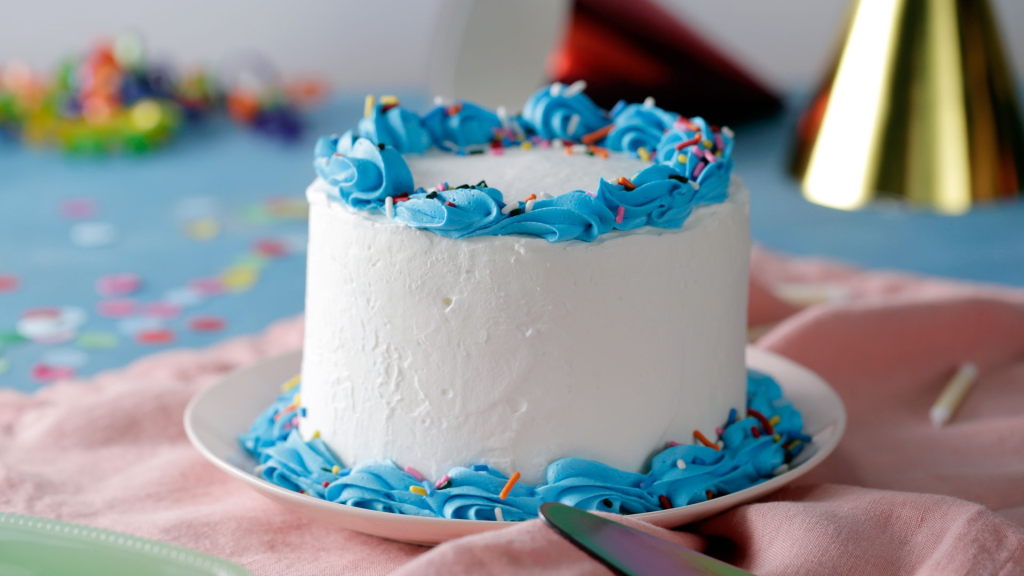
When diving into a business, you’ve got to taste the product, right? Here are the items I usually order from Carvel and why I think they’ve remained customer favorites.
Vanilla Soft Serve with Chocolate Crunchies: This is usually my order because it represents the product that built the company. The famous chocolate crunchies create a texture that has become synonymous with the Carvel brand.
Flying Saucer Ice Cream Sandwich: Few frozen desserts are as recognizable. Signature products like this help differentiate Carvel from competitors that offer similar ice cream flavors.
Fudgie the Whale Cake: This is more than just a dessert—it’s one of the company’s greatest branding successes. By connecting products to birthdays and celebrations, Carvel created repeat purchasing occasions that extend far beyond everyday visits.
Classic Sundae: Sundaes demonstrate how businesses can increase revenue by allowing customers to personalize simple products with additional toppings and mix-ins.
Overall, my order reflects Carvel’s ability to transform straightforward frozen desserts into memorable experiences that customers associate with family celebrations.
The Business Behind the Billions
Turning Products Into Traditions
Many restaurants compete for everyday meals, but Carvel built much of its business around special occasions. Birthday cakes, graduation parties, and family celebrations create recurring demand that isn’t tied to daily eating habits.
Businesses become remarkably resilient when customers associate them with meaningful moments in their lives. Traditions encourage repeat purchases because they become part of annual routines rather than spontaneous decisions.
Pioneering Franchising
Tom Carvel recognized early that local entrepreneurs could help expand the business more quickly than company-owned stores alone. By developing standardized equipment, recipes, and operating procedures, he created one of the country’s earliest successful frozen dessert franchise systems.
Franchising works best when businesses create systems that are easy to replicate while maintaining consistent quality across every location.
Building Memorable Products
Products like Fudgie the Whale aren’t just menu items—they’re recognizable brand assets. Customers often remember these products years after childhood because they represent experiences rather than simple purchases.
Creating memorable signature products gives businesses an advantage that competitors can’t easily copy. Strong products often become part of the company’s identity.
Finding Opportunity in Unexpected Places
Carvel’s entire business originated because of an unexpected flat tire. Rather than treating the situation as a failure, Tom Carvel paid attention to how customers reacted and adjusted his business accordingly.
Many entrepreneurial opportunities begin with careful observation. Sometimes customers reveal what they truly want before businesses fully recognize it themselves.
Growing Without Losing Simplicity
Although Carvel has expanded its menu over the years, the company has remained focused on frozen desserts. Ice cream cakes, sundaes, shakes, and novelties all reinforce the same core identity rather than pulling the business in unrelated directions.
Growth doesn’t require abandoning what made a company successful. Often the strongest businesses continue building around their greatest strengths.
Lessons From Carvel for Aspiring Entrepreneurs
Strategy | What It Teaches |
|---|---|
| Build Traditions | Products connected to recurring events generate long-term customer loyalty |
| Franchising | Standardized systems enable rapid expansion |
| Signature Products | Memorable products strengthen brand recognition |
| Adaptability | Unexpected setbacks can reveal new business opportunities |
Final Thoughts
Carvel’s story demonstrates that some of the best business ideas begin with paying attention to unexpected opportunities. What started as an unfortunate flat tire eventually became one of America’s most recognizable frozen dessert companies because Tom Carvel noticed something that others likely would have ignored.
What I find especially interesting is how Carvel transformed desserts into traditions. By becoming part of birthdays and celebrations, the company created emotional connections that extended well beyond the product itself.
For entrepreneurs, there’s a valuable lesson here. Great businesses don’t simply solve problems—they become woven into people’s lives. When customers begin associating your brand with their happiest memories, you’ve built something that competitors can’t easily replace..
Want more bites of business?
Subscribe to get every new post delivered straight to your inbox.
Sources:
- Carvel – About Us
- GoTo Foods – Our Brands (Carvel)
- Carvel Franchising – Official Franchise Information
- Encyclopaedia Britannica – Tom Carvel
- Restaurant Business – Carvel News & Analysis
- QSR Magazine – Carvel Coverage
- Forbes – GoTo Foods & Restaurant Industry Coverage
- Entrepreneur – Carvel Franchise Profile
- Technomic – Restaurant Industry Insights
- Statista – Carvel Statistics and Market Data
 Business Bites
Leave a comment