Welcome to Business Bites, the blog where food meets business strategy, and where every bite tells a story about what makes the biggest restaurant chains tick. If you’ve ever wondered why some restaurants become household names while others remain local favorites, you’re in the right place.
This series explores the decisions that transformed small restaurants into billion-dollar businesses. Every company has a unique story, and each one offers lessons in leadership, marketing, operations, and growth. Along the way, I’ll also share some of my favorite menu items because understanding the product is just as important as understanding the business behind it.
Today’s spotlight is on the company that transformed coffee from a commodity into a premium experience:
Starbucks
Part 44 – Starbucks
For decades, coffee was viewed as a simple morning necessity. People brewed it at home, poured it into a mug, and moved on with their day. Paying several dollars for a single cup of coffee would have seemed unthinkable.
Starbucks changed that perception entirely. Instead of selling coffee alone, it sold an experience—a comfortable place to meet friends, work remotely, or simply take a break. That shift allowed the company to charge premium prices while building one of the world’s most recognizable consumer brands.
Today, Starbucks operates tens of thousands of stores across more than 80 countries, demonstrating that businesses can create enormous value by redefining how customers view an everyday product.
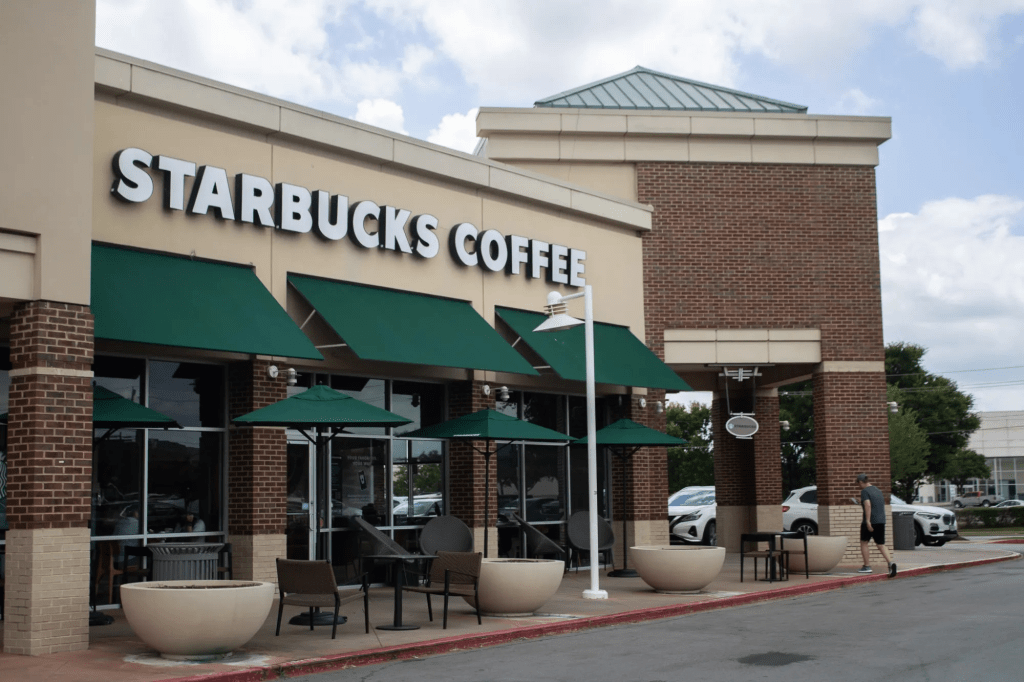
From a Seattle Coffee Shop to a Global Icon
Starbucks was founded in Seattle, Washington, in 1971 by Jerry Baldwin, Zev Siegl, and Gordon Bowker. Originally, the company sold high-quality whole-bean coffee and coffee-making equipment rather than prepared beverages.
Everything changed when Howard Schultz joined Starbucks in the 1980s. During a trip to Italy, Schultz noticed that espresso bars served as neighborhood gathering places rather than simply stores. He envisioned bringing that culture to the United States by creating cafés where customers would stay, socialize, and enjoy handcrafted drinks.
After purchasing Starbucks in 1987, Schultz rapidly expanded the concept while maintaining a strong emphasis on premium coffee, customer service, and store atmosphere. The company continued introducing new beverages, loyalty programs, mobile ordering, and digital payment systems that helped redefine the modern coffee industry.
Today, Starbucks is one of the world’s largest restaurant companies and one of the most valuable consumer brands.
My Go-To Order
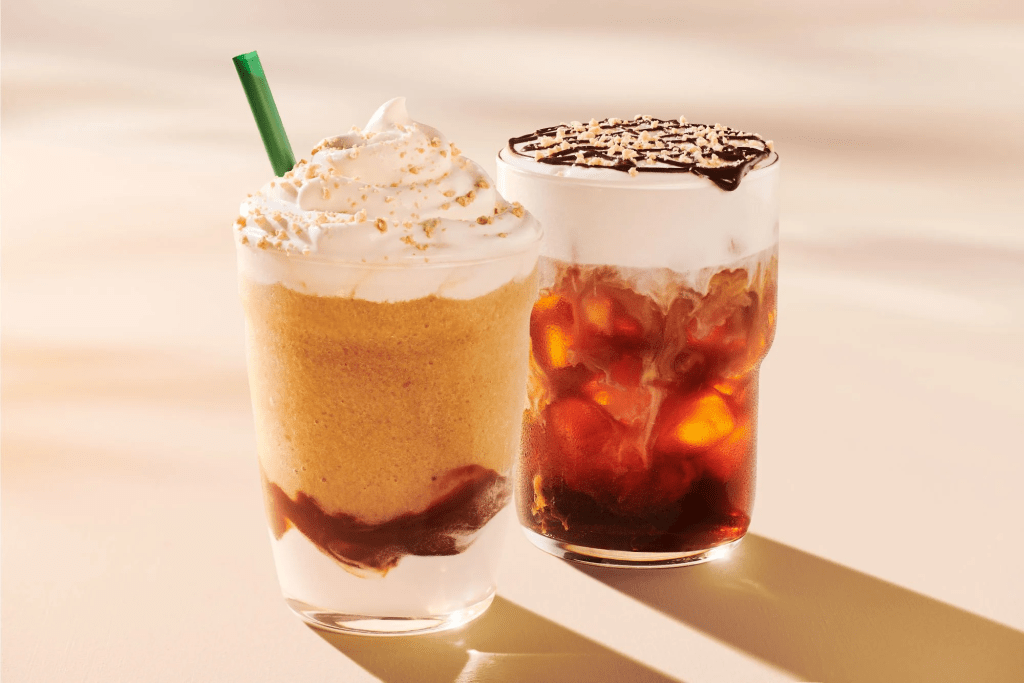
When diving into a business, you’ve got to taste the product, right? Here are the items I usually order from Starbucks and why they’ve remained customer favorites.
Brown Sugar Oatmilk Shaken Espresso: This is usually my order because it reflects Starbucks’ ability to continuously innovate while building on its espresso foundation.
Bacon, Gouda & Egg Sandwich: Offering breakfast encourages customers to purchase complete meals instead of beverages alone, increasing the average transaction value.
Birthday Cake Pop: Small treats create impulse purchases at checkout while complementing coffee orders.
Iced Passion Tango Tea Lemonade: Starbucks successfully serves customers who don’t drink coffee, expanding its potential customer base without changing its core identity.
Overall, my order reflects Starbucks’ strategy of creating multiple purchasing occasions beyond simply grabbing a cup of coffee.
The Business Behind the Billions
Selling an Experience Instead of a Product
Coffee can be purchased almost anywhere. Starbucks differentiated itself by creating inviting cafés with comfortable seating, free Wi-Fi, personalized drinks, and consistent customer service.
Customers weren’t just paying for coffee—they were paying for the environment surrounding it. When businesses improve the overall experience, they often gain pricing power that competitors struggle to match.
Building a Powerful Loyalty Ecosystem
Starbucks Rewards has become one of the most successful loyalty programs in the restaurant industry. Customers earn points, receive personalized offers, reload digital gift cards, and order ahead using the Starbucks app.
The program encourages repeat visits while giving Starbucks valuable insight into purchasing behavior. Strong loyalty programs don’t simply reward customers—they strengthen long-term relationships.
Premium Pricing Through Brand Value
Although Starbucks generally charges more than many competitors, customers continue returning because they associate the brand with quality, consistency, and customization.
Building a trusted brand allows companies to compete on value rather than price. Customers are often willing to pay more when they know exactly what experience they’ll receive.
Investing Early in Technology
Starbucks was one of the first major restaurant companies to embrace mobile ordering, digital payments, and app-based rewards at scale. These investments improved convenience while reducing wait times and increasing operational efficiency.
Companies that adopt useful technology before competitors often create lasting advantages that extend beyond the technology itself.
Expanding Without Losing Consistency
Operating thousands of locations worldwide presents enormous challenges. Starbucks maintains consistency through standardized training, carefully managed supply chains, and rigorous quality standards that allow customers to enjoy nearly the same experience regardless of where they visit.
Consistency builds trust, and trust encourages repeat business on a global scale.
Lessons From Starbucks for Aspiring Entrepreneurs
Strategy | What It Teaches |
|---|---|
| Customer Experience | Great experiences create value beyond the product itself |
| Loyalty Programs | Retaining customers is often more profitable than constantly finding new ones |
| Brand Positioning | Strong brands can command premium prices |
| Technology | Investing in convenience strengthens customer loyalty |
Final Thoughts
Starbucks demonstrates that extraordinary businesses don’t always invent new products. Sometimes they simply change how customers think about products that already exist.
What stands out most is the company’s focus on the entire customer journey. From store design to digital ordering to personalized beverages, every part of the experience reinforces Starbucks’ premium positioning.
For entrepreneurs, the biggest lesson is that differentiation often extends beyond what you sell. Businesses that create memorable experiences, build lasting customer relationships, and consistently deliver on their brand promise can transform ordinary products into extraordinary companies.
Want more bites of business?
Subscribe to get every new post delivered straight to your inbox.
Sources:
- Starbucks – Our Heritage
- Starbucks – Investor Relations
- Starbucks – Starbucks Rewards
- Starbucks – Menu
- Restaurant Business – Starbucks News & Analysis
- QSR Magazine – Starbucks Coverage
- Nation’s Restaurant News – Starbucks Coverage
- Forbes – Starbucks Coverage
- Statista – Starbucks Statistics & Market Data
- Harvard Business Review – Starbucks Strategy & Leadership Articles


Leave a Reply