Welcome to Business Bites, the blog where food meets business strategy, and where every bite tells a story about what makes the biggest restaurant chains tick. If you’ve ever wondered why some restaurants become household names while others remain local favorites, you’re in the right place.
This series explores the decisions that transformed small restaurants into billion-dollar businesses. Every company has a unique story, and each one offers lessons in leadership, marketing, operations, and growth. Along the way, I’ll also share some of my favorite menu items because understanding the product is just as important as understanding the business behind it.
Today’s spotlight is on the chicken wing chain that quietly became one of the fastest-growing restaurant companies in America: Wingstop.
Part 18 – Wingstop
A few years ago, Wingstop felt like a relatively niche restaurant. You knew about it if you liked wings, but it wasn’t necessarily mentioned alongside giants like McDonald’s or Chick-fil-A.
That has changed dramatically.
Today, Wingstop is one of the fastest-growing restaurant brands in the country and has become one of the best-performing restaurant stocks in recent years. What’s interesting is that the company didn’t get there by creating an enormous menu or spending billions on advertising.
Instead, Wingstop focused on a few things and did them exceptionally well: chicken wings, digital ordering, and franchising.
In many ways, Wingstop is a great example of how modern restaurant companies can scale efficiently in an increasingly digital world.
From Buffalo Wings to a National Brand
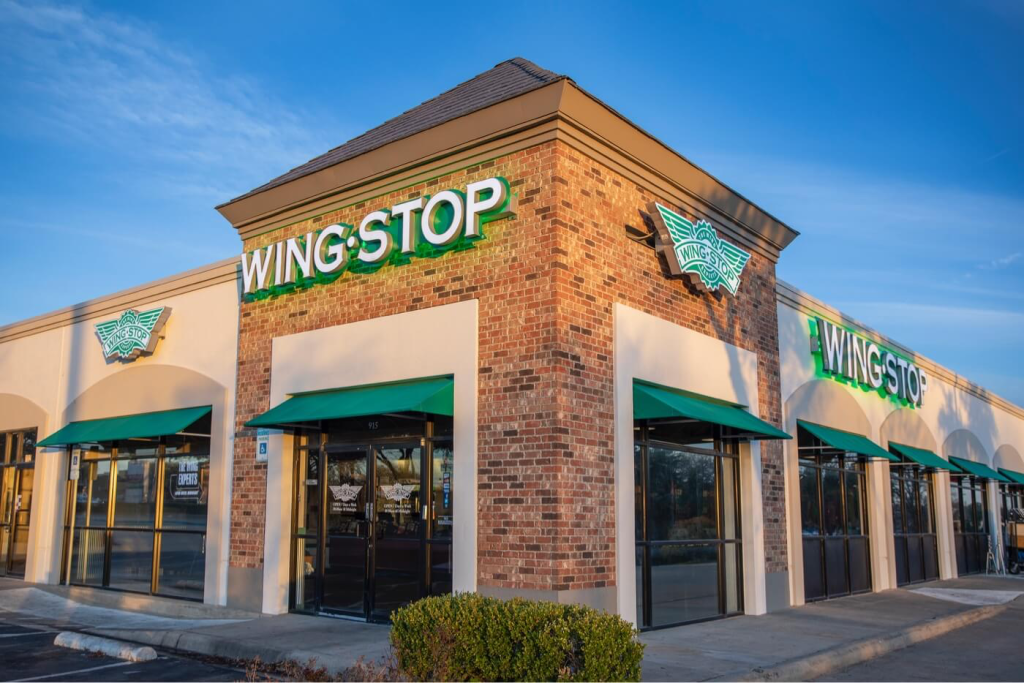
Wingstop was founded in 1994 in Garland, Texas.
The original idea was simple. Create a restaurant centered around cooked-to-order chicken wings with a variety of flavors and sauces. At the time, wings were often viewed as a side item or something primarily associated with sports bars.
Wingstop believed wings could become the main attraction.
The company began franchising in 1997 and gradually expanded across the United States. While growth was steady during its early years, the business really accelerated over the past decade as delivery apps, online ordering, and changing consumer preferences made wing-focused restaurants even more attractive.
Today, Wingstop operates thousands of restaurants worldwide and continues to expand rapidly.
One thing I found interesting while researching the company is how simple the original concept was. Looking back, it seems obvious that people would enjoy a restaurant dedicated entirely to wings, but at the time it was actually a fairly unique idea.
My Go-To Order
When diving into a business, you’ve got to taste the product, right? Here are the items I usually order from Wingstop and why I think they’ve become customer favorites.
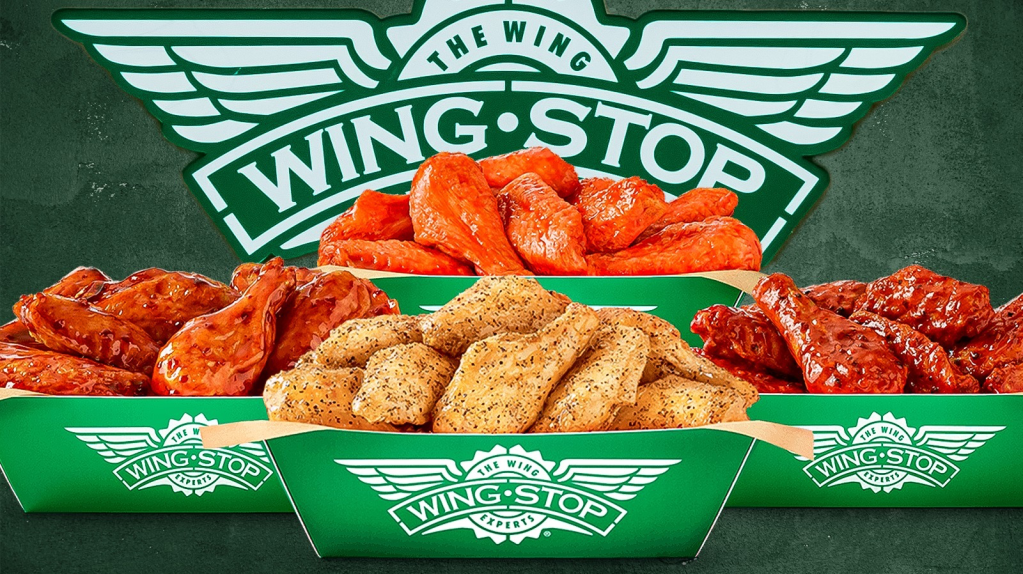
Lemon Pepper Wings: This is usually my order. Lemon Pepper has become one of Wingstop’s signature flavors and is probably the sauce most people associate with the brand. It’s flavorful without being overly spicy and does a great job representing what makes Wingstop different.
Louisiana Rub Wings: These are another favorite of mine because they have a nice balance of seasoning and heat. Signature flavors like these help differentiate Wingstop from competitors and encourage repeat visits.
Seasoned Fries: Wingstop’s fries are honestly underrated. The seasoning makes them much more memorable than standard fast-food fries and helps complete the meal.
Ranch: It might seem strange to mention a dipping sauce, but Wingstop’s ranch has almost developed its own fanbase online. Small products like this can unexpectedly become important parts of a company’s identity.
The Business Behind the Billions
Simplicity Creates Efficiency
One of Wingstop’s biggest strengths is its relatively simple menu.
Unlike many restaurant chains, Wingstop doesn’t try to offer burgers, salads, sandwiches, breakfast items, and desserts all at once. The company primarily focuses on wings, tenders, fries, and a few complementary items.
This simplicity makes operations easier, reduces inventory complexity, and helps restaurants maintain consistency.
It’s another reminder that businesses don’t always need to do more. Sometimes focusing on one category and becoming exceptional at it is enough.
Becoming a Digital-First Business
One of the biggest drivers of Wingstop’s recent success has been its embrace of technology.
A significant percentage of Wingstop’s sales now come through digital channels, including mobile ordering, online ordering, and delivery platforms.
This has allowed the company to operate more efficiently while meeting customers where they already are.
In some ways, Wingstop benefited from changing consumer behavior. More people now prefer ordering food from their phones rather than dining inside restaurants. Wingstop was well-positioned to capitalize on that trend.
The company often describes itself as a technology company that happens to sell chicken wings, which is a pretty interesting way to think about a restaurant business.
Franchising and Asset-Light Growth
Wingstop’s growth has also been driven by franchising.
Because franchisees provide much of the capital required for expansion, Wingstop can continue opening restaurants rapidly without needing to fund every new location itself.
This asset-light model has contributed significantly to the company’s profitability and scalability.
Many investors like restaurant companies with franchise-heavy models because they often generate stable royalty income while requiring less capital investment.
Building a Brand Around Flavor
Wingstop has done an excellent job creating products that customers specifically seek out.
People don’t simply go to Wingstop for “wings.” They go for Lemon Pepper, Mango Habanero, Garlic Parmesan, or Hawaiian flavors.
By emphasizing flavors rather than just the product category itself, Wingstop created additional reasons for customers to return and try different combinations.
This strategy also helps build stronger customer loyalty because customers often develop favorite flavors that they associate specifically with Wingstop.
Riding Long-Term Industry Trends
Several broader trends have benefited Wingstop over the years.
Consumers increasingly value convenience and delivery. Chicken has become one of the most popular protein categories in fast food. Digital ordering continues to grow.
Wingstop happened to be positioned directly at the intersection of all three trends.
Sometimes business success isn’t just about execution. It’s also about being in the right place at the right time and recognizing where consumer behavior is heading.
Wingstop did an excellent job of capitalizing on these changes.
Lessons From Wingstop for Aspiring Entrepreneurs
Strategy | What It Teaches |
|---|---|
| Focus | Doing one thing exceptionally well can create major advantages |
| Digital Innovation | Technology can dramatically improve scalability |
| Franchising | Asset-light models can accelerate growth |
| Franchising | Strong products create customer loyalty |
Final Thoughts
Wingstop’s rise is a reminder that businesses don’t always need complicated strategies to become successful.
The company focused on wings, embraced technology early, and built an efficient franchise model that allowed it to scale rapidly.
What I find particularly interesting about Wingstop is that much of its recent success came from understanding where customers were heading rather than where they had been. As ordering food digitally became increasingly common, Wingstop was already positioned to benefit.
For entrepreneurs, there is an important lesson here. Sometimes the biggest opportunities come from identifying long-term trends early and building businesses that are ready for them.
Up next on Business Bites: Panera Bread. We’ll explore how one bakery-cafe helped create the fast-casual industry and why it became one of the most influential restaurant concepts in America.
Want more bites of business?
Subscribe to get every new post delivered straight to your inbox.
Sources:
- Our Story – Wingstop Official Website
- 2024 Annual Report – Wingstop Investor Relations
- Wingstop Franchise Information
- How Wingstop Became a Digital-First Restaurant Brand – Restaurant Business Online
- Wingstop’s Growth Strategy and Digital Transformation – QSR Magazine
- Wingstop Statistics and Industry Data – Statista Research Department
- How Wingstop Became One of the Hottest Restaurant Stocks – Forbes Contributors
- The Story Behind Wingstop’s Rapid Growth – Entrepreneur Magazine
- Wingstop’s Technology and Delivery Strategy – CNBC Restaurants Coverage
- Why Wingstop’s Franchise Model Works – Franchise Times


Leave a Reply