Welcome to Business Bites, the blog where food meets business strategy, and where every bite tells a story about what makes the biggest restaurant chains tick. If you’ve ever wondered why some restaurants become household names while others remain local favorites, you’re in the right place.
This series explores the decisions that transformed small restaurants into billion-dollar businesses. Every company has a unique story, and each one offers lessons in leadership, marketing, operations, and growth. Along the way, I’ll also share some of my favorite menu items because understanding the product is just as important as understanding the business behind it.
Today’s spotlight is on a company that many Texans treat less like a restaurant and more like a state landmark: Whataburger.
Part 22 – Whataburger
If you’ve spent any time in Texas, you’ve probably heard people passionately debate Whataburger versus In-N-Out.
For many Texans, though, it isn’t even a debate.
Whataburger has developed one of the most loyal customer bases in the restaurant industry. It’s not unusual to see lines wrapping around buildings late at night, and whenever the company announces a new location outside of Texas, people get genuinely excited.
That’s pretty impressive considering Whataburger doesn’t spend nearly as much on national marketing as some of its larger competitors.
So how did a burger chain founded in a small Texas town become such a cultural institution?
From a Small Burger Stand to a Texas Icon
Whataburger was founded in 1950 by Harmon Dobson in Corpus Christi, Texas.
Dobson had a very simple goal. He wanted to create a burger so large that customers would take one bite and say, “What a burger!”
That phrase eventually became the company’s name.
At the time, many hamburgers were relatively small and inexpensive. Dobson believed customers would be willing to pay slightly more for a larger, higher-quality burger.
That idea turned out to be correct.
The first Whataburger sold for just 25 cents, but it quickly gained popularity because it offered something that felt different from competitors.
As the company expanded throughout Texas and the South, it focused heavily on consistency and customer service. Unlike some chains that tried to grow nationally as quickly as possible, Whataburger remained relatively concentrated in the South for decades.
Looking back, that decision may have actually strengthened the brand.
By remaining somewhat regional, Whataburger developed an almost cult-like following. Customers didn’t see it as another national fast-food chain. They saw it as something uniquely Texan.
Today, Whataburger operates more than a thousand locations across multiple states while continuing to expand beyond its traditional markets.
One thing I found interesting while researching the company is that even after its majority sale to a Chicago-based investment firm in 2019, many Texans still strongly identify the brand with Texas culture.
My Go-To Order
When diving into a business, you’ve got to taste the product, right? Here are the items I usually order from Whataburger and why I think they’ve become customer favorites.
Patty Melt: This is usually my order. The grilled onions, creamy pepper sauce, and Texas toast make it feel a little different from a traditional burger. It’s become one of the company’s most popular products and shows how menu innovation can create customer favorites.
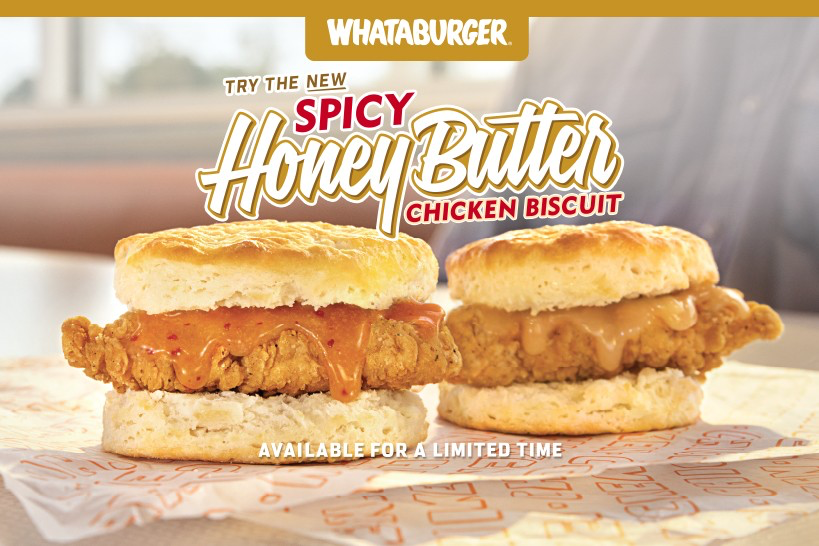
Honey Butter Chicken Biscuit: This may honestly be one of the most iconic breakfast items in fast food. It’s simple, but the sweet and savory combination has made it incredibly popular.
Spicy Ketchup: It might seem strange to mention a condiment, but Whataburger’s spicy ketchup has developed its own following. The fact that customers specifically seek out a restaurant’s ketchup says a lot about brand loyalty.
French Fries: Nothing complicated here. They pair well with the spicy ketchup and complete the meal.
The Business Behind the Billions
Building a Brand Around Regional Identity
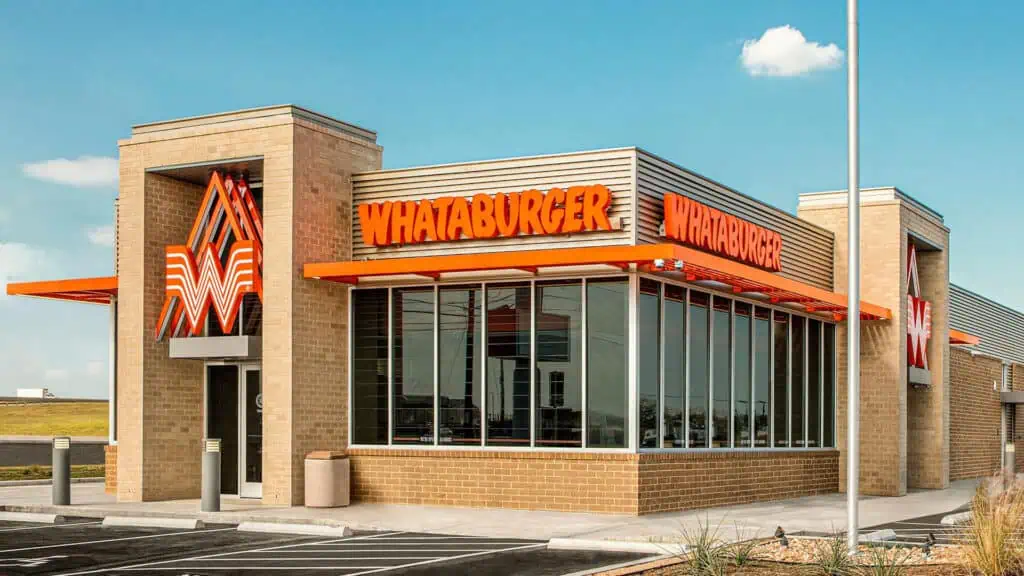
One of Whataburger’s biggest strengths has been its ability to become deeply connected with Texas culture. While many restaurant companies try to appeal to everyone, Whataburger leaned heavily into its roots and turned them into a competitive advantage. The orange-and-white striped buildings, Texas-themed merchandise, local partnerships, and strong community presence all reinforced the idea that Whataburger was more than just another burger chain.
This regional identity helped create an emotional connection with customers. For many Texans, eating at Whataburger feels almost like supporting a hometown institution. The brand has become associated with late-night food runs, road trips, high school football games, and Texas pride in general. That kind of connection is extremely difficult to create and even harder for competitors to replicate.
The company has also benefited tremendously from word-of-mouth marketing because of this identity. Customers proudly wear Whataburger merchandise, debate it against competitors online, and actively promote the brand to friends moving into Texas. In many ways, customers have become unpaid marketers for the company.
For entrepreneurs, this is an important lesson. Businesses do not always need to appeal to everyone immediately. Sometimes becoming incredibly important to one group of customers can create stronger loyalty and long-term advantages than trying to be everything to everyone.
Balancing Consistency and Innovation
Another major reason for Whataburger’s success is its ability to introduce new products while staying true to its core menu. The company still serves the burgers that originally made it famous, but products such as the Patty Melt and Honey Butter Chicken Biscuit have become iconic menu items in their own right.
This balance is difficult to achieve. Companies that change too much risk alienating loyal customers, while companies that refuse to innovate can slowly become outdated. The restaurant industry changes constantly, and consumer preferences shift over time.
Whataburger has generally done a strong job introducing products that still feel distinctly “Whataburger.” The Patty Melt, for example, does not completely reinvent the brand. Instead, it builds upon flavors and ingredients that fit naturally within the existing menu.
This strategy allows the company to keep customers interested while still preserving the identity that made the brand successful in the first place. It is a reminder that innovation works best when it strengthens a company’s core strengths rather than replacing them entirely.
Creating Demand Through Convenience and Availability
One of Whataburger’s more underrated advantages is its operating strategy. Many locations remain open twenty-four hours a day, allowing the company to serve customers during hours when many competitors are closed.
College students, shift workers, travelers, and people leaving sporting events all become potential customers. Over time, these additional visits add up significantly.
This may seem like a relatively small operational decision, but serving customers in more situations creates additional demand and strengthens relationships with the brand. Businesses become stronger when they create multiple occasions for customers to interact with them.
Whataburger has positioned itself as a restaurant customers can rely on almost anytime. That reliability has become an important part of its identity and another reason customers remain loyal.
Turning Customers Into Brand Advocates
Perhaps the most impressive aspect of Whataburger’s business model is the loyalty of its customers. Loyal customers are extremely valuable because they do much more than simply purchase products.
They recommend the brand to friends, discuss it online, defend it against competitors, and generate free publicity through word-of-mouth marketing. Some of the best advertising a company can receive comes directly from passionate customers.
Social media discussions comparing Whataburger to competitors frequently generate enormous engagement. Customers genuinely enjoy discussing their favorite menu items and sharing experiences with the brand.
Building this type of loyalty takes decades of consistency and positive customer experiences. Once established, however, it becomes an incredibly powerful competitive advantage that competitors struggle to replicate.
Expanding Without Losing Identity
As Whataburger continues moving into new states, one of its biggest challenges will be maintaining the qualities that made customers love the brand in the first place.
Many regional restaurant chains struggle after expansion because they lose some of the uniqueness that originally differentiated them. Customers begin to view them as just another national chain.
This challenge became especially important following the company’s ownership change and more aggressive expansion plans. Future success will likely depend not only on opening new restaurants but also on ensuring that new customers experience the same brand Texans have loved for decades.
Growth is obviously important. However, preserving authenticity and brand identity may ultimately be just as important for Whataburger’s long-term success.
Lessons From Whataburger for Aspiring Entrepreneurs
Strategy | What It Teaches |
|---|---|
| Regional Branding | Strong local identities can create extremely loyal customers |
| Product Innovation | New products should strengthen your core business |
| Operating Strategy | Serving customers in more situations creates additional demand |
| Customer Loyalty | Loyal customers often become your best marketers |
Final Thoughts
Whataburger’s story is a reminder that businesses do not always need to become global brands to be incredibly successful.
For decades, the company focused on serving customers well, maintaining consistency, and embracing its identity. The result was one of the strongest and most loyal customer bases in the restaurant industry.
What I find particularly interesting is how emotionally attached people become to the brand. People do not usually argue passionately about most fast-food restaurants, but they absolutely do about Whataburger.
That emotional connection is incredibly valuable and very difficult to create.
For entrepreneurs, there is an important lesson here: strong brands are not built solely through products or advertising. They are built through consistency, identity, and experiences that customers genuinely connect with.
Up next on Business Bites: Culver’s. We’ll explore how a regional Midwestern chain built a loyal following through hospitality, premium ingredients, and one of the most unique growth strategies in fast food.
Want more bites of business?
Subscribe to get every new post delivered straight to your inbox.
Sources:
- Our History – Whataburger Official Website
- Whataburger Company Information and News – Whataburger Stories
- How Whataburger Built One of America’s Most Loyal Customer Bases – Restaurant Business Online
- Whataburger’s Growth Strategy and Expansion Plans – QSR Magazine
- Whataburger Statistics and Industry Data – Statista Research Department
- The Business Behind Whataburger’s Cult Following – Forbes Contributors
- How Whataburger Became a Texas Institution – Entrepreneur Magazine
- Whataburger’s Ownership Change and Future Growth – CNBC Restaurants Coverage
- Whataburger’s Expansion Strategy Beyond Texas – Franchise Times
- Whataburger’s History and Brand Development – Texas Monthly Coverage


Leave a Reply