Welcome to Business Bites, the blog where food meets business strategy, and where every bite tells a story about what makes the biggest restaurant chains tick. If you’ve ever wondered why some restaurants become household names while others remain local favorites, you’re in the right place.
This series explores the decisions that transformed small restaurants into billion-dollar businesses. Every company has a unique story, and each one offers lessons in leadership, marketing, operations, and growth. Along the way, I’ll also share some of my favorite menu items because understanding the product is just as important as understanding the business behind it.
Today’s spotlight is on the bakery-cafe that helped create the fast-casual industry long before the term became popular: Panera Bread.
Part 19 – Panera Bread
When people think about restaurant innovation, they usually think about companies introducing new foods or flashy technology. Panera’s innovation was a little different.
The company recognized that many customers wanted something in between traditional fast food and a sit-down restaurant. They wanted higher-quality ingredients and a nicer atmosphere, but they still wanted speed and convenience.
That might sound obvious today because fast-casual restaurants are everywhere. But when Panera was expanding during the 1990s and early 2000s, this was a relatively new idea.
In many ways, Panera helped create an entirely new category of dining.
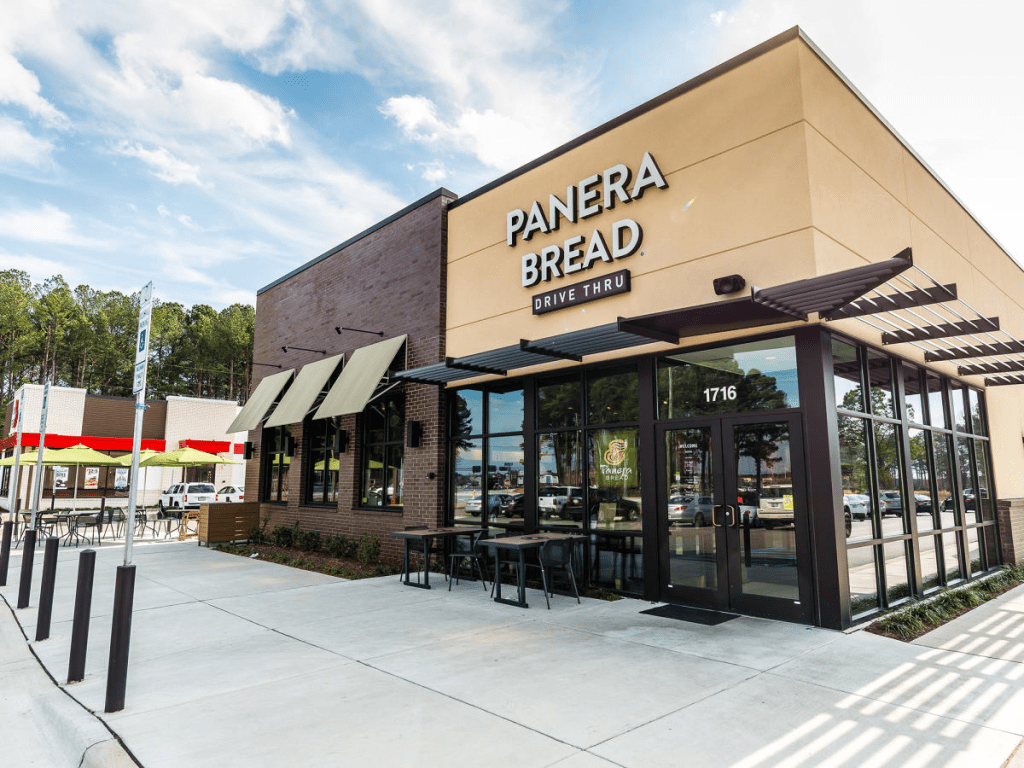
From a Cookie Shop to a National Brand
Panera’s story actually begins with a company called Au Bon Pain.
In 1987, Au Bon Pain acquired a small California-based bakery chain called Saint Louis Bread Company. While the bakery initially seemed like a relatively small acquisition, management quickly realized that the concept had enormous potential.
Rather than focusing on traditional mall bakeries, the company began developing larger bakery-cafes that offered sandwiches, soups, salads, and freshly baked bread in a comfortable environment.
The strategy worked incredibly well.
Eventually, the company sold Au Bon Pain and focused entirely on growing Panera Bread. Over time, the company expanded across the United States and became one of the pioneers of the fast-casual industry.
Looking back, this seems like a very obvious opportunity. But at the time, there weren’t many national chains successfully operating in the space between fast food and casual dining.
My Go-To Order
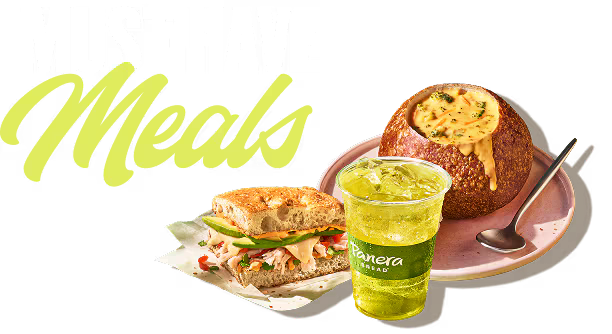
When diving into a business, you’ve got to taste the product, right? Here are the items I usually order from Panera and why I think they’ve become customer favorites.
Chipotle Chicken Avocado Melt: This is usually my order. It feels more premium than a typical fast-food sandwich and does a good job representing what Panera tries to offer: higher-quality ingredients and a more elevated dining experience.
Mac & Cheese: Panera’s mac and cheese has become one of the company’s signature menu items. It’s simple, but it’s also one of those foods people specifically go to Panera for.
Broccoli Cheddar Soup: This might honestly be the product most people associate with Panera. The bread bowl has become almost iconic and helps differentiate the company from many competitors.
Chocolate Chipper Cookie: Sometimes simple desserts end up becoming customer favorites. Products like this help round out meals and encourage additional purchases.
The Business Behind the Billions
Creating the Fast Casual Business
One of Panera’s biggest contributions to the restaurant industry was helping popularize fast casual dining.
The company realized there was a large group of customers who wanted food that felt fresher and higher quality than traditional fast food but still wanted convenience and speed.
This positioning allowed Panera to charge higher prices than many traditional quick-service restaurants while still attracting customers.
Today, companies like Chipotle, CAVA, and Sweetgreen operate in a world that Panera helped create.
Competing on Atmosphere and Experience
One thing that separates Panera from many competitors is the experience itself.
Panera locations were designed to feel comfortable and welcoming. Customers could meet friends, study, work remotely, or spend extended periods of time inside the restaurant.
This may not seem particularly important, but it fundamentally changed customer behavior.
Many fast-food restaurants are optimized for quick turnover. Panera embraced the opposite approach and created spaces where people actually wanted to spend time.
The restaurant became more than a place to eat. It became a place to gather.
Digital Innovation
Panera was also one of the earlier restaurant companies to invest heavily in technology.
The company introduced mobile ordering, self-service kiosks, delivery options, and digital loyalty programs before many competitors.
These investments became especially valuable in later years as customers increasingly preferred convenience and digital ordering.
One thing I found interesting while researching Panera is that many of the technologies restaurants now consider standard were adopted by Panera relatively early.
The company often doesn’t receive much credit for this, but it was actually a fairly innovative restaurant business.
Building a Premium Brand
Unlike many quick-service chains that compete primarily on affordability, Panera positioned itself as a premium option.
Fresh ingredients, artisan breads, healthier menu items, and a more comfortable dining environment all reinforced this image.
This strategy allowed Panera to charge higher prices while attracting customers who valued quality and convenience.
Businesses do not always need to be the cheapest option in the market. Sometimes creating a better overall experience can justify premium pricing.
Adapting to Changing Consumer Preferences
Consumer preferences have shifted significantly over the past two decades.
Customers increasingly care about ingredient quality, transparency, healthier options, and convenience.
Panera did a relatively good job adapting to these changes. The company expanded healthier menu offerings, emphasized cleaner ingredients, and continued investing in digital capabilities.
Businesses that fail to adapt often struggle over time. Panera’s willingness to evolve has been one of the major reasons it has remained relevant.
Lessons From Panera Bread for Aspiring Entrepreneurs
Strategy | What It Teaches |
|---|---|
| Market Positioning | Sometimes the biggest opportunities exist between existing categories |
| Customer Experience | The environment can become part of the product itself |
| Digital Innovation | Investing early in technology can create long-term advantages |
| Premium Branding | Customers will often pay more for better experiences |
Final Thoughts
Panera Bread’s story is a reminder that innovation does not always mean inventing something completely new.
Sometimes innovation means identifying an unmet need and building an entirely new category around it.
Panera recognized that millions of customers wanted something between traditional fast food and sit-down dining. By focusing on quality, atmosphere, and convenience, the company helped create one of the most important trends in the restaurant industry.
What I find particularly interesting is that Panera often doesn’t receive as much attention as companies like Chipotle or Starbucks, even though its influence on modern dining has been enormous.
For entrepreneurs, there is an important lesson here. Some of the biggest opportunities come from recognizing gaps in the market before everyone else sees them.
Up next on Business Bites: Shake Shack. We’ll explore how a small hot dog cart in New York City became one of the most recognizable premium burger brands in the world.
Want more bites of business?
Subscribe to get every new post delivered straight to your inbox.
Sources:
- Our History – Panera Bread Official Website
- Panera Bread Company Overview – Panera Bread
- The Story of Panera and Ron Shaich – Panera Bread Official Website
- How Panera Helped Create Fast Casual Dining – Restaurant Business Online
- Panera’s Digital Transformation Strategy – QSR Magazine
- Panera Bread Statistics and Industry Data – Statista Research Department
- How Panera Reinvented the Restaurant Industry – Forbes Contributors
- Ron Shaich and the Rise of Panera Bread – Entrepreneur Magazine
- Panera’s Technology and Loyalty Initiatives – CNBC Restaurants Coverage
- The Evolution of Fast Casual and Panera’s Influence – Franchise Times
 Business Bites
Leave a comment