Welcome to Business Bites, the blog where food meets business strategy, and where every bite tells a story about what makes the biggest restaurant chains tick. If you’ve ever wondered why some restaurants become household names while others remain local favorites, you’re in the right place.
This series explores the decisions that transformed small restaurants into billion-dollar businesses. Every company has a unique story, and each one offers lessons in leadership, marketing, operations, and growth. Along the way, I’ll also share some of my favorite menu items because understanding the product is just as important as understanding the business behind it.
Today’s spotlight is on the global smoothie and juice pioneer that went from a small California storefront to one of the most recognizable health-and-wellness brands in the world: Jamba.
Part 36 – Jamba
Not every successful restaurant chain is built around burgers, pizza, or fried chicken. Jamba proved that consumers were willing to pay premium prices for fruit smoothies and healthier menu options long before wellness became one of the food industry’s biggest trends.
What began as a small smoothie shop in California eventually became one of the country’s most recognizable beverage brands. Along the way, Jamba expanded beyond smoothies into juices, bowls, sandwiches, and snacks while maintaining its reputation as a healthier alternative to traditional fast food.
Its journey demonstrates that identifying a growing consumer trend early can create opportunities that last for decades.
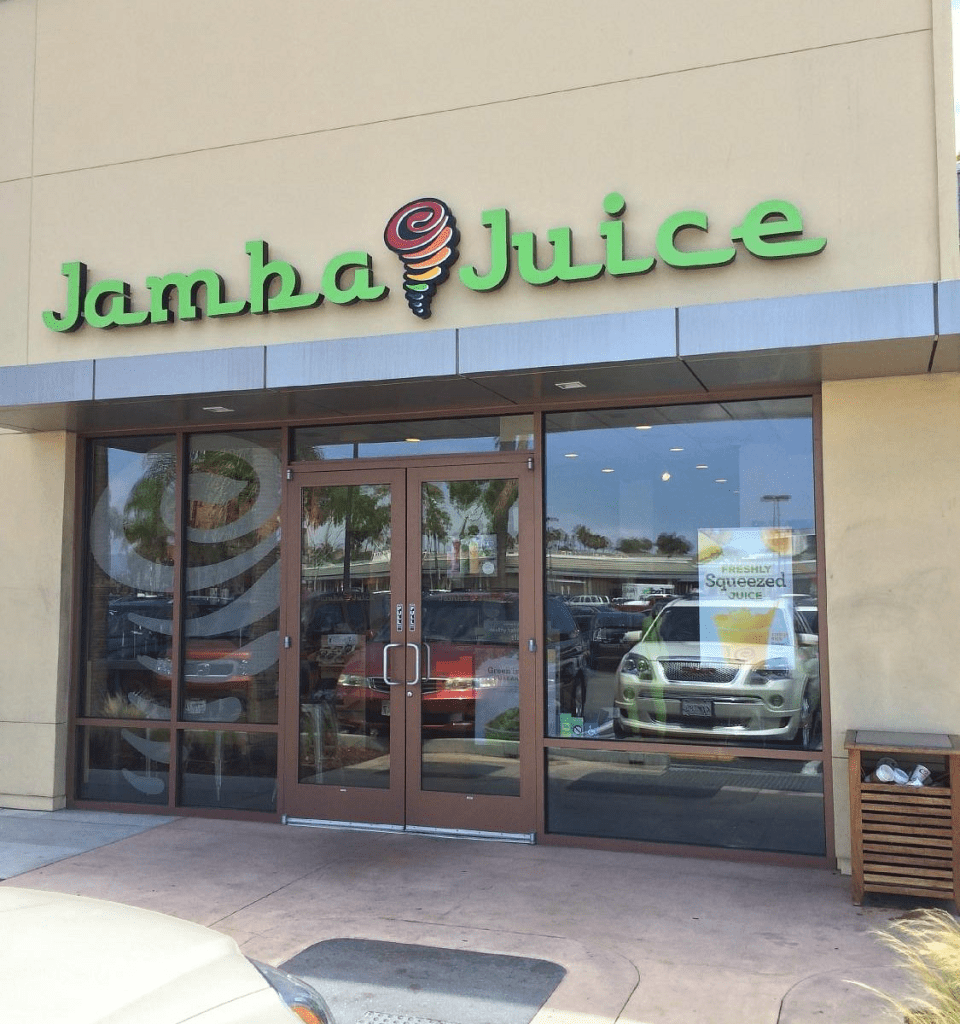
From a California Smoothie Shop to a Household Name
Jamba was founded in 1990 by Kirk Perron in San Luis Obispo, California. Perron had recently completed a cross-country cycling trip, where he became increasingly interested in nutrition and healthier eating. Inspired by what he learned, he envisioned a restaurant centered on fresh fruit, nutritious ingredients, and convenient meals.
The concept quickly gained popularity. Customers appreciated having an option that felt lighter than traditional fast food while still being quick and convenient. As demand grew, Jamba expanded throughout California before opening locations across the United States.
For many years, the company operated as Jamba Juice, a name that clearly reflected its smoothie-focused menu. However, as the business expanded into oatmeal, protein bowls, wraps, baked goods, and fresh juices, management realized the brand had become much more than simply a juice company. In 2019, the company shortened its name to simply Jamba, signaling a broader vision for the future.
Today, Jamba operates more than 800 locations worldwide and is part of GoTo Foods, alongside Auntie Anne’s, Cinnabon, Carvel, McAlister’s Deli, Moe’s Southwest Grill, and Schlotzsky’s.
My Go-To Order
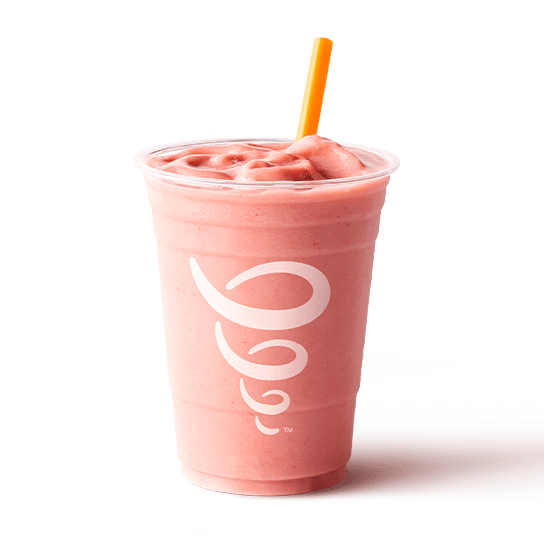
When diving into a business, you’ve got to taste the product, right? Here are the items I usually order from Jamba and why I think they’ve become customer favorites.
Strawberries Wild Smoothie: This is usually my order because it’s one of Jamba’s signature drinks. It showcases how a simple combination of fruit can become a recognizable product when prepared consistently.
Acai Primo Bowl: Smoothie bowls allowed Jamba to participate in one of the fastest-growing health food trends without abandoning its existing identity. Expanding into complementary products helped increase average order values while attracting new customers.
Orange C-Booster: Functional beverages appeal to customers looking for more than refreshment. By offering drinks associated with vitamins and wellness, Jamba differentiates itself from traditional beverage chains.
Protein Waffle: Smaller food items encourage customers to view Jamba as a meal destination instead of just a place for drinks, increasing both customer frequency and transaction size.
Overall, my order reflects Jamba’s evolution from a smoothie shop into a broader health-focused restaurant.
The Business Behind the Billions
Recognizing Consumer Trends Before They Become Mainstream
One of Jamba’s greatest strengths was recognizing growing consumer interest in healthier eating long before wellness became a dominant trend. While much of the restaurant industry focused on indulgent meals, Jamba built its business around fruit, vegetables, and nutritional ingredients.
Businesses that identify emerging consumer preferences early often gain years of competitive advantage before larger companies respond.
Expanding Beyond the Original Product
Although smoothies remain the company’s signature offering, Jamba steadily introduced bowls, juices, snacks, baked goods, and grab-and-go meals. These additions increased revenue opportunities without confusing customers about what the brand represented.
Successful businesses rarely remain exactly as they started. They evolve carefully while preserving the identity that customers already trust.
Building a Lifestyle Brand
Jamba doesn’t simply advertise beverages. It markets an active lifestyle centered around wellness, energy, and nutrition. Its branding consistently reinforces the idea that customers are making a positive choice rather than simply buying a drink.
People often purchase products because they align with the identity they want to project. Lifestyle branding can therefore become just as important as the product itself.
Choosing High-Traffic Locations
Like many successful quick-service brands, Jamba strategically places stores where convenience matters most. Shopping centers, college campuses, airports, and busy commercial districts allow the company to attract customers already on the move.
Great locations reduce the amount of effort customers must make to choose your business. Sometimes convenience becomes one of the strongest competitive advantages available.
Growing Through Franchising
Franchising played a significant role in Jamba’s expansion across North America and internationally. Local franchise owners invested in new stores while benefiting from established recipes, recognizable branding, and proven operating systems.
This approach allowed the company to grow efficiently while maintaining consistency across hundreds of locations.
Lessons From Panera Bread for Aspiring Entrepreneurs
Strategy | What It Teaches |
|---|---|
| Trend Recognition | Spotting consumer shifts early can create long-term advantages |
| Product Expansion | Complementary offerings increase revenue without changing your identity |
| Lifestyle Branding | Customers often buy into brands that reflect their values |
| Strategic Locations | Convenience drives customer traffic |
Final Thoughts
Jamba’s success shows that businesses don’t always have to invent an entirely new product to transform an industry. Sometimes success comes from recognizing changing consumer habits before everyone else does and building a brand that consistently delivers on those expectations.
What I find most interesting is how Jamba continued evolving without abandoning its original mission. Rather than remaining just another smoothie shop, it expanded thoughtfully into products that complemented its focus on health and wellness while strengthening its position in the marketplace.
For entrepreneurs, one lesson stands out clearly. Consumer preferences are constantly changing, and the companies that pay attention to those shifts often find opportunities long before the rest of the market catches on.
Want more bites of business?
Subscribe to get every new post delivered straight to your inbox.
Sources:
- Jamba – Our Story
- GoTo Foods – Our Brands (Jamba)
- Jamba Franchising – Official Franchise Information
- Restaurant Business – Jamba News & Analysis
- QSR Magazine – Jamba Coverage
- Forbes – Jamba & GoTo Foods Coverage
- Entrepreneur – Jamba Franchise Profile
- Technomic – Restaurant Industry Insights
- Statista – Jamba Statistics and Market Data


Leave a Reply