Welcome to Business Bites, the blog where food meets business strategy, and where every bite tells a story about what makes the biggest restaurant chains tick. If you’ve ever wondered why some restaurants become household names while others remain local favorites, you’re in the right place.
This series explores the decisions that transformed small restaurants into billion-dollar businesses. Every company has a unique story, and each one offers lessons in leadership, marketing, operations, and growth. Along the way, I’ll also share some of my favorite menu items because understanding the product is just as important as understanding the business behind it.
Today’s spotlight is on one of the largest fast-casual Mexican restaurant chains in North America:
QDOBA
Part 34 – QDOBA
When people think of fast-casual Mexican food, Chipotle usually dominates the conversation. Yet for nearly three decades, QDOBA has quietly built a loyal customer base by taking a different approach. Instead of trying to beat Chipotle at its own game, the company focused on giving customers more freedom to customize their meals without charging extra for many of the toppings that competitors treated as premium additions.
That strategy helped QDOBA carve out its own place in one of the most competitive restaurant categories in the country. Rather than asking customers to choose between affordability and personalization, it offered both. The result is a restaurant chain that has expanded across the United States and Canada while continuing to evolve alongside changing consumer tastes.
Although QDOBA may not receive as much attention as some of its competitors, its growth demonstrates that businesses don’t always need to be the largest company in an industry to build a successful and recognizable brand.
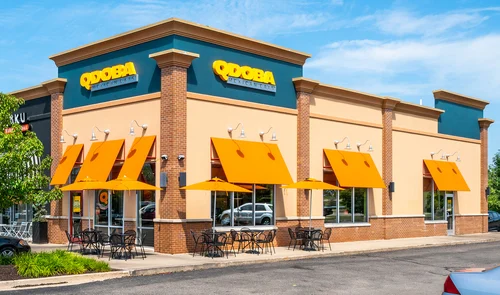
From a Colorado Restaurant to an International Chain
QDOBA opened its first restaurant in Denver, Colorado, in 1995 under the name Zuma Fresh Mexican Grill. The founders believed customers wanted fresher ingredients and greater flexibility than traditional fast-food restaurants offered. As the business expanded, the company changed its name to QDOBA Mexican Eats to establish a more distinctive identity and avoid trademark conflicts.
The timing worked in its favor. Throughout the late 1990s and early 2000s, consumers increasingly looked for meals that felt fresher and more customizable than traditional fast food. QDOBA embraced that trend by allowing customers to build burritos, bowls, tacos, salads, and quesadillas exactly how they wanted them.
Ownership changes also shaped the company’s growth. Jack in the Box acquired QDOBA in 2003, providing additional resources to expand nationally. Years later, the company was sold to private equity firm Apollo Global Management before eventually joining Butterfly Equity’s portfolio. Each ownership transition brought new investments while allowing QDOBA to continue refining its operations and expanding its restaurant footprint.
Today, QDOBA operates hundreds of restaurants across North America and remains one of the leading names in the fast-casual Mexican restaurant industry.
My Go-To Order
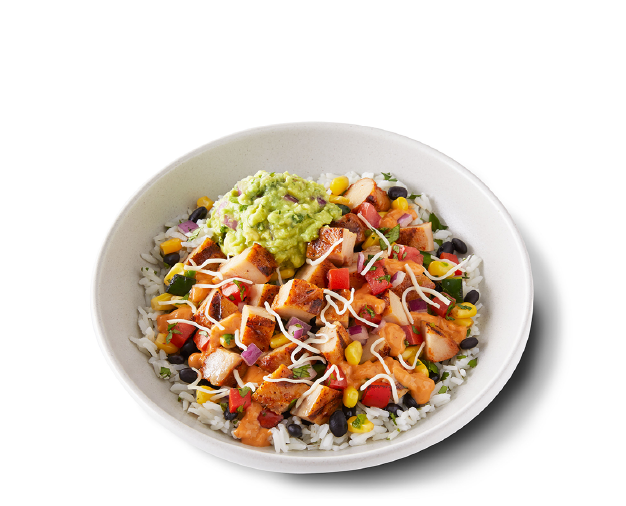
When diving into a business, you’ve got to taste the product, right? Here are the items I usually order from QDOBA and why I think they’ve become customer favorites.
Grilled Chicken Burrito Bowl: This is usually my order because it highlights the company’s emphasis on customization. Every customer can create a meal that matches their own preferences without feeling locked into a preset menu.
Three-Cheese Queso: QDOBA’s queso has become one of its signature products. Unlike some competitors that historically charged extra for queso, QDOBA often included it in many entrees, giving customers an additional reason to choose the brand.
Loaded Tortilla Soup: Offering soups alongside traditional Mexican entrées broadens the menu without distracting from the company’s core identity. It also provides another option during colder months.
Chocolate Chunk Cookie: Desserts increase average order values while completing the meal, making them an important contributor to restaurant profitability.
Overall, my order reflects QDOBA’s focus on giving customers flexibility while maintaining high-quality ingredients and recognizable signature items.
The Business Behind the Billions
Competing Through Customer Choice
Rather than simply copying Chipotle’s formula, QDOBA emphasized giving customers greater control over their meals. Additional toppings, flavorful sauces, and queso helped the company differentiate itself in a crowded market.
Businesses don’t always need to reinvent an industry. Sometimes success comes from improving the customer experience in ways competitors haven’t fully embraced.
Building Value Beyond Price
Fast-casual restaurants often face pressure to compete on price, but QDOBA focused on increasing perceived value instead. Including ingredients that customers often considered premium created the feeling that diners were receiving more for their money.
Customers don’t necessarily choose the cheapest option. More often, they choose the option that delivers the greatest overall value.
Keeping Menus Fresh
QDOBA regularly introduces seasonal proteins, limited-time menu items, and new sauces that encourage repeat visits. These additions allow the company to stay relevant without changing the core menu that loyal customers already enjoy.
Continuous innovation keeps brands from becoming predictable while giving customers reasons to return throughout the year.
Growing Through Franchising
Although the company operates corporate-owned restaurants, franchising has played an increasingly important role in expanding the brand. Franchise partners provide local market knowledge while helping QDOBA reach new communities more efficiently than corporate expansion alone could achieve.
Many restaurant companies scale more quickly by combining centralized systems with local entrepreneurship.
Adapting Through New Ownership
QDOBA’s ownership has changed several times, but each transition brought opportunities to invest in technology, menu development, and restaurant expansion. Rather than viewing ownership changes as setbacks, the company used them to strengthen its long-term position within the industry.
Businesses often evolve under new leadership, especially when owners remain committed to investing in future growth instead of simply maintaining the status quo.
Lessons From QDOBA for Aspiring Entrepreneurs
Strategy | What It Teaches |
|---|---|
| Customer Customization | Giving customers more control can strengthen loyalty |
| Value Creation | Perceived value often matters more than simply offering the lowest price |
| Product Innovation | Regular updates keep customers engaged without abandoning the core business |
| Franchising | Strategic partnerships can accelerate expansion into new markets |
Final Thoughts
QDOBA’s journey shows that success doesn’t always belong to the company with the largest market share. In a category dominated by powerful competitors, it found opportunities by focusing on flexibility, value, and customer experience rather than trying to imitate everyone else.
Its story also illustrates how businesses can continue growing even as ownership changes. By staying committed to innovation and understanding what customers value most, QDOBA has remained one of the leading fast-casual Mexican restaurant brands in North America.
For entrepreneurs, one lesson stands out above all else. You don’t have to be the biggest company to build a successful business. Sometimes understanding what competitors overlook—and delivering that consistently—is enough to earn lasting customer loyalty.
Want more bites of business?
Subscribe to get every new post delivered straight to your inbox.
Sources:
- QDOBA – About QDOBA Mexican Eats
- QDOBA Franchising – Official Franchise Information
- Butterfly Equity – QDOBA Portfolio Company
- Restaurant Business – QDOBA News & Analysis
- QSR Magazine – QDOBA Coverage
- Forbes – QDOBA & Fast-Casual Restaurant Coverage
- Entrepreneur – QDOBA Franchise Profile
- Technomic – Restaurant Industry Insights
- Statista – QDOBA Statistics and Market Data
- Nation’s Restaurant News – QDOBA Coverage


Leave a Reply